The reign of Custodian of the Two Holy Mosques King Abdullah proved transformative for the Kingdom of Saudi Arabia. The country’s GDP more than doubled and GDP per capita roughly doubled in spite of continued rapid population growth by almost a quarter. The real GDP growth over the period would have been around 60 percent.
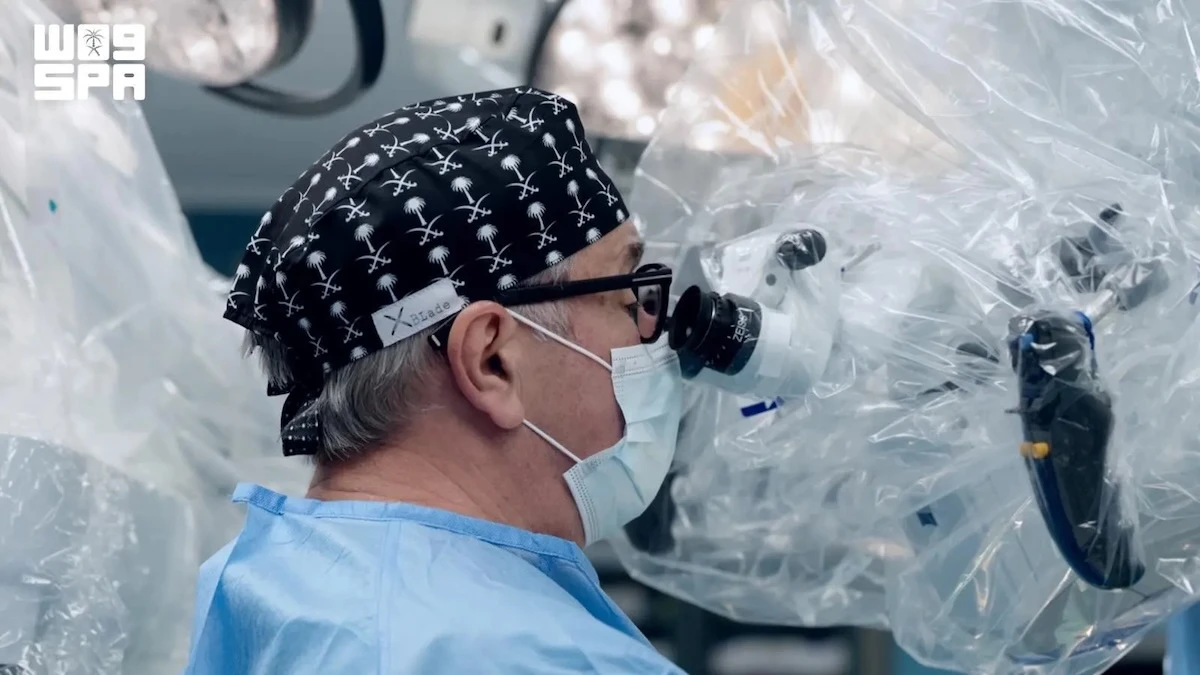
Saudi Arabia made impressive progress in diversifying its economy in spite of historically high oil prices and state budgets repeatedly prioritized social infrastructure — above all education and health care — are central spending priorities and critical for ensuring the long-term prosperity and productivity of the economy.
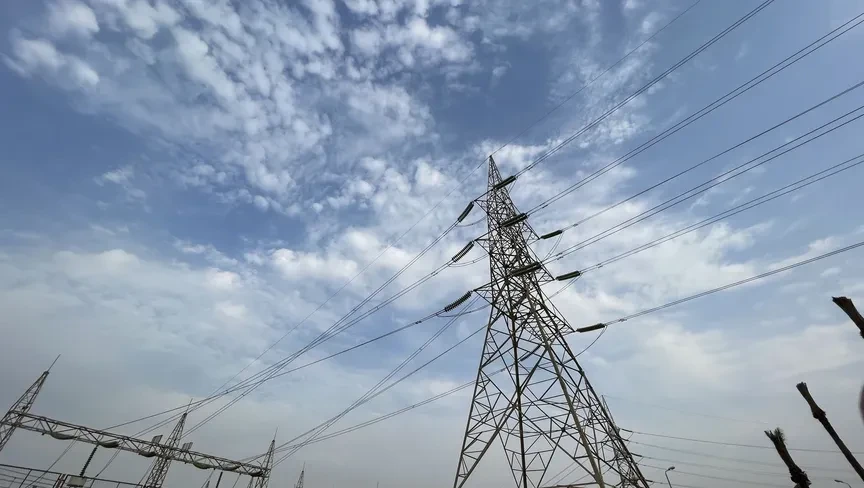
Saudi Arabia drove forward the ambitious process of GCC integration through initiatives ranging from a customs union to a unified power grid and a regional railway. Saudi Arabia also enhanced its pivotal role in the broader Middle East by supporting its neighbors at a time of transition. The Kingdom’s growing economic weight and integration in the global community was formalized through its inclusion in G20.
The economic boom witnessed during the nearly decade long rule of King Abdullah was unprecedented and it continues to provide robust growth, further strengthening the Kingdom’s increasing stature among the comity of nations.
Within a short span of time, King Abdullah led the nation to become one of the major global economic powers with a membership in G20 and other blocs. According to the report of the International Monetary Fund in 2013, the Kingdom ranked 10th among the G20 countries in terms of per capita GDP and is expected to rank ninth in the coming five years.
The king was always keen to achieve a balanced development of all regions so that the benefits of prosperity reach all sections of society.
Since ascending the throne in August 2005, King Abdullah made development a central focus of his reign. He initiated a range of major economic, social, education, health, and infrastructure projects that have brought about remarkable changes throughout the Kingdom.
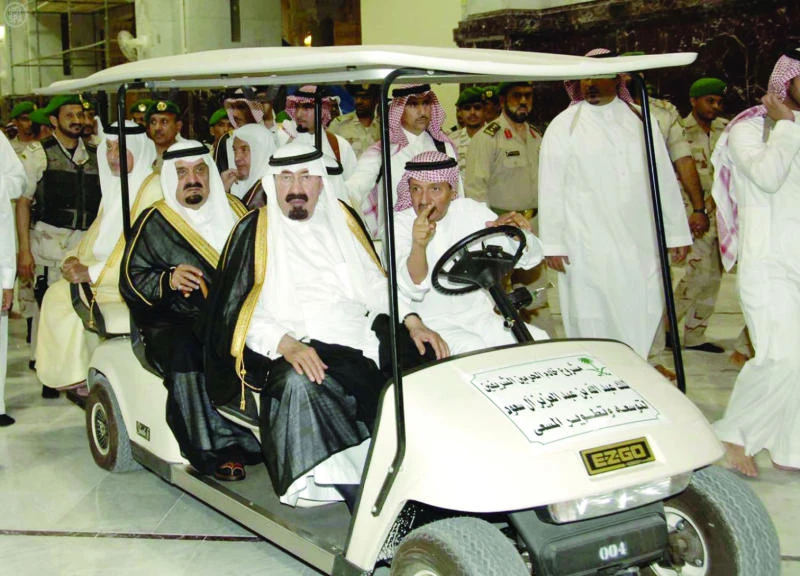
King Abdullah’s notable achievements in this area included the launch of four mega economic cities, the creation of the King Abdullah University of Science and Technology and the Princess Nourah bint Abdulrahman University for Girls, projects to expand the two holy mosques and major welfare projects.
A strong advocate of constructive global cooperation, King Abdullah held a number of important international summits and meetings in the Kingdom. In June 2008, he hosted the Jeddah Energy Summit to discuss ways of stabilizing global oil markets. Other major international meetings include the Third OPEC Summit of Heads of State, the 19th Arab League Summit in 2007 and the 27th summit of the GCC Supreme Council in 2006.
King Abdullah, who ascended the throne nearly 10 years ago, played a remarkable role in taking the Kingdom into the elite club of world nations. He was instrumental in enabling the Kingdom to record marvelous and magnificent achievements in all walks of life. His statesmanship, farsightedness and dynamic leadership qualities have earned him global respect, thus becoming one of the world’s most influential leaders.
Thanks to his visionary leadership, he gave top priority to meet the housing requirements of citizens with an allocation of SR250 billion to construct 500,000 new housing units in different parts of the Kingdom, in addition to raising the capital of Real Estate Development Fund.
He was also instrumental in setting SR3,000 as minimum wage for Saudis and SR2,000 monthly unemployment allowance for Saudis.
Saudi Arabia is witnessing remarkable achievements in the transport and communications sectors because of King Abdullah’s initiatives. The most important among them is the public transport system, especially the railway projects. The government has awarded contracts worth $22.5 billion to three consortiums to carry out designing and construction works of Riyadh Metro network. The gigantic project is expected to be completed within five years.
Similar is the case with the public transport system in the major cities, including Makkah, Madinah, Riyadh and Jeddah. Works of the Haramain Rail, which connect Makkah and Madinah via Jeddah, are progressing well and the ambitious project is due to complete by the end of 2015. The Landbridge project is one of the biggest in the region with an estimated investment of $7 billion and involves construction of 950 km of new rail road between Riyadh and Jeddah and another 115 km track between Dammam and Jubail.
King Abdullah was acutely aware of the future challenges and opportunities facing the Kingdom and further consolidated the country’s commitment to strategic planning and technocratic policy making. Impressive regulatory reforms were undertaken to modernize the country’s financial sector and markets, to develop education and research, and to espouse high, forward-looking ambitions in areas ranging from renewable energy to petrochemicals development.
KSA economy blossomed under King Abdullah