Saudi Arabia’s latest move to cut soaring energy costs came in a deal signed recently with 78 vehicle manufacturers to introduce more fuel-efficient small cars in the Kingdom.
The regulations define the fuel economy standard for all light duty vehicles, new vehicles and used import vehicles, coming into the Kingdom. This standard covers the period from July 1, 2015 until June 31, 2020.
Local energy consumption currently exceeds five million barrels of oil per day and is expected to increase in the coming period to unprecedented levels. Observers and economists say this rise is threatening the country’s oil exports in the long term.
They argue that subsidies for fuel and electricity have created a situation where citizens and expatriates do not recognize the importance of conserving these limited natural resources.
Prince Abdulaziz bin Salman, assistant minister of petroleum and mineral resources and president of the Saudi Energy Efficiency Program, said recently the deal with motor manufacturers is a serious step toward reducing domestic consumption.
The transport sector is responsible for about 23 percent of the total energy consumption in the Kingdom. Small vehicles account for 82 percent of fleets in the country, which consist of 12 million vehicles, and consume about 811,000 barrels of gasoline and diesel per day. The Saudi Standards, Metrology, and Quality Organization said the signing of the agreements would help reduce consumption in the road transport sector by 25,025 barrels.
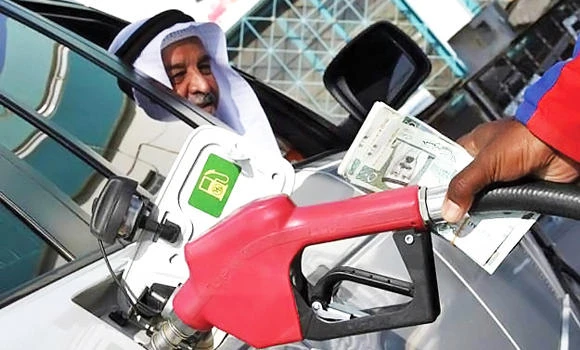
Economic analyst Fadel Albuainain said Saudi citizens need to be educated about energy use. He said people living in Western countries calculate fuel expenses when they travel, whether in private cars, trains, taxis or buses, and select the least expensive option. In contrast, he said Saudis see no reason to change their behavior because they can fill their cars with only SR20.
Albuainain said only a rise in fuel prices in the country would see citizens become more aware of costs and reduce their use of cars. Such a step would also contribute to reducing road traffic, especially with Saudi Arabia having one of the world’s fastest growing populations.
Economist Salim Bajajah welcomed the efforts of the government to reduce consumption in the country, which now includes standards for air-conditioners.
KSA energy cost cutting eyes car fuel efficiency