Although many people see Saudi Arabia as a country with an extreme arid climate, it will celebrate World Wetlands Day on Saturday.
The Saudi Wildlife Authority (SWA) has prepared a series of events aimed at raising environmental awareness and to inform the general public about the importance of preserving biodiversity.
Saudi Arabia may consist largely of dry, desert land, but it has 38 big and small natural wetlands and 13 man-made wetlands. Most of these are seen along the coastal regions of the Red Sea and the Arabian Gulf.
World Wetlands Day marks the date of the adoption of the Convention on Wetlands on Feb. 2, 1971, in the Iranian city of Ramsar.
The theme for this year’s World Wetlands Day is “Wetlands take care of water”, reflecting the interdependence between water and wetlands and the key role wetlands play.
SWA President Prince Bandar bin Saud said the SWA had carried out field studies in different parts of the Kingdom covering some 22 wetlands and laid down a plan to preserve each of the locations.
Wadi Rabigh Springs is an example of a natural wetland area. The small lake is located north of Jeddah, on the Tihama plains, where it is sustained by several permanent freshwater springs. It has a large community of waterbirds.
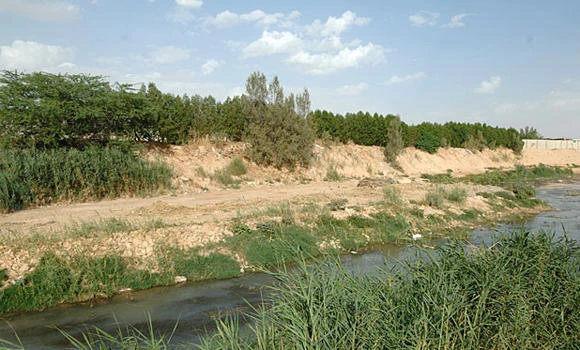
Man-made Wadi Hanifa, near Riyadh, was previously part of a large sewage treatment facility. Its overflowing water made a green corridor of nearly 100 km long. Ar-Riyadh Development Authority decided to preserve the newly formed wetland area by building dams to regulate the water flow.
The completed project won the 2010 Aga Khan Award for Architecture and it became a popular destination for visitors to go fishing and picnicking, and a hub for migratory birds.
Tarut Bay, between the cities of Qatif and Dammam, is the most important bay on the Gulf coast of Saudi Arabia for wintering and passage shorebirds. Additionally, the bay is the largest shrimp nursery in the country.
The extensive sand and mud flats receive nutrients from Qatif oasis, which feed the mangroves, sea-grasses and salt marshes. The rich waters also support an important shrimp and fishing industry, all of which attracts many birds to the area.
KSA to preserve wetlands