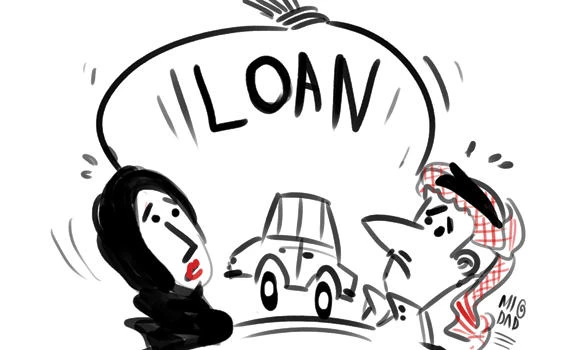
RIYADH: A significant number of Saudi families take out loans to fund vacations or to buy luxury cars without taking into account the burdens they expose themselves to.
Economists have repeatedly criticized the spending culture in the Kingdom as only 10 percent of youth engage in saving patterns. A large percentage of them have no awareness of their true spending patterns.
Several studies have ranked Saudis as the lowest savers in the Gulf. While 26 percent of the Gulf population saves regularly, 89 percent of Saudi citizens borrow despite becoming more aware of the economic and financial burdens and losses that such borrowing and spending habits cause.
In 2014 alone, 3.5 million Saudis took out loans amounting to a total of SR400 billion.
“The absence of a saving culture has caused many economic difficulties, and this is due to the lack of awareness of how one should consume,” says Osama Saleh Al-Shamri, member of the Human Resources Development Fund.
“Every now and then, people have their cars seized because they are unable to pay back their loans,” he explained. “You’ll find that these individuals take out loans to purchase vehicles beyond their income level. The burden could be avoided if they purchased a vehicle commensurate with their financial power.”
Al-Shamri said such mismanagement of funds and improper and extravagant spending habits have caused many problems for families, leading to the deterioration of their financial and social situation. He said successful families are those that budget and plan their finances.
Social worker Meshaal Al-Qurashi said individuals do it to feel a sense of belonging and quality with others. “Individuals succumb to peer pressure in order to keep up with appearances, be it clothing, housing or food, and thus, they spend more than they save.”
Human resources development manager Asia Ibrahim Dawood Mayet said the family plays an important role in promoting a culture of extravagance, and “because we are a society that does well financially, we often pamper our children and provide them with whatever they ask for.”
She added that advertisements, offers, and commercials also play a role in transforming families and individuals into spenders, regardless of income levels.
She said schools are also not prepared to teach children how to rationalize spending as the children have grown to desire products, from electronics to games and other goods.
“We must teach our children the meaning of budgeting and guide them to become rational consumers from an early age, but first we ourselves must start the process of saving in order to be a good example for them.”
Loans to fund vacations give Saudis blues