- Travel times to the Grand Mosque and Jamarat facility could be reduced by up to 90%, benefiting both operators and pilgrims
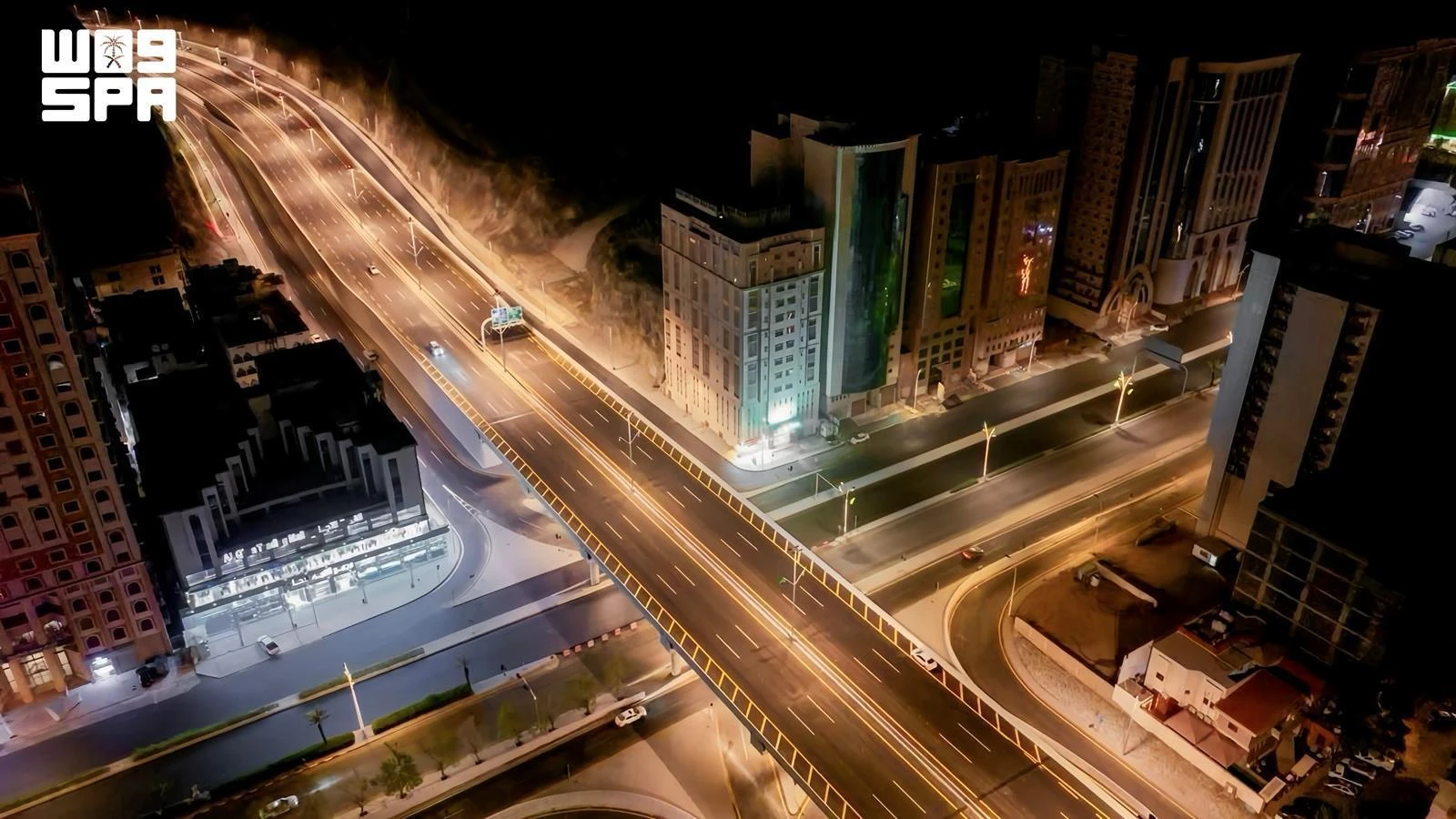
JEDDAH: The opening of an extended section of Makkah’s Third Ring Road is expected to improve transport services across the holy city, helping operators move pilgrims more efficiently between Jeddah, hotels and the Grand Mosque.
The Royal Commission for Makkah City and Holy Sites announced that the new section, part of one of four ring roads encircling Makkah, could reduce travel times to the Grand Mosque and the Jamarat facility in Mina by up to 90 percent.
The impact is already reflected in shorter routes for motorists. The distance from Prince Mutib intersection to the Grand Mosque has dropped from 16.5 km to 6.5 km, while the journey to the Jamarat facility has been reduced from 12 km to 4 km. Project indicators also point to improved traffic flow during peak periods and busy seasons.
Ali Abdul Lateef, manager of Mawakeb Al-Khair for Transportation, told Arab News the shorter routes would save time for operators and pilgrims while creating opportunities for businesses to expand.
“Pilgrims travelling within the city usually spend hours on buses. This facility will help them reach their destinations more quickly, while additional transport routes will help businesses grow,” he said.
Sayed Al-Mohammed of Al-Fateh Transport Co. said congestion affected the company’s daily operations, particularly on journeys between Jeddah airport, Makkah hotels and the Grand Mosque.
“We operate 235 buses every day between Jeddah and Makkah and spend considerable time at Jeddah airport and navigating traffic within the city to reach hotels,” he said.
“Road closures and congestion around prayer times also make it difficult to drop passengers close to the Grand Mosque, with many having to get off before reaching their destination. The new ring road could reduce waiting times and allow us to make more pick-up and drop-off trips,” he added.
For taxi drivers, improved access could translate into more daily journeys and increase their earnings. Junaid Tariq, who works in Makkah, said the extension would help drivers complete more trips and serve a greater number of passengers.
“With the growing number of visitors and frequent road closures before prayer times, getting around the city has become challenging,” he said, adding: “Previously, we could serve around 30 to 40 passengers, but the improved road access gives us the opportunity to increase that number and earn more.”
The road, which can accommodate up to 170,000 vehicles daily in both directions, is part of wider efforts to improve Makkah’s transport infrastructure and accommodate growing visitor numbers, particularly during the Hajj and Umrah seasons.