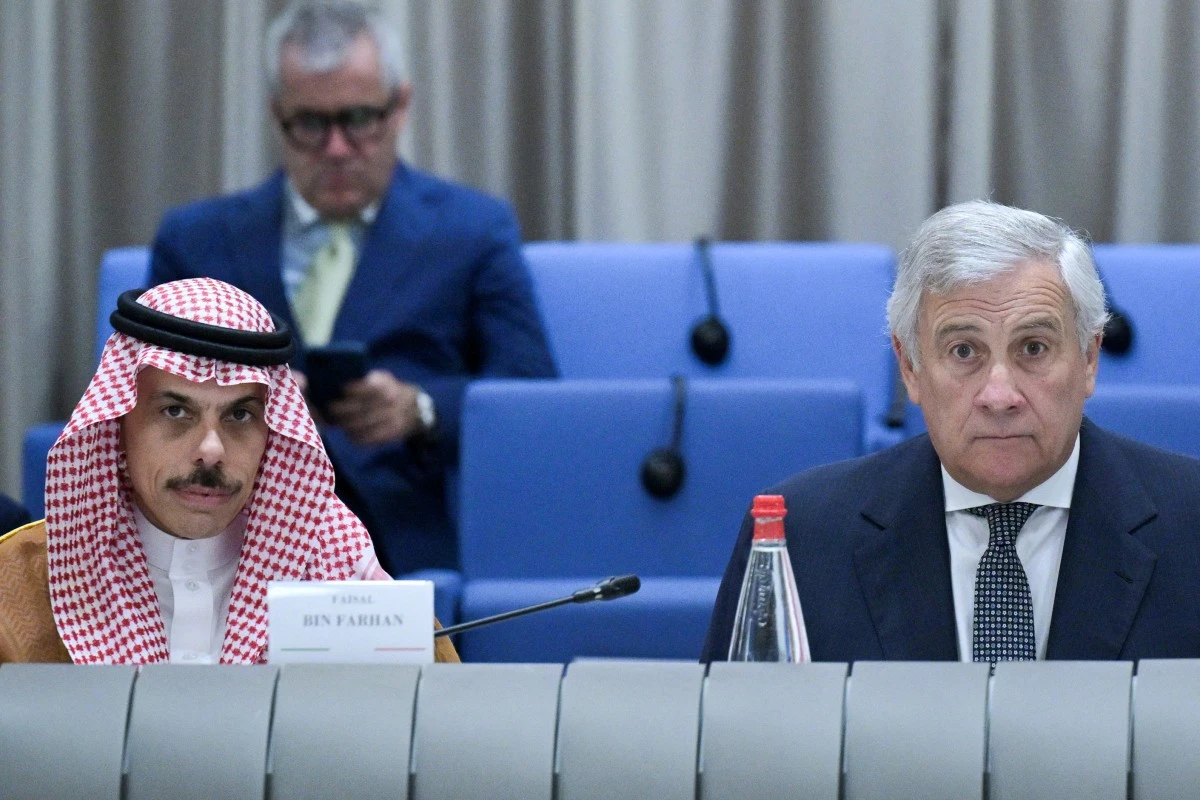
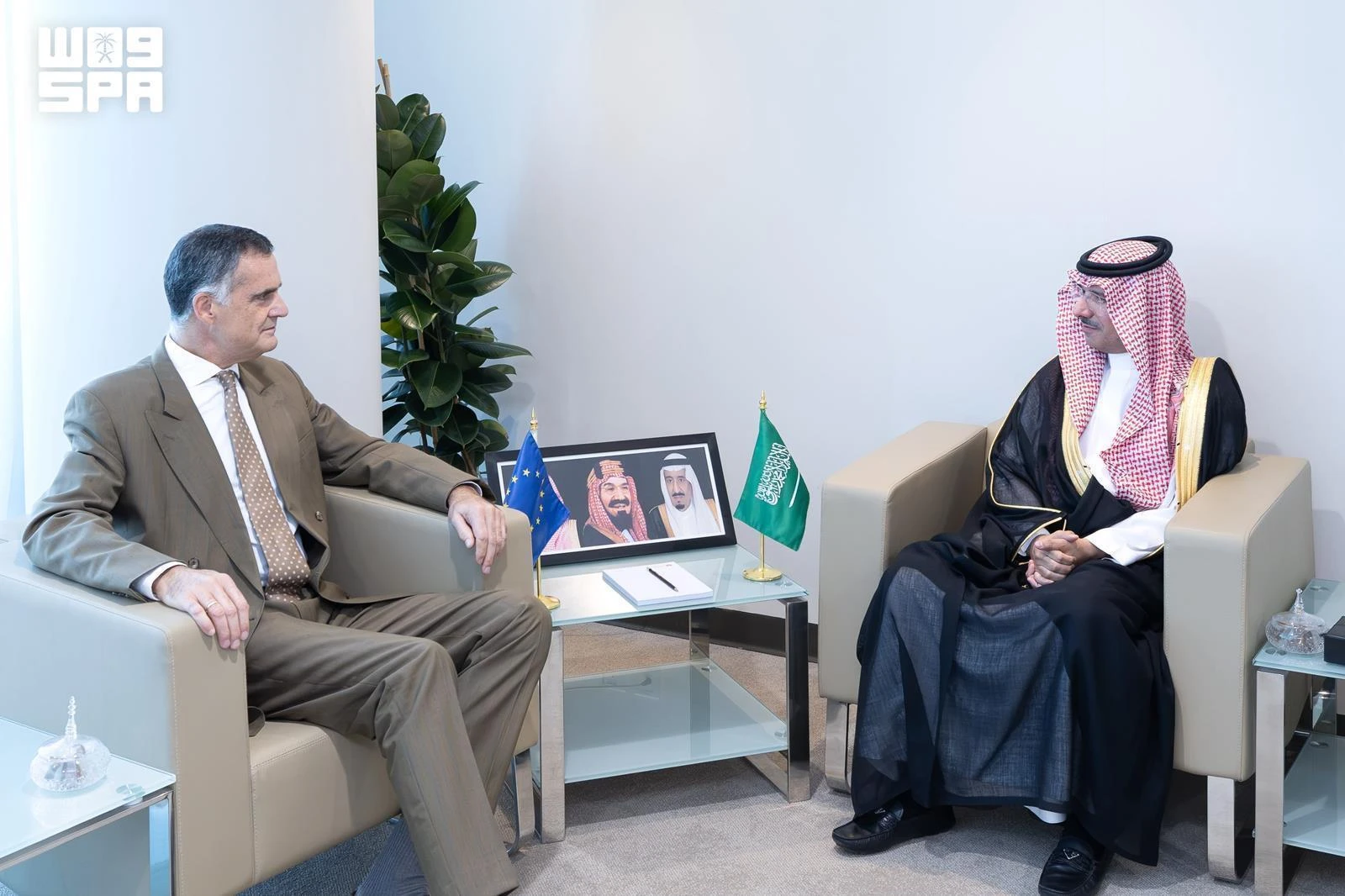
Malaysian Prime Minister Najib Razak arrived in Madinah on Saturday at the start of a four-day visit during which he will hold talks with Custodian of the Two Holy Mosques King Abdullah, Crown Prince Salman and other top officials.
Malaysia’s Charge d’Affaires in Riyadh Alauddin Mohammed Nor said the premier’s visit would strengthen the 50-year relations between the two countries, taking them to new heights. Najib’s wife, Rosmah Mansor, and top officials are accompanying him.
The prime minister is scheduled to visit several historical places on Sunday, including the Quba Mosque and Qiblatain Mosque, before leaving for Makkah to perform Umrah. “Najib is expected to have an audience with King Abdullah on Monday,” said Nor.
“The Saudi government has been impressed by Najib’s leadership and his pragmatic policies as well as his efforts to promote world peace,” Nor told a press conference in Madinah.
Malaysia’s information and technology and engineering expertise in helping the construction of mega infrastructure projects worth billions of riyals in Saudi Arabia was also recognized, Nor said.
Joint investments in Saudi Arabia were estimated at SR2 billion in 2012, with Malaysia contributing 40 percent of the amount.
Nine main Malaysian investors, including MMC Corporation Bhd, Felda Global Ventures Sdn Bhd, Tenaga Nasional Berhad and Khazanah Holdings, are involved in several mega projects in the Kingdom.
Malaysian Consul-General in Jeddah Mohd Khalid Abdul Razak said the prime minister’s visit was also expected to promote Malaysia to Saudi tourists and students.
“Malaysia has set a target to attract 110,000 tourists in 2014 from Saudi Arabia, who are expected to spend on average SR10,000 a week,” Razak said.
In the first nine months of 2013, about 80,000 Saudi tourists visited Malaysia, while 102,000 did so in the previous year. He said efforts to promote “Malaysia — My Second Home” program would be intensified to attract more participants from Saudi Arabia. Similar efforts would also be made to encourage more Saudi students, especially women, to pursue their education in Malaysia, he said.
Arab News