Several Saudi writers and intellectuals have called on the Ministry of Islamic Affairs, Endowments, Call and Guidance to monitor its summer camps held to propagate religious teachings, to root out extremists advocating subversive ideologies.
They say the dawa camps are organized under the banner of the ministry but there is poor control over the organizers and those involved in their daily affairs.
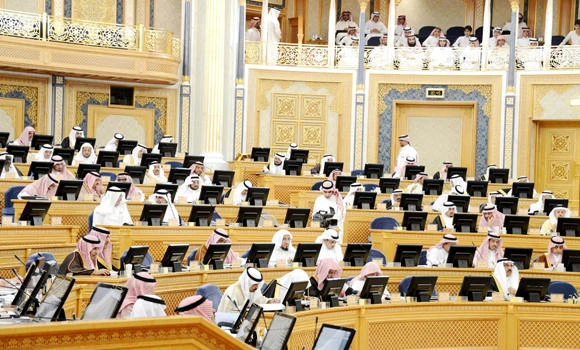
Isa Al-Ghaith, a member of the Shoura Council, told Arab News recently that the ministry must do background checks to see whether the managers belong to “extremist or sectarian groups, or are just people with a conventional outlook.”
Al-Ghaith warned that dawa camps are mostly run by members of the Muslim Brotherhood or Al-Sururi groups, who lure young people into their organizations. They also operate at schools, Islamic awareness societies, universities, scouts organizations, and Qur’an memorization programs, he said.
He called on the ministry to ensure that the managers of these camps abide by the goals laid down by it. He said the members of the Muslim Brotherhood and Al-Sururi groups do not allow non-members to conduct classes.
“Government departments and community organizations should supervise these camps and take a firm stand against such clandestine activities. They should be vigilant because of the secret agendas of these organizations and the recruitment activities that have been going on for decades,” he said.
However, Al-Ghaith said he was confident that the new minister Sulaiman Abalkhail, who was appointed earlier this month, would succeed in flushing out the extremist elements from the ministry’s offices and branches just as he did at Imam University.
Mujahid Al-Mutali, a writer, said the Islamic Affairs ministry should collaborate with the international scouts organization in certain areas. It should also prepare to work with the Saudi Scouts Association to promote patriotism, instead of preaching about extremist political ideologies.
Al-Mutali said it was a misnomer to call these gatherings dawa camps in a country where the population is 100 percent Muslim.
Talal Al-Dahi of the King Saud University said an investigation should be launched to discover why the dawa camps were allowed to operate without proper monitoring. He said it was also not clear whether those running these camps have qualifications to do so.
“In fact we are up against a terrorist phenomenon at those camps. We should find out why such things are allowed to happen, and why some of our youth are attracted to these extremist ideologies.”
“We should identify those responsible for getting our youths involved in terror activities because many of them feature on terror lists inside and outside the Kingdom. Dozens of them have gone to other countries. Who takes them there? These things have not been happening in a void. We must know what happened to them and who misled them,” Al-Dahi said.
Mansour Al-Askar, a social science professor at Imam Muhammad bin Saud University, suggested developing the youth camps into places for self-development so that participants take up professional and voluntary services.
“Some individuals, not the ministry, were responsible for the undesirable things that have happened at these camps. Fully aware of its social and religious role, the ministry used to offer religious and cultural services in the best possible manner. The camps have the potential to have a positive impact on society and present a shining image of Islam if planned well,” Al-Askar said.
Monitoring of Islamic youth camps urged