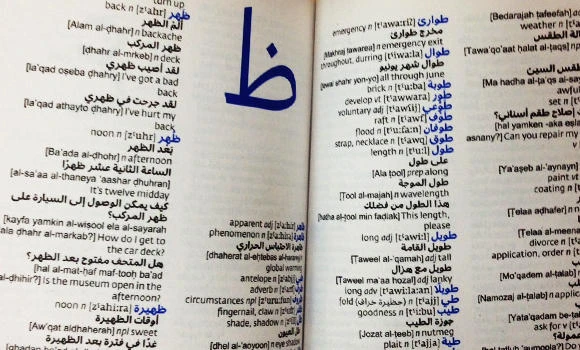
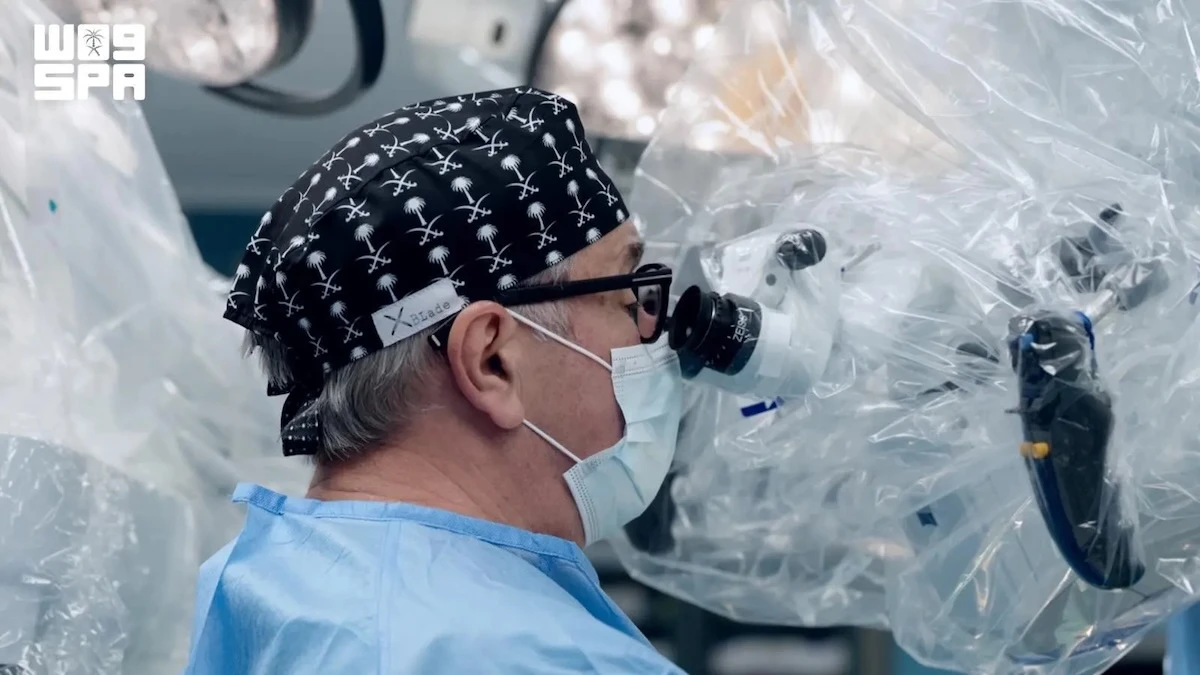
Saudi organizations and academics welcomed the decision of the Arabization Center for Medical Sciences (ACMLS) to use Arabic at the country’s medical teaching facilities.
The move is part of the Arab world’s interest to use Arabic instead of a foreign language as the medium of instruction in their colleges.
King Abdullah International Center for the Arabic Language (KAICAL) said this decision will play a great role in empowering the language in Arab-speaking countries.
According to Yaqoub Al-Sharrah, ACMLS assistant secretary-general, his organization issued 245 medical books in Arabic, including basic textbooks in medicine, health atlases and dictionaries.
Even though the number of Arabic books published by the organization is very modest as of now, the center seeks to translate and release a greater number of medical manuals and textbooks. It has already translated 320 books related to various branches of medical sciences as well as 70 books on health education, while 20 other books related to the same issues are currently under way.
Al-Sharrah said that as many as 64,500 medical terms have been translated into Arabic as part of the Medical Dictionary project. ACMLS is also coordinating with various medical schools in the Arab world.
“This will help medical students and professors in the Arab world. The World Health Organization agreed on 150,000 medical terms within the standardizing terminology move,” he noted.
“A majority of Arabic colleges of medicine use foreign languages as the medium of instruction and only a few medical schools in Sudan, Syria and Algeria teach in Arabic,” said Al-Sharrah.
“According to statistics compiled in 2000, there are 78 medical universities in the Arab world teaching medicine in English, and six colleges in French,” he added.
Move to teach medical sciences in Arabic hailed