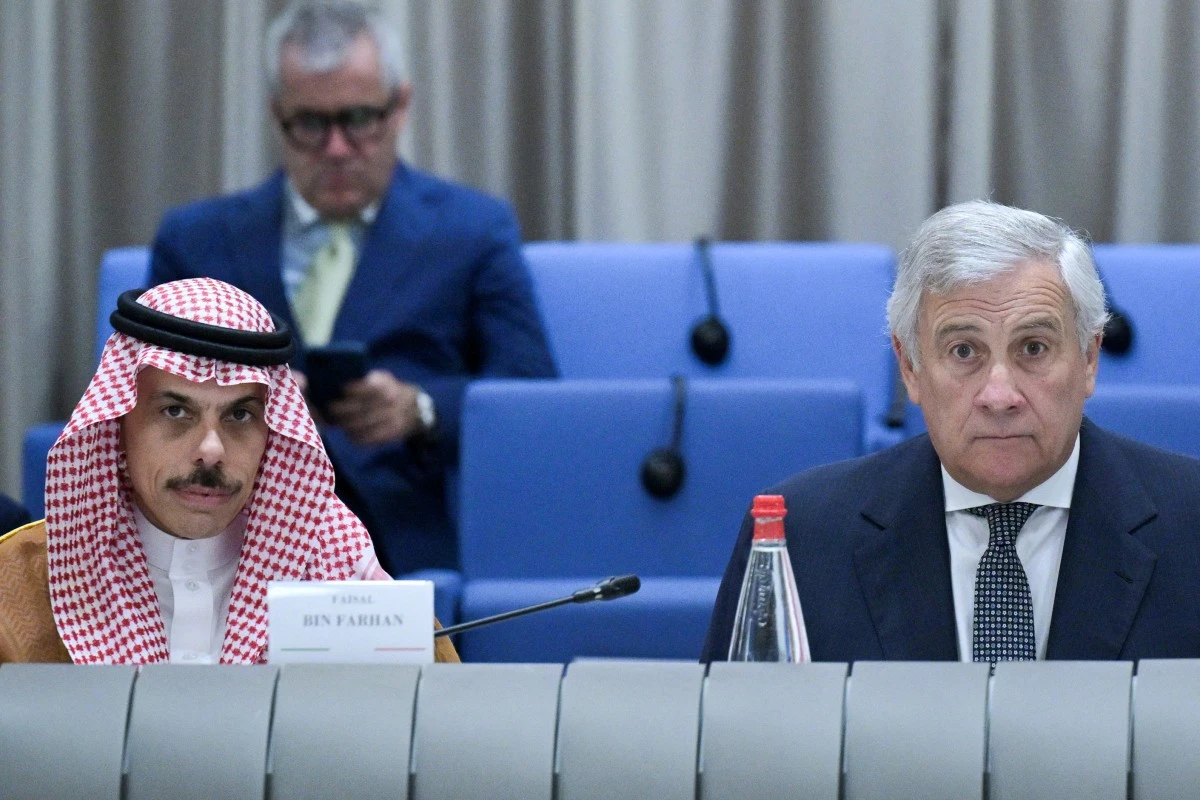
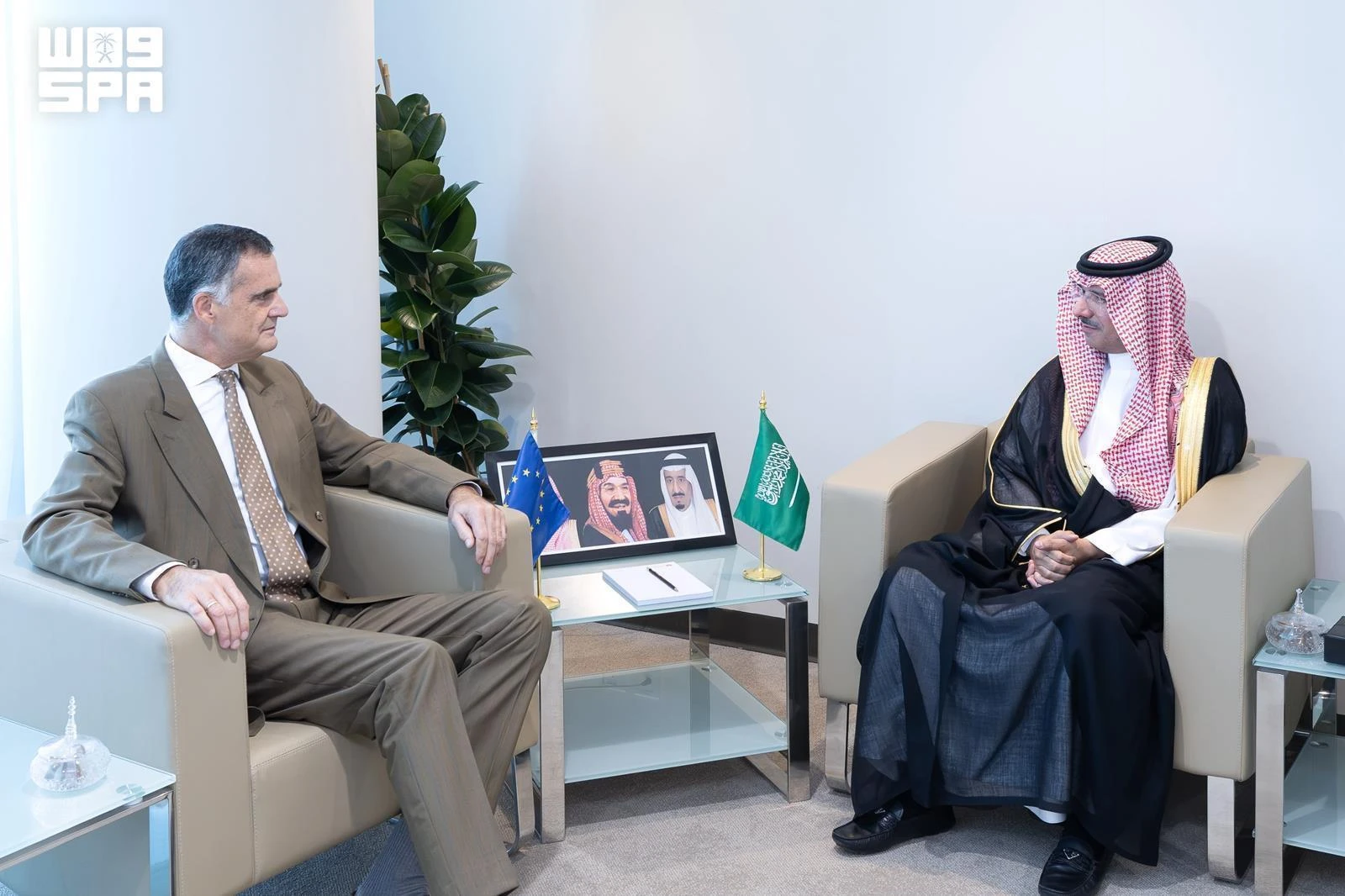
The Pakistan government's foreign and national security adviser has called for collective action by Muslims around the world to ensure stability and prosperity in their troubled regions.
Sartaj Aziz, adviser to Pakistan Prime Minister Nawaz Sharif, made the call in Jeddah during the 41st Session of the Council of Foreign Ministers (CFM) meeting of the Organization of Islamic Conference (OIC) on Wednesday.
In his address, he said these challenges, including political and social turmoil, extremism and intolerance, were adversely affecting the social, cultural, economic and political life of Muslims around the globe.
“Unless we address these challenges collectively, we will not be able to move towards prosperity and stability,” Aziz said, noting that internal turmoil was as disruptive as foreign interference in a country.
The well-known economist and statesman also outlined Pakistan’s position on several regional issues.
“Pakistan has always been committed to promoting peace and reconciliation in Afghanistan through an Afghan-owned process. A peaceful Afghanistan will ensure a peaceful future for the entire South Asian region,” Aziz told the gathering of ministers.
Aziz updated the ministers on Pakistan’s domestic efforts against extremist groups. “Pakistan condemns terrorism in all its forms and manifestations,” he said. “We are also playing a central role in rooting out this evil. As we speak, brave Pakistani soldiers are fighting to eliminate militants and extremists in North Waziristan, to make it safe for our people.”
Aziz commended the OIC for its efforts to resolve Pakistan’s longstanding dispute with India over Kashmir.
“The OIC Contact Group on Jammu and Kashmir has been playing a key role in raising awareness among member states on the deteriorating situation in Indian Occupied Kashmir,” he said. “The work of the group is a source of strength for the people of Jammu and Kashmir.”
He said Pakistan is committed to finding a just and peaceful resolution to the issue based on the United Nations Security Council resolutions and in accordance with the wishes and aspirations of the Kashmiri people. "We will continue to extend political, diplomatic and moral support to the people of Kashmir," he said.
He said Pakistan is convinced that the key to enduring peace, prosperity and security in South Asia, lies in resolving the Kashmir issue.
"As a new government has assumed power in India, Pakistan looks forward to opening a new chapter in its bilateral relations based on mutual trust and cooperation," said Aziz. "This would entail a fresh and constructive approach towards resolving all our outstanding issues, including the Kashmir dispute."
He said it was with these sentiments that Sharif took the decision to accept Prime Minister Narendra Modi’s invitation to visit India on May 26. "The prime minister undertook this visit with a clear vision in mind – a common agenda of development and economic revival, for which peace and stability in the region is a prerequisite," he said. "The two prime ministers held a constructive and productive meeting."
He said Sharif had stressed to his Indian counterpart that together they could rid the region of its decades-long instability and insecurity. "Consequently, it is important for both countries to work together for peace, progress and prosperity. Both prime ministers were of the view that confrontation should be converted into meaningful cooperation."
"Pakistan, therefore, stands ready to discuss all issues between our two countries, in a spirit of cooperation and sincerity, including the issues of Jammu and Kashmir."
Arab News