
- Al-Issa warned against the dangers of polarization, incitement, and violence that often stem from distorted religious discourse
- The ‘Building Bridges of Understanding and Cooperation Between East and West’ initiative aims to bridge divisions and was discussed at a recent conference at UN headquarters
SALT LAKE CITY: Muslim World League Secretary-General Mohammed bin Abdulkarim Al-Issa has called for greater contributions from religious leaders to global peace and social cohesion, warning against polarization, incitement and violence.
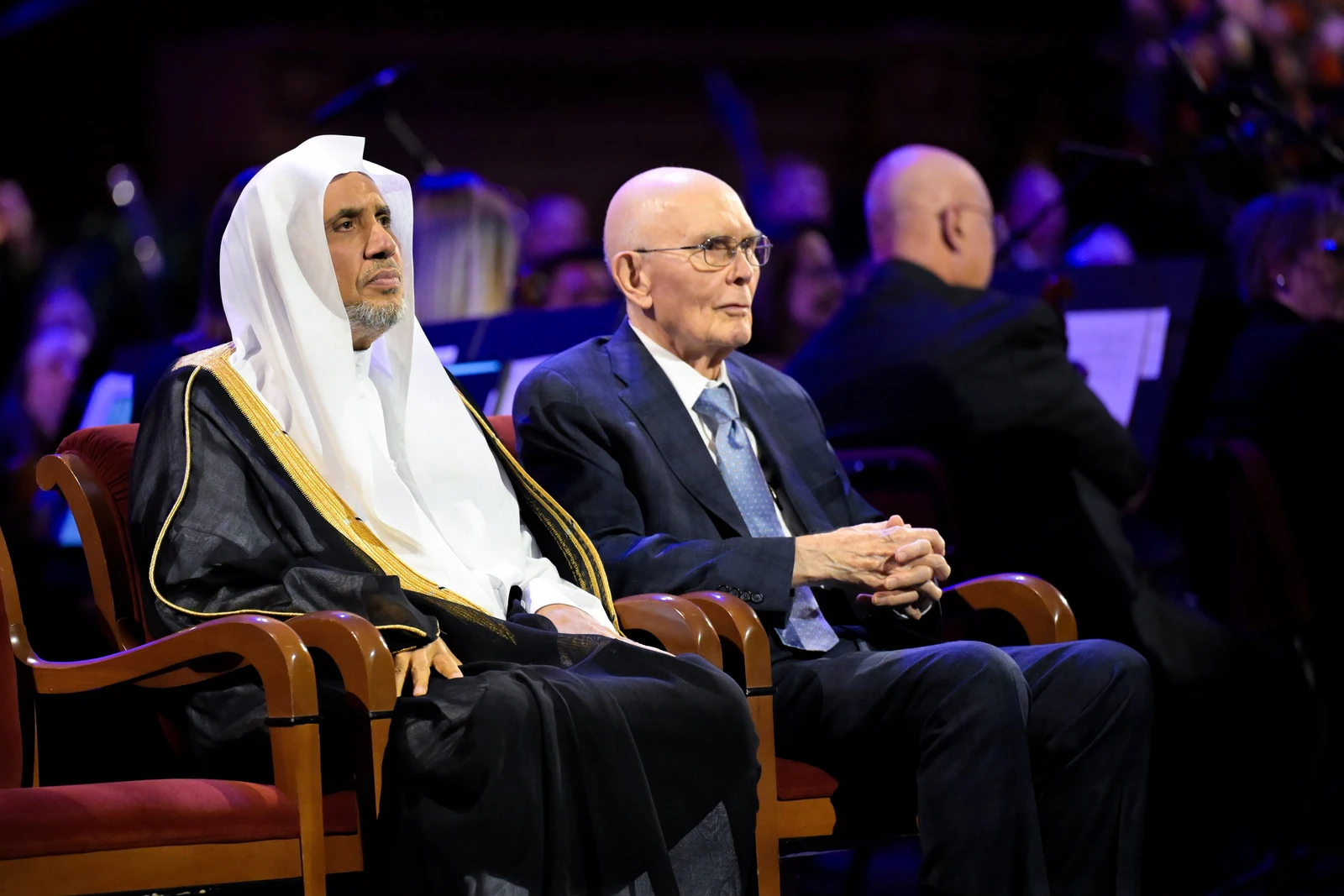
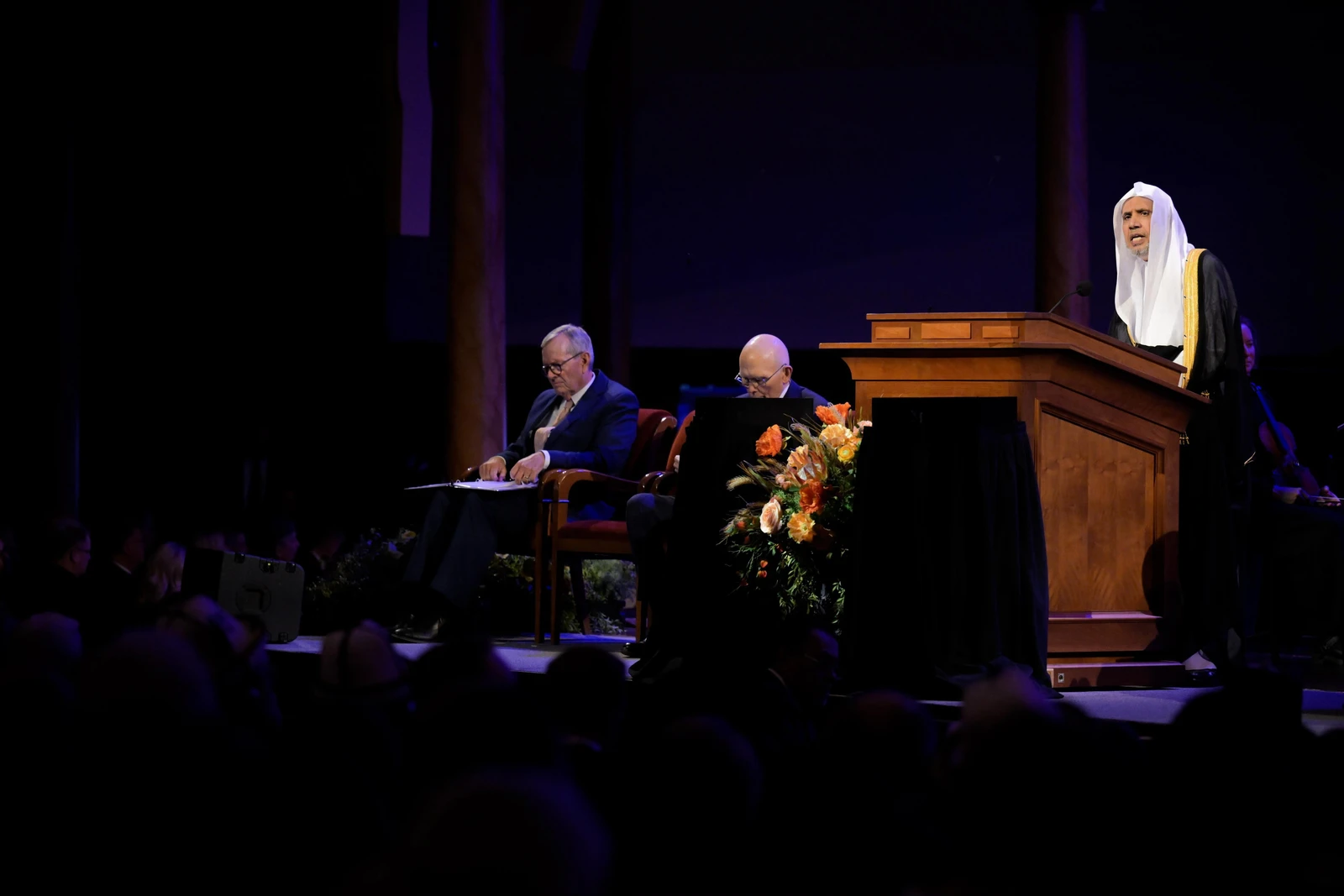
Al-Issa, who also heads the Association of Muslim Scholars, delivered the keynote address as guest of honor at this year’s G20 Religion Forum in Utah, held to coincide with the G20 Summit in the US.
The forum brought together religious leaders and their representatives to discuss the role of faith in addressing global challenges.
Al-Issa said religious leaders bore a particular responsibility as polarization, incitement and violence often draw on distorted religious discourse.
He highlighted the MWL’s efforts to bridge divisions between nations and peoples, including its “Building Bridges of Understanding and Cooperation Between East and West” initiative.
The initiative’s conference was held at the UN headquarters in New York in 2023, bringing together UN leaders and figures from religious, intellectual and research communities.
Al-Issa said work was continuing to implement the conference’s outcomes, which seek to support international efforts to strengthen peace and cooperation, while addressing shared challenges and threats.
He said these efforts were grounded in common human values reflected in the UN Charter, adopted on June 26, 1945, and in subsequent international agreements, treaties, declarations and resolutions.
Al-Issa also outlined humanitarian initiatives carried out by the MWL in cooperation with international organizations.
He highlighted the World Economic Forum’s decision to host a dialogue session on the role of religion in addressing international issues for the first time in its history, saying it reflected recognition of the importance of active religious diplomacy.