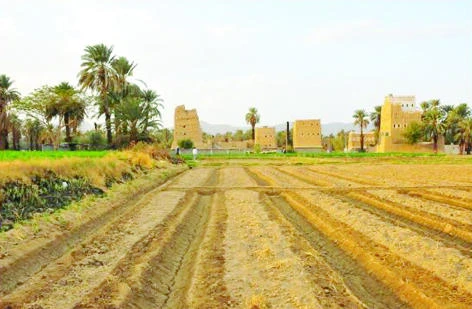
RIYADH: Najran region has retained its veritable unique cultural heritage and attractions, which include old mud buildings constructed some 300 years ago.
While the laid-back ambience in many areas is gone due to modern life brought about by contemporary times, especially in the city, the mud buildings have remained intact.
Saleh bin Mohammed Al-Sadran explained that Najran region is characterized by the mud buildings that represent the Najrani society, values and traditions.
The mud buildings are noticeable from Wadi Najran and nearby villages to the Brongaha with white edges, which now stand alongside modern buildings.
Famous among the mud buildings is the Palace Saadan or Aan Palace which was built on a stone foundation. About 200 years old, it consists of four floors based on the old Najrani construction model, in addition to the Al-Manjon Heritage Village, about 260 years old, and includes seven buildings surrounded by a large wall.
Faris bin Miah, a Najran official and an engineer, said the Najran secretariat is seeking to cooperate with the government and private sector to preserve the region’s cultural heritage. Efforts in this regard have paid off, he added.
Prince Sultan bin Salman, president of the Saudi Commission for Tourism and Heritage (SCTH), and Prince Jalawi bin Abdulaziz, Najran region governor, have joined efforts to develop the region’s cultural attractions.
The Director General of the General Authority for Tourism and National Heritage in Najran has expressed his thanks and appreciation to the owners of the heritage buildings for their cooperation in promoting the region’s cultural heritage.
Najran heritage is intact despite growth