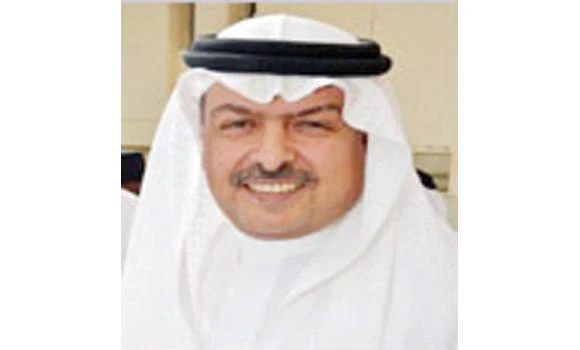
RIYADH: Health Minister Khaled Al-Falih has appointed a new head for the Haj Health Committee to boost its operations this year.
Al-Falih said he appointed Emad bin Ali Al-Jahdali, assistant deputy health minister for human capital planning and development, as chairman because of his experience in the field.
Al-Jahdali is the former chief executive officer of King Fahad Hospital in Jeddah. Earlier, he was an assistant professor of occupational and environmental medicine at Umm Al-Qura University. He was also head of the preventive medicine department at Saudi Aramco for 25 years.
Al-Jahdali is a holder of a postgraduate degree in Occupational Medicine from Edmonton in Canada in 1996, in addition to a medical degree from King Abdulaziz University in Jeddah. The committee comprises representatives of various Haj committees in Makkah and Madinah.
This year, the Haj committee will be making special arrangements to install more equipment to treat heatstroke patients. Special medical equipment will be brought to the holy cities and the number of fans will be increased. There are four hospitals in Arafat and four in Mina equipped to treat heat stroke patients.
In addition to the hospitals, there are 80 primary health care centers in Arafat, Mina and Muzdalifah ready to treat pilgrims. Recently, the ministry has upgraded these facilities. They will be ready for operations during the latter part of the Haj season.
The committee has already chalked out an integrated plan to cover all areas of health in places frequented by pilgrims. Health officials are deployed at 15 land, sea and air points to monitor Haj pilgrims.
The health officials at the ports of entry will ensure pilgrims have been vaccinated in their home countries. If they have not done so, they would be given doses on arrival.
This year, all health officials who serve the pilgrims will wear facemasks during their meeting with Hajis. The ministry recruits more than 22,000 people from various medical, technical, administrative categories for the Haj season every year. The officials include some 400 medics in rare medical disciplines including intensive care, nursing and emergency care.
The health officials will urge pilgrims to focus on personal hygiene, and hygienic cooking, storing, transporting and serving methods to avoid diarrhea, vomiting, food poisoning, dysentery, typhoid and cholera. Hands should be washed before eating. Disposal shaving kits should be used.
Wearing masks made of cloth during the performance of various Haj rituals will be useful to prevent respiratory infections such as colds, coughs, sore throats and pneumonia.
New head for health panel