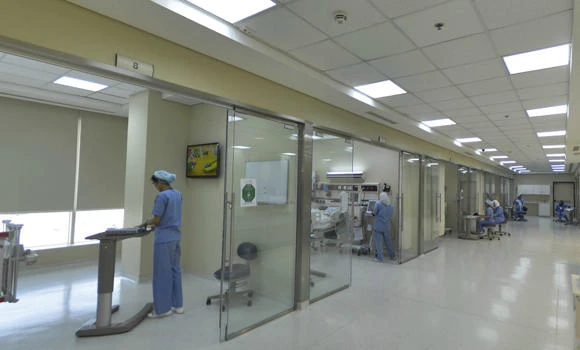
Nuclear imaging, an innovative and groundbreaking medical technology, may herald a new era in the diagnosis and treatment of diseases.
The cutting edge technology produces images by detecting radiation from different parts of the body to accurately diagnose tumors and diseases prior to treatment, in addition to disclosing the changes and progress of the disease in a way never done before in medical history.
Dr. Muneer Al-Mohammad, nuclear medicine specialist at Dr. Suleiman Al-Habib Specialized Hospital, said that nuclear imaging can detect more than 100 diseases, including tumors (oncology), cardiovascular diseases, respiratory diseases, bones and joints, urology and endocrinology, thyroid and liver diseases and inflammations.
With regards to therapeutic services, the nuclear medicine is used in the treatment of thyroid tumors, cancer, lymphatic cancer, endocrine tumors of the liver and others.
Tests provided by this specialization include nuclear imaging of the bones, checking bacteria using carbon, checking the function of the stomach and esophagus, examination of the kidneys using DMSA, the thyroid gland and parathyroid examination, and MIBG scan, among others.
Al-Mohammad also explained that nuclear imaging provides two accurate tests for neuroendocrine tumors, and WBC scan using a special radioactive material tagged to the white blood cells of the body.
He said the Octreotide Scan is a type of scintigraphy used to diagnose carcinoid and pancreatic neuroendocrine tumors using SPECT CT scan.
Al-Mohammad noted that the benefits of nuclear medicine lie in providing accurate diagnosis and early detection of many diseases that are difficult to diagnose through traditional tests and medical examinations.
He explained that the treatment involves giving the patient high calculated doses of radioactive materials different from those used in the diagnosis.
He pointed out that most tests of nuclear medicine do not require special preparation by patients such as fasting or anesthesia.
He confirmed that radioactive materials are special materials designed primarily for the diagnosis and treatment of different diseases and are perfectly safe if administered by qualified technical staff under standard safety procedures.
“There are international special regulations in place to protect patients, practitioners, workers and staff against radiations which are closely monitored by nuclear medicine sections. The radioactive materials stay in the body for a short time and are discharged via the urine, feces, sweat and breath in due course,” said Al-Mohammad.
Nuclear imaging marks new era in diagnosis