- Official says Saudi-backed projects are demonstrating how AI can expand access to cultural heritage while supporting conservation, ethical innovation
RIYADH: As artificial intelligence continues to reshape creative industries worldwide, Saudi Arabia is emerging as a key player in efforts to harness the technology for cultural preservation while ensuring human creativity remains at the center of the process, according to a UNESCO official.
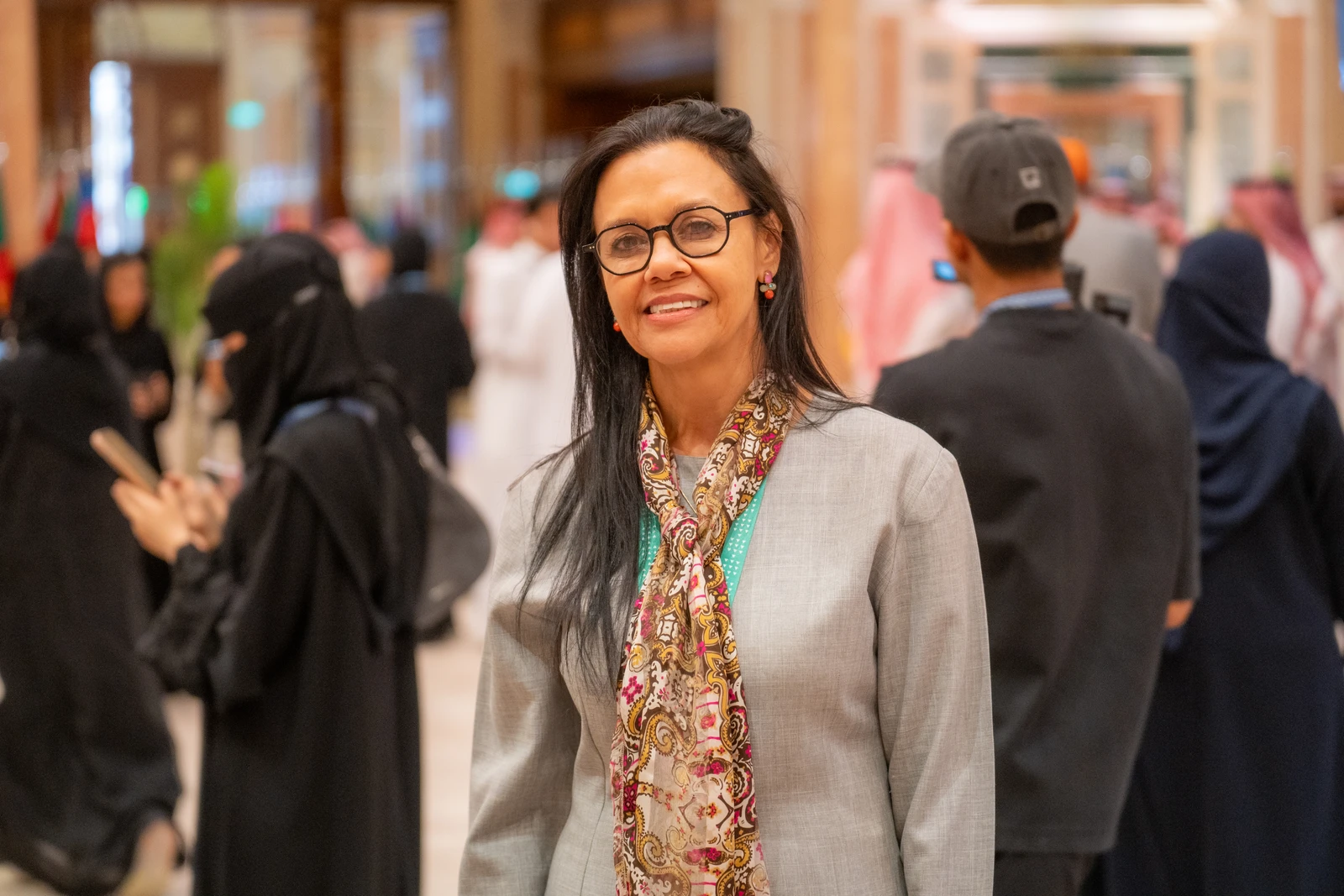
Speaking to Arab News on the sidelines of UNESCO’s Global Forum on the Ethics of Artificial Intelligence in Riyadh, Injee Kim, UNESCO program coordinator for culture, highlighted the importance of ensuring AI supports, rather than replaces, human creativity.
“Maintaining the human essence in the age of AI is actually the core of UNESCO’s work,” she said.
Kim highlighted UNESCO’s Recommendation on the Ethics of Artificial Intelligence as a framework for governments, institutions and creative sectors seeking to balance technological innovation with ethical considerations.
In the cultural and creative sectors, she said, AI should be viewed as a tool that enhances artistic expression rather than directs it.
“In the creative sector and for artists, (AI) should be an enabler to support their human creativity,” she added.
“It should be used as a tool, but not something that is leading the creative process.”
As Saudi Arabia expands its cultural and creative industries under Vision 2030, UNESCO has worked closely with the Ministry of Culture on initiatives that combine emerging technologies with heritage preservation and cultural access.
Kim highlighted the role of digital technologies in documenting heritage and creating immersive experiences that allow wider audiences to engage with cultural sites and artifacts.
Among the projects she cited was Dive into Heritage, a UNESCO platform funded by the Saudi Ministry of Culture that offers detailed three-dimensional representations of World Heritage sites.
“What this is, is a 3D representation of World Heritage Sites, and it includes World Heritage sites from Saudi Arabia as well,” she said.
The platform features sites such as Hegra in AlUla, allowing users to explore heritage locations through immersive digital experiences while supporting preservation efforts.
According to Kim, such initiatives demonstrate how technology can contribute to “documentation, conservation and also sustainable management of the sites.”
She also highlighted UNESCO’s Virtual Museum of Stolen Cultural Objects, another initiative supported by Saudi Arabia that uses artificial intelligence and digital technologies to reconstruct stolen artifacts and display them online.
“This one is basically digitizing the stolen objects from photos into 3D objects,” she said.
“You create space in the digital world to showcase that in the form of a museum.”
The project enables visitors to experience cultural objects that are inaccessible in the physical world, while raising awareness about the protection of cultural heritage.
For Kim, such initiatives illustrate how AI can be applied responsibly to expand access to culture and heritage while preserving their historical significance.
“Saudi Arabia was supporting this use of AI in (the) heritage context and leading those processes,” she said.
The UNESCO official said the Kingdom’s approach could serve as a model for other countries seeking to integrate advanced technologies into cultural and heritage sectors.
As governments, institutions and artists continue to navigate the opportunities and challenges presented by artificial intelligence, Kim said the guiding principle should remain clear.
Technology, she argued, should enhance human capabilities rather than replace them.
“Maintaining the human essence in the age of AI is actually the core of UNESCO’s work,” she said, highlighting that ethical considerations must remain central as AI becomes increasingly embedded in cultural and creative fields.