The Saudi Commission for Health Specialties (SCHS), the country’s regulatory medical body, has been playing a vital role in ensuring that the Kingdom has developed associations with qualified practitioners providing quality services to patients, a member of the body said here recently.
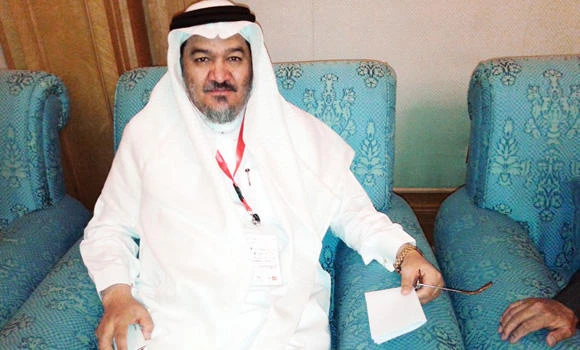
Tawfik A.M. Khoja, a board member of the SCHS’ scientific associations, said the bodies falling under the organization have been involved in health education and promoting and monitoring service quality improvements.
The SCHS is responsible for supervising and evaluating training programs, and setting controls and standards for health professions.
Khoja, who is also director general on the executive board of the Health Ministers’ Council for Gulf Cooperation Council States, made the comments in an interview on the sidelines of a forum in the Saudi capital recently.
He said the SCHS also works with the Ministry of Health, universities and other bodies with common objectives to achieve certain health goals. These are encapsulated in the UN Millennium Development Goals with its target date of 2015.
Khoja said these challenges include tackling poverty, education development, reproductive health and infectious diseases such as HIV and Aids. He said that these goals cannot be achieved without a strong civil society. Health associations are the backbone of civil society in implementing the UN Millennium Development Goals, he said.
Khoja said voluntary bodies should work with government agencies to ensure development in health. He said it was necessary for the country’s professionals to contribute their efforts and services to benefit the sector. It should be part of their “religious, social and human duty,” he said.
“Voluntary work is also necessary to achieve cooperation, increase communication between the government and citizens and ensure unity.” He said new methods must be developed to ensure that the country can use its expertise for charitable work.
Khoja said that even highly academically qualified professionals in specialized associations providing services to serve the people can acquire new skills in administration and organization.
He said the country’s associations provide advice and conduct studies needed to raise performance levels. They offer assistance in health and social care, dissemination of health awareness and provision of specialized studies and scientific research.
“Health associations also play an essential and pivotal role in setting, developing and updating standards of professional practice and taking part in monitoring performances,” he said.
Khoja said health associations have helped to improve programs and health systems in the regions and governorates. However, more should be done to build the capacity of these associations, he said.
Regulatory body ‘boosts health services’