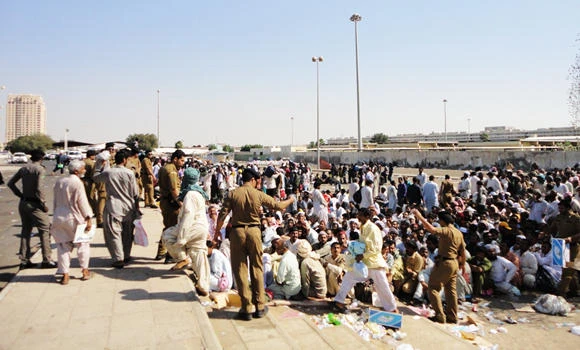
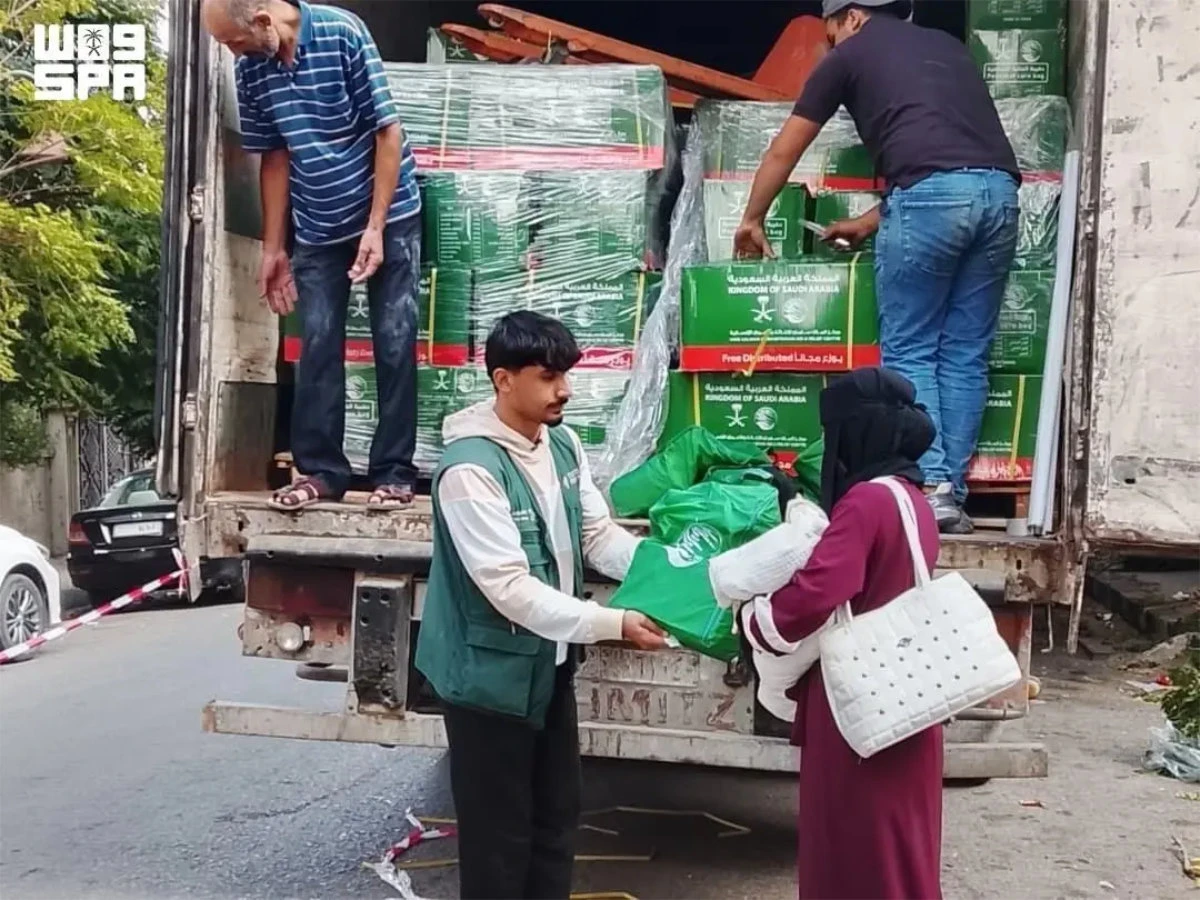
The Saudi Human Rights Commission (SHRC) has given a clean chit to the Saudi government for the measures it had taken during the correction period which deals with undocumented expatriate workers in the Kingdom.
The SHRC board, which held a meeting on Thursday with Bandar Al-Aiban presiding over the deliberations, described the steps taken as ideal. It commended the humane treatment of violators of residency and labor regulations, whose financial, social and security status were taken into consideration while considering their issues.
The SHRC has received reports from the offices of government agencies involved in follow-up of the correction process, which is being implemented by the Ministry of Interior in coordination with other authorities concerned with the issue.
It said the procedures of arrest and deportation were justified, but pointed out that there were exceptions in some cases of violators besides cancelation of punishment in other cases. The government departments involved including the Ministry of Interior had successfully facilitated procedures for change of profession for expatriates in violation of their stated profession, transferring sponsorship, issuing work permits, and deportation.
The SHRC said the issuance of the legal Shariah procedure system and the “procedure before Sharia courts” system underlines the sound methodology of the Kingdom in observing right and justice.
Dr. Bandar said these systems will contribute to development of the judiciary in the Kingdom, which will in the ultimate analysis, benefit litigants and the litigation process. He expressed his appreciation for the Custodian of the Two Holy Mosques King Abdullah for the issuance of these regulations.
The commission also commented on the International Day of Persons with Disabilities, which is celebrated on December 3rd every year. This year the United Nations gave it the theme of “Break Barriers, open doors for an inclusive society and development for all.”
The commission’ council said it would open the doors for a comprehensive developmental society, which encourages those interested in human rights to see the day as an opportunity to start working on educating communities about the rights of the disabled.
Rights body: Proper steps followed in deportation of illegals