- Two countries co-chair event at UN General Assembly titled ‘United for Water: A Call for Collective Action’
- Saudi minister: ‘Safe, accessible and secure water is fundamental to human well-being’
NEW YORK: Saudi Arabia and Senegal on Thursday urged the international community to strengthen cooperation on water security, warning that growing scarcity, rising demand and inadequate access are placing increasing pressure on societies and economies worldwide.
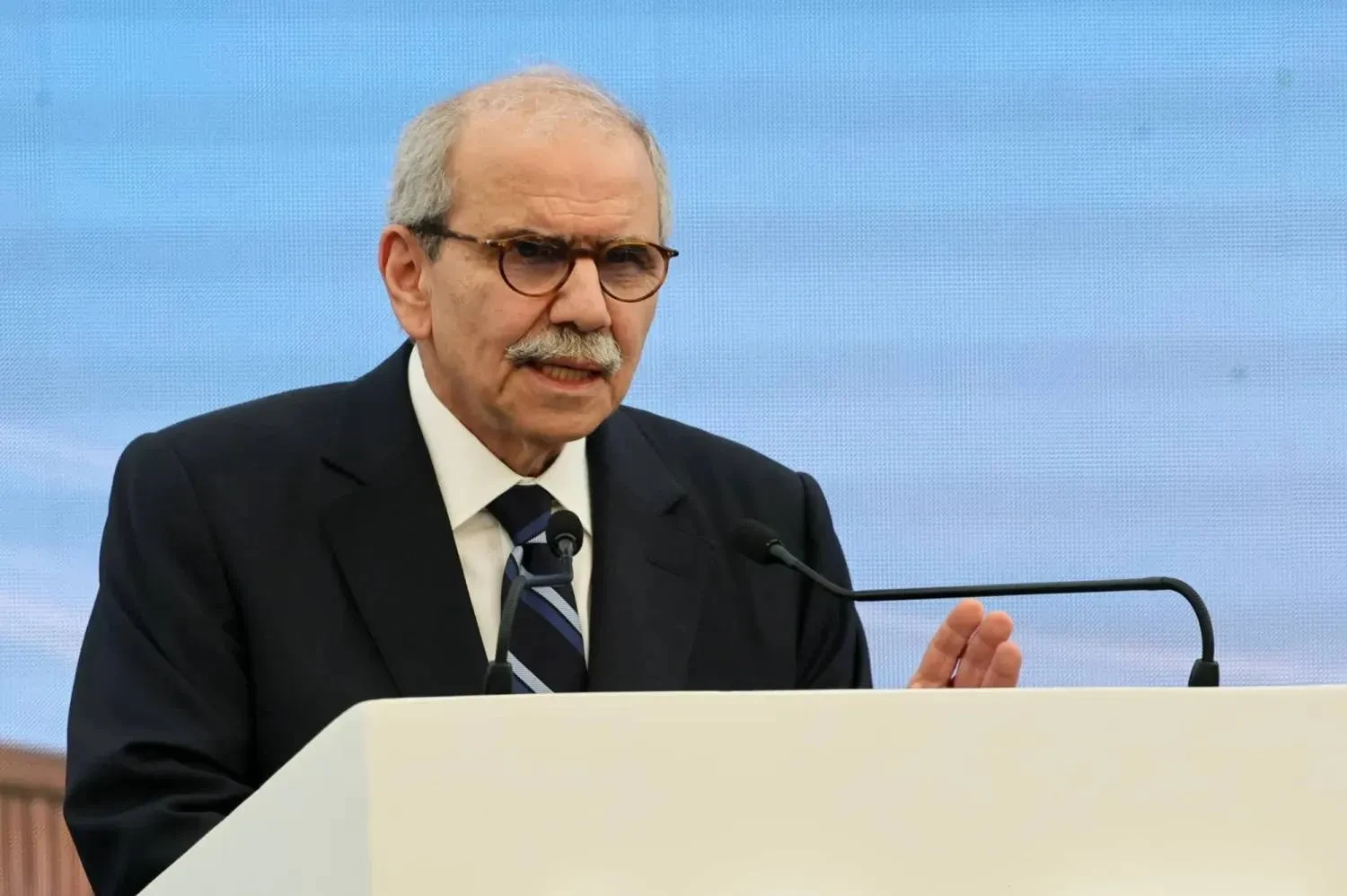
Speaking at a high-level ministerial event at the UN General Assembly titled “United for Water: A Call for Collective Action,” the Saudi deputy minister for international multilateral affairs said water should be recognized as a fundamental issue of international security and resilience as well as economic development.
“Safe, accessible and secure water isn’t merely a convenience; it’s fundamental to human well-being and to the resilience of our communities,” Abdulrahman Al-Rassi added.
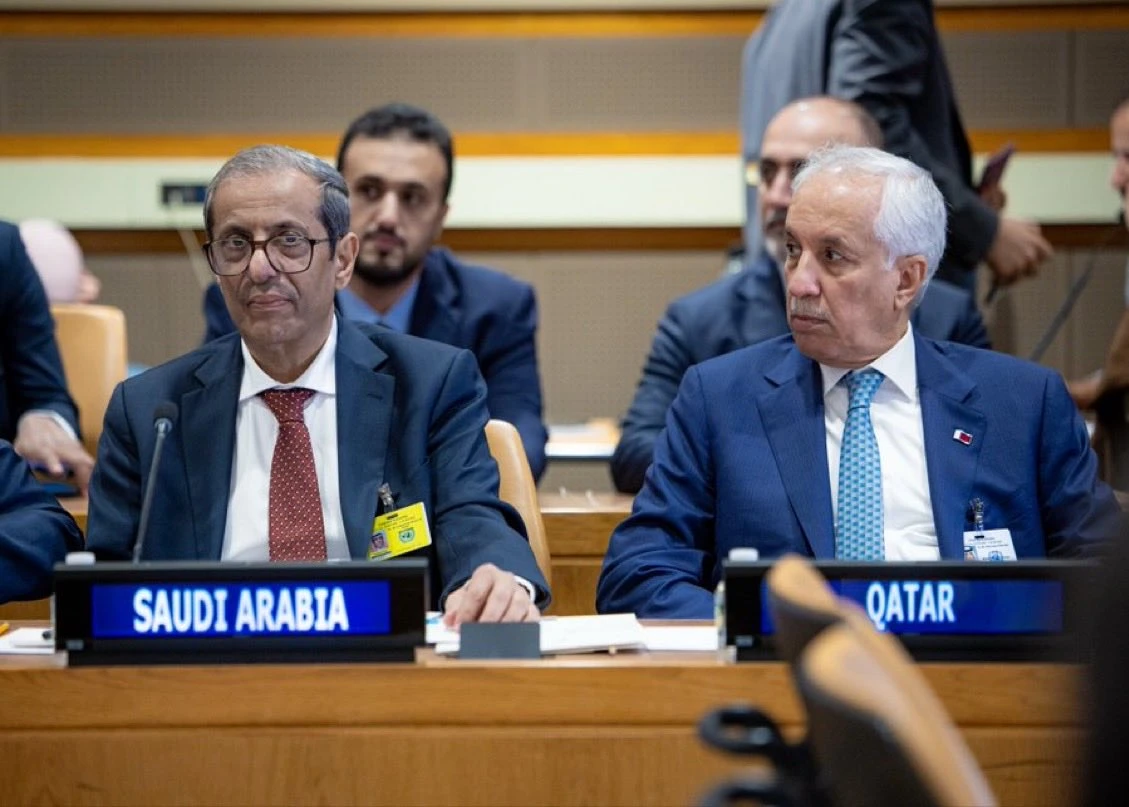
The meeting was co-chaired by Saudi Arabia and Senegal in cooperation with the Global Water Organization, established to promote international cooperation on water challenges.
Al-Rassi said availability alone is not enough to address the global water crisis, stressing the importance of accessibility, governance, technology and international cooperation.
“Water challenges transcend national borders,” he said, noting that growing scarcity and rising demand are placing unprecedented pressure on shared water resources.
He highlighted Saudi Arabia’s experience in managing water scarcity, saying the Kingdom has become the world’s largest producer of desalinated water and has placed water governance at the center of its National Water Strategy 2030.
Sustained investment in technology and innovation has helped strengthen water management and develop new solutions, he said, adding that Saudi Arabia’s experience demonstrates how water diplomacy could turn shared challenges into opportunities for dialogue and partnership.
Al-Rassi linked water security to wider regional stability, saying resilient water systems are closely connected to the security of critical maritime routes.
“Safeguarding freedom of navigation and ensuring the security of waterways remain critical to global economic stability and shared prosperity,” he said.
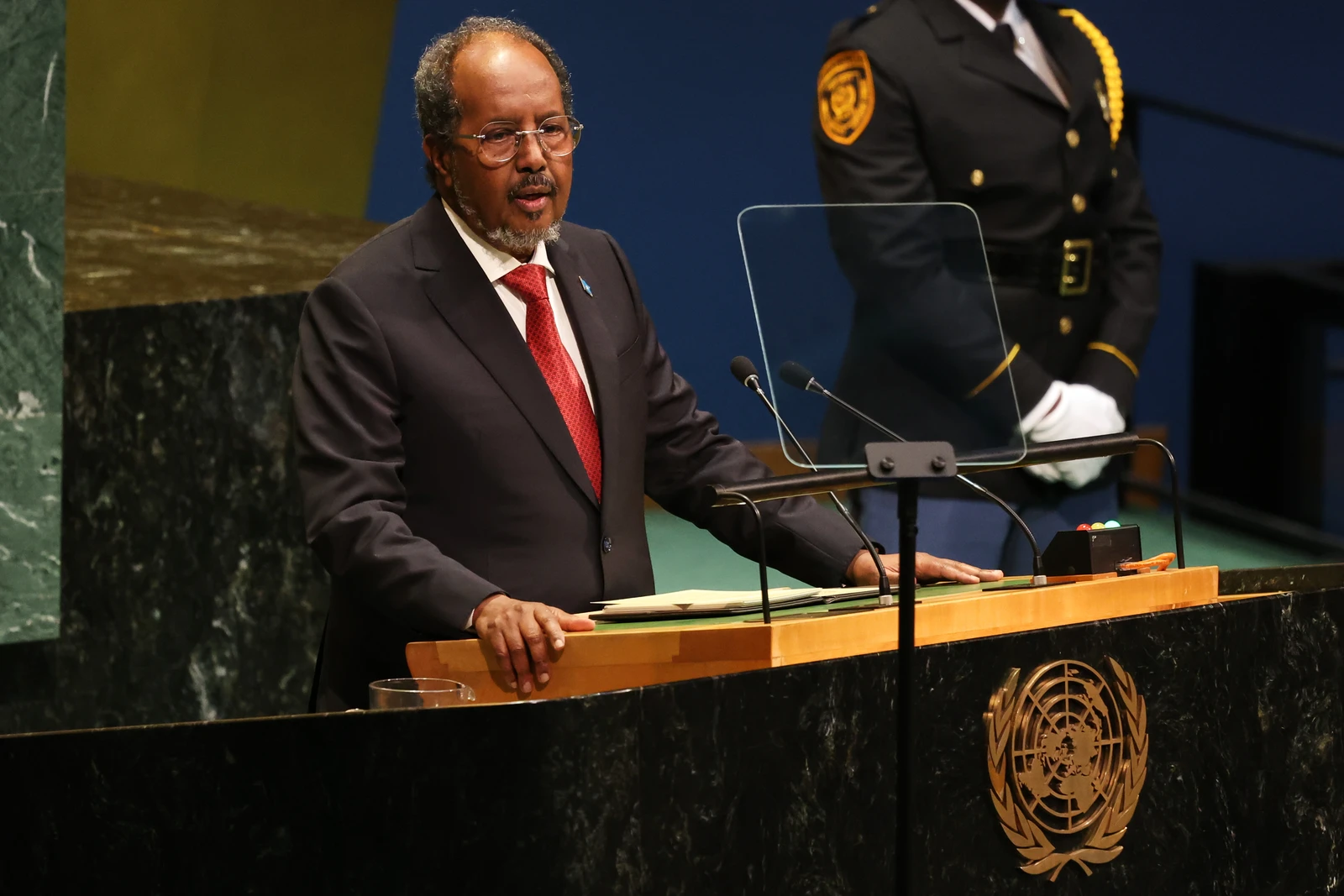
Amina Tature, Senegal’s high representative of the president, said water needs to become a greater political priority within the multilateral system, particularly as its effects increasingly intersect with climate change, economic development and social stability.
In Africa, she said, water shortages disproportionately affect women and girls, who are responsible for collecting water.
Tature said Senegal’s experience with transboundary cooperation, including through the Organization for the Development of the Senegal River and the Gambia River Basin Development Organization, shows that shared water resources can provide a basis for cooperation rather than competition.
“Our experience teaches us that a shared basin need not be a theater for competition; it can become a space of trust, solidarity and shared prosperity,” she added.
She welcomed Saudi Arabia’s plans to host the 11th World Water Forum in March 2027, following forums in Dakar in 2022 and Bali in 2024.
Tature also highlighted the 2026 UN Water Conference, which Senegal and the UAE will co-host in Abu Dhabi in December, saying it should help place water at the center of discussions on development, climate change, peace and multilateralism.
The conference will also provide an opportunity to strengthen global water governance beyond the UN’s 2030 Sustainable Development Goals, she added.
The UN secretary-general’s special envoy on water, Retno Marsudi, said progress toward SDG 6 — ensuring availability and sustainable management of water and sanitation for all — is moving too slowly.
“We have just four years left before the deadline to ensure water and sanitation for all,” she said, adding that one in four people worldwide still lack access to safe drinking water, while 3.5 billion people lack safely managed sanitation. “Therefore we need to unite, and we need to act collectively,” Marsudi said.