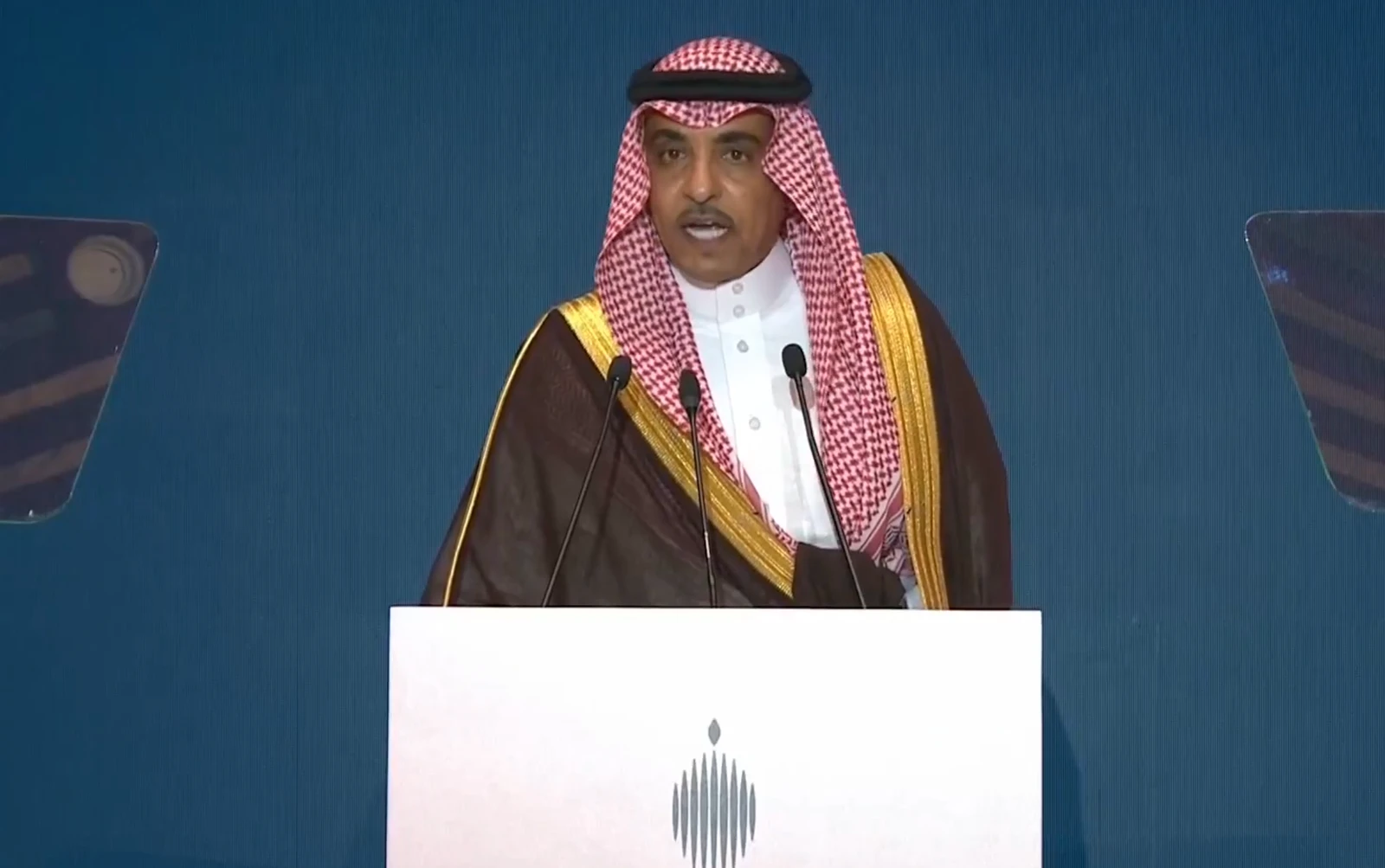
- Salman Al-Dossary says Kingdom prepared to defend territory, maintain normal life
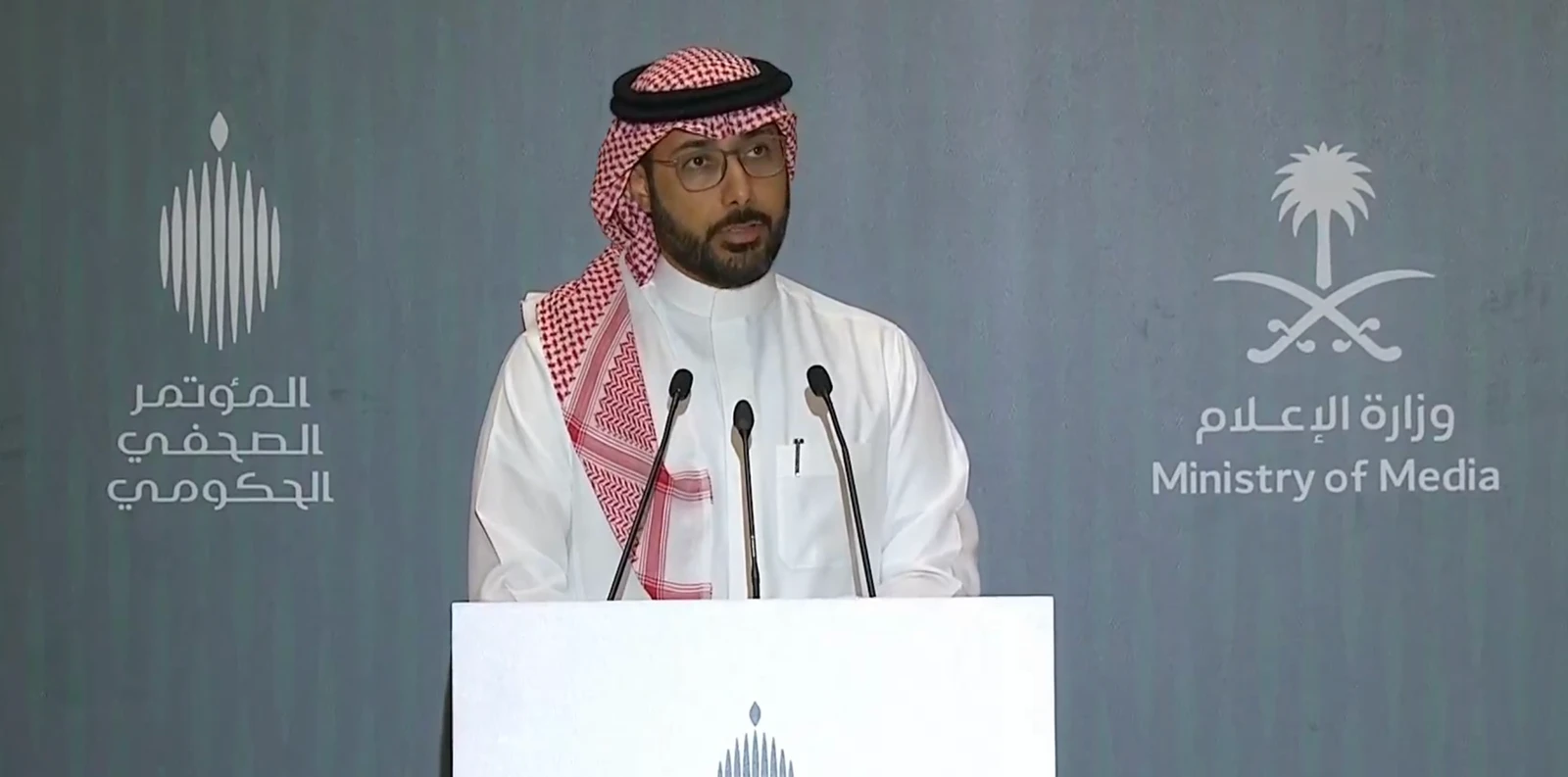
- Ibrahim Al-Sultan, CEO of Royal Commission for Riyadh City, outlines transport investments
RIYADH: Saudi Arabia’s Media Minister Salman Al-Dossary on Monday urged the public to rely on official sources and avoid circulating images, videos or information about security and military operations from unknown or unreliable sources.
“Accurate information is part of safeguarding security,” he told a government press conference, following Iran-backed Houthi attacks on Riyadh’s airport that killed at least 13 people and injured hundreds over the weekend.
Saudi Arabia is ready to defend its territory and protect its citizens and residents against threats from any source, Al-Dossary said, adding that “life in the Kingdom is continuing as normal.”
He added: “Heightened readiness does not mean there is cause for anxiety; rather, it reflects the state’s preparedness for different scenarios, regardless of how likely they are to occur.”
Al-Dossary described the Houthis as “a terrorist militia that has repeatedly demonstrated its disregard for international law and for moral and religious principles.”
He said the group’s targeting of Islam’s two holiest mosques, civilians and civilians’ vital facilities underscored the need for shared vigilance and preparedness.
An attack by the Houthi militia on Saturday targeting a passenger terminal at King Khalid International Airport in Riyadh killed at least 13 people and injured more than 300 others, the Saudi Press Agency reported.
On Sunday, a Pakistani national was killed and 11 others were injured when an unidentified projectile struck Terminal 4, triggering a fire.
The government news conference also covered housing, digital government services, mineral exploration and efforts to expand Riyadh’s transport network in light of the capital’s growth.
Al-Dossary said more than 63,000 Saudi families became first-time homeowners in the first half of 2026.
Saudi Arabia also retained the top regional position in the Digital Government Services Maturity Index for the fourth consecutive time, with an overall score of 99 percent, he said.
Exploration at the Jabal Sayid project had identified about 114 million tonnes of ore containing high concentrations of rare earth elements, along with promising indications of uranium, he added.
Turning to the capital, Al-Dossary said Riyadh’s transformation was visible in its transport activity, urban expansion and growing number of projects, as well as its international standing as a center for business and investment.
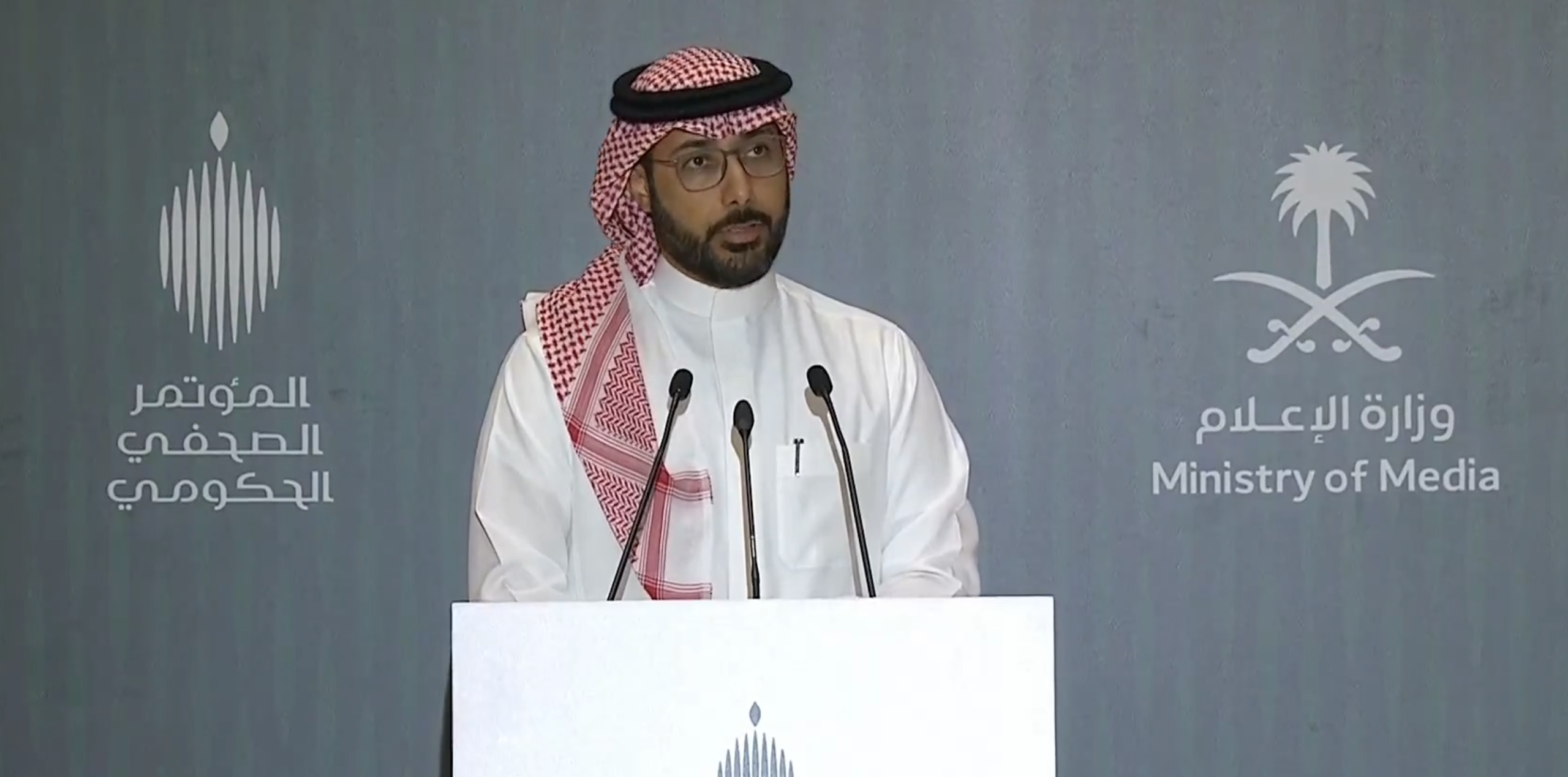
Ibrahim Al-Sultan, chief executive of the Royal Commission for Riyadh City, outlined transport investments intended to keep pace with that growth.
“Riyadh has a large economy and offers abundant opportunities, with its population increasing by hundreds of thousands each year,” Al-Sultan said.
The resulting rise in daily trips for work, education, services and leisure required a transport network with greater capacity, wider coverage and improved operating efficiency, he added.
The commission has signed contracts to buy 94 trains, expanding its fleet from 183 to 277, Al-Sultan said. The additional trains will increase capacity and provide more service on the busiest lines.
The public transport network is approaching 500 million passenger trips since operations began, including more than 300 million on the Riyadh Metro, he said. Trips by university and school students have exceeded 20 million.
Alongside the rail expansion, bridges and tunnels will open gradually over the next four years under a program to develop Riyadh’s ring roads and major road corridors, Al-Sultan said.
Launched by the crown prince, the program covers about 700 km of major routes and more than 330 major intersections. It includes the construction of more than 300 bridges and 80 tunnels across the city.