- Focus on renewables and gas, MEED’s editor tells Arab News
- Rising population, growth in data centers are adding pressure
RIYADH: Saudi Arabia’s megaproject pipeline is entering a more demanding stage, with the focus shifting from announcing projects to delivering the power, water and infrastructure needed to make them operational, according to Middle East Economic Digest’s Power and Water Editor Mark Dowdall.
Speaking to Arab News recently on the sidelines of the Shaping Mega Projects 2026 Summit in Riyadh, Dowdall said the Kingdom’s infrastructure requirements were becoming increasingly diverse as population growth, megaproject development and emerging industries such as data centers reshape demand.
“There’s a huge focus on renewable energy, solar, wind-powered projects,” Dowdall said, pointing to the continued expansion of the Saudi National Renewable Energy Program. The seventh round alone includes solar photovoltaic and wind projects with a combined capacity of 5,300 megawatts.
But renewables are only a part of the picture.
Dowdall said Saudi Arabia was simultaneously developing gas-fired power generation, desalination, wastewater treatment, water transmission and other infrastructure needed to support a rapidly expanding economy.
“I think just in general, power generation is going to be a huge one,” he said.
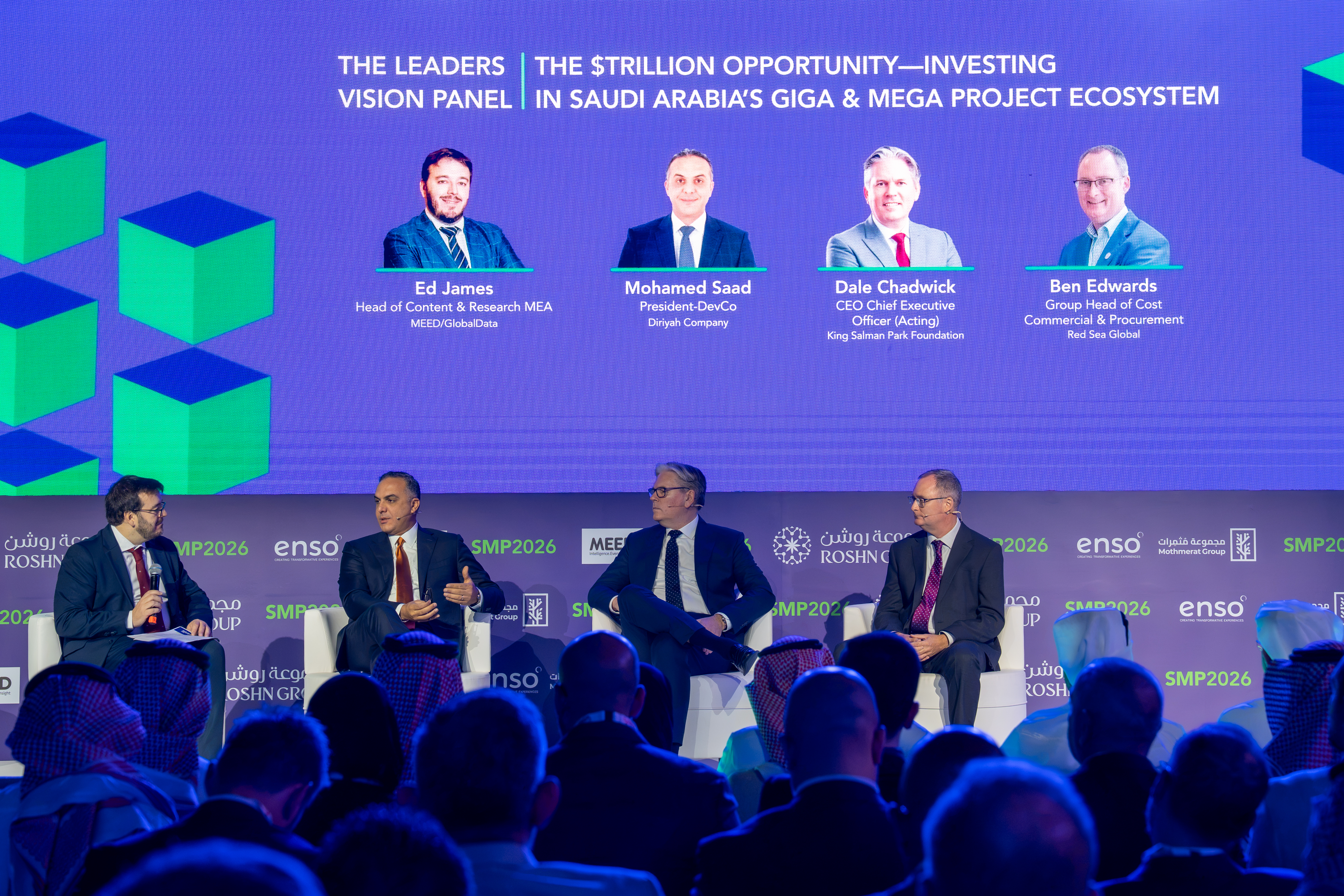
Dowdall’s comments came as the fourth edition of the summit, from Sept. 28 to 30, brought together project owners, developers, government stakeholders, contractors and consultants.
The event is focused on the transition from Vision 2030 planning and design toward procurement, construction and delivery.
For Dowdall, one of the most significant emerging pressures is the growth of data centers.
“Data centers now are a new one,” he said, adding that their expected growth would increase demand not only for electricity but also for water production.
As Saudi Arabia expands its digital infrastructure, Dowdall said the additional demand would come alongside the requirements of a growing population.
“That’s going to not only increase the need for power generation, but also increase the need for water production,” he said.
The challenge is particularly pronounced in the water sector, where Saudi Arabia relies heavily on desalination and must move water over long distances across the Kingdom.
Dowdall said the country’s geography means infrastructure requirements extend beyond desalination plants themselves to the transmission networks needed to transport water from coastal production facilities to inland population centers such as Riyadh.
“It’s not just the desalination facilities, but then it’s also the transmission infrastructure to transfer that desalinated water all the way from the sea inland to places like Riyadh,” he said.
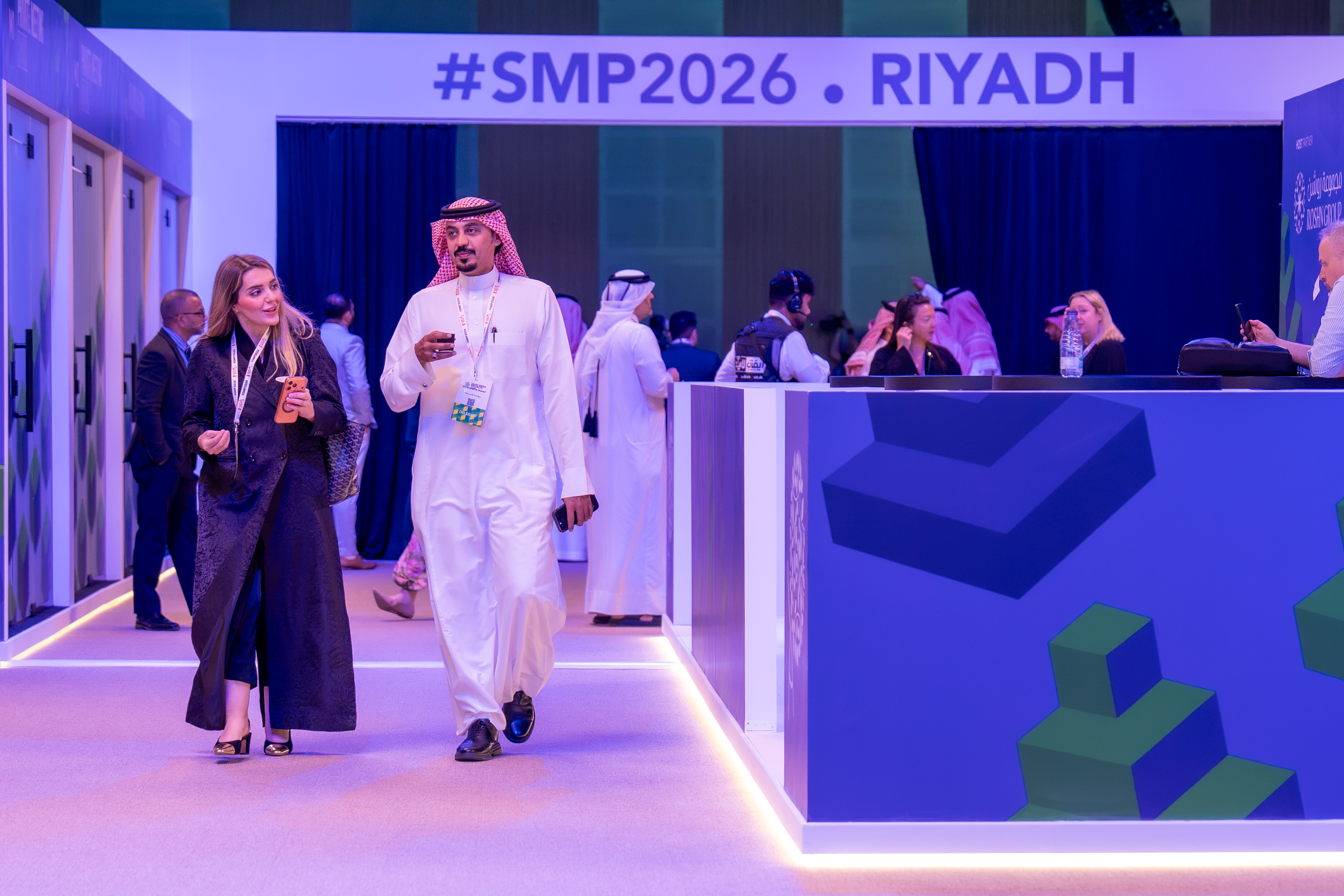
Saudi Arabia already has one of the world’s largest desalination markets, while its water strategy is driving additional investment in desalination and sewage treatment through public-private partnership structures.
Dowdall said wastewater infrastructure would also become increasingly important as population growth and development continue.
“We’re going to see more wastewater sewage treatment facilities,” he said, describing this as a necessity rather than a discretionary investment.
However, while demand remains strong, the market is also facing challenges in moving projects through procurement.
Dowdall identified procurement as one of the key challenges facing the market as developers and authorities seek to keep infrastructure delivery aligned with rising demand.
“The challenge would be on the procurement side of things,” he said, adding that stakeholders were trying to progress projects through procurement quickly enough to keep pace with demand.
MEED reported earlier this month that Saudi Arabia’s water sector had experienced a sharp slowdown in contract awards, with delays to major projects concentrating activity in some areas. Its September analysis also reported slower power-award activity.
At the same time, the Kingdom’s infrastructure push is creating opportunities for both domestic and international companies.
Dowdall highlighted local suppliers and manufacturers as one area with significant potential, particularly as companies and project developers place greater emphasis on localization and supply-chain resilience.
“I think there’s quite a lot of opportunities right now for local suppliers, local manufacturers,” he said.
He pointed to rising supply-chain costs and geopolitical disruptions as factors that could reinforce the push toward local production.
“There was already a push for localization before,” Dowdall said. “But especially now, I think given the kind of geopolitical challenges and supply-chain challenges over the last six months, this is going to be even more emphasis put on this going forward.”
For international companies, he identified opportunities in Saudi Arabia’s water PPP market, particularly for developers looking to enter the independent water-project sector.
The Kingdom has continued to expand its water PPP pipeline, with desalination, sewage treatment, transmission and related infrastructure creating opportunities for private-sector participation.
The wider power market is also evolving. Saudi Arabia is expanding renewable generation while adding battery storage and conventional generation to meet rising electricity requirements.
In August, the Saudi Power Procurement Co. signed agreements for four battery-energy storage projects with a combined capacity of 2,000 MW.
For Dowdall, the scale and geographic spread of Saudi Arabia means that the next phase of Vision 2030 will require more than individual headline projects.
It will require the supporting infrastructure that connects them.
As megaprojects move deeper into construction and operational planning, the demand for reliable electricity, desalinated water, wastewater treatment and transmission networks is likely to become an increasingly central part of Saudi Arabia’s development story.
Shaping Mega Projects 2026 reflects that shift, bringing the organizations responsible for major developments together with the contractors, consultants and infrastructure providers tasked with delivering them.
The story is no longer simply about how many megaprojects Saudi Arabia is building, but whether the infrastructure supporting them can be delivered at the same pace.