- Families mark National Day through regional traditions, music, food and gatherings that connect generations
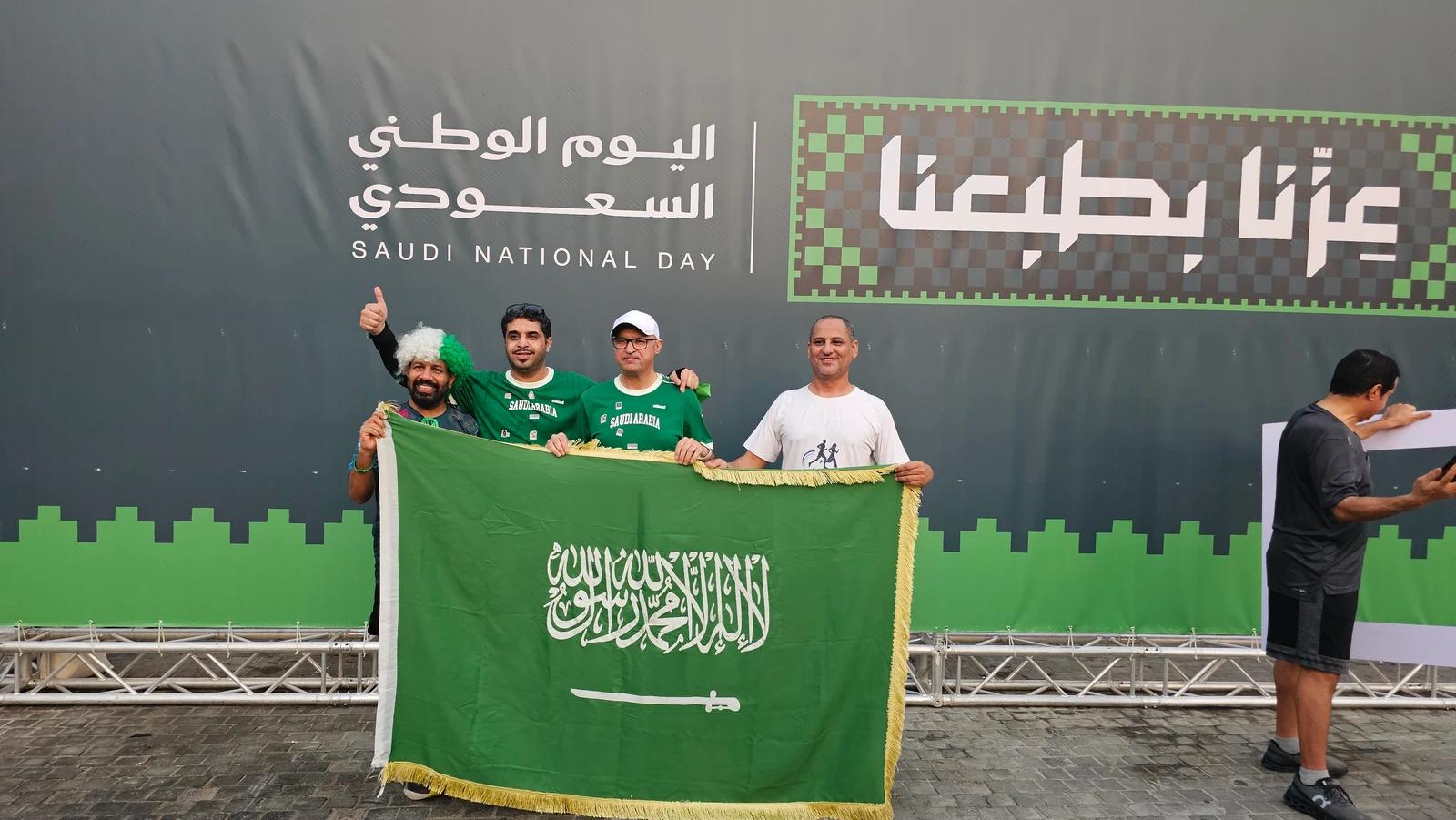
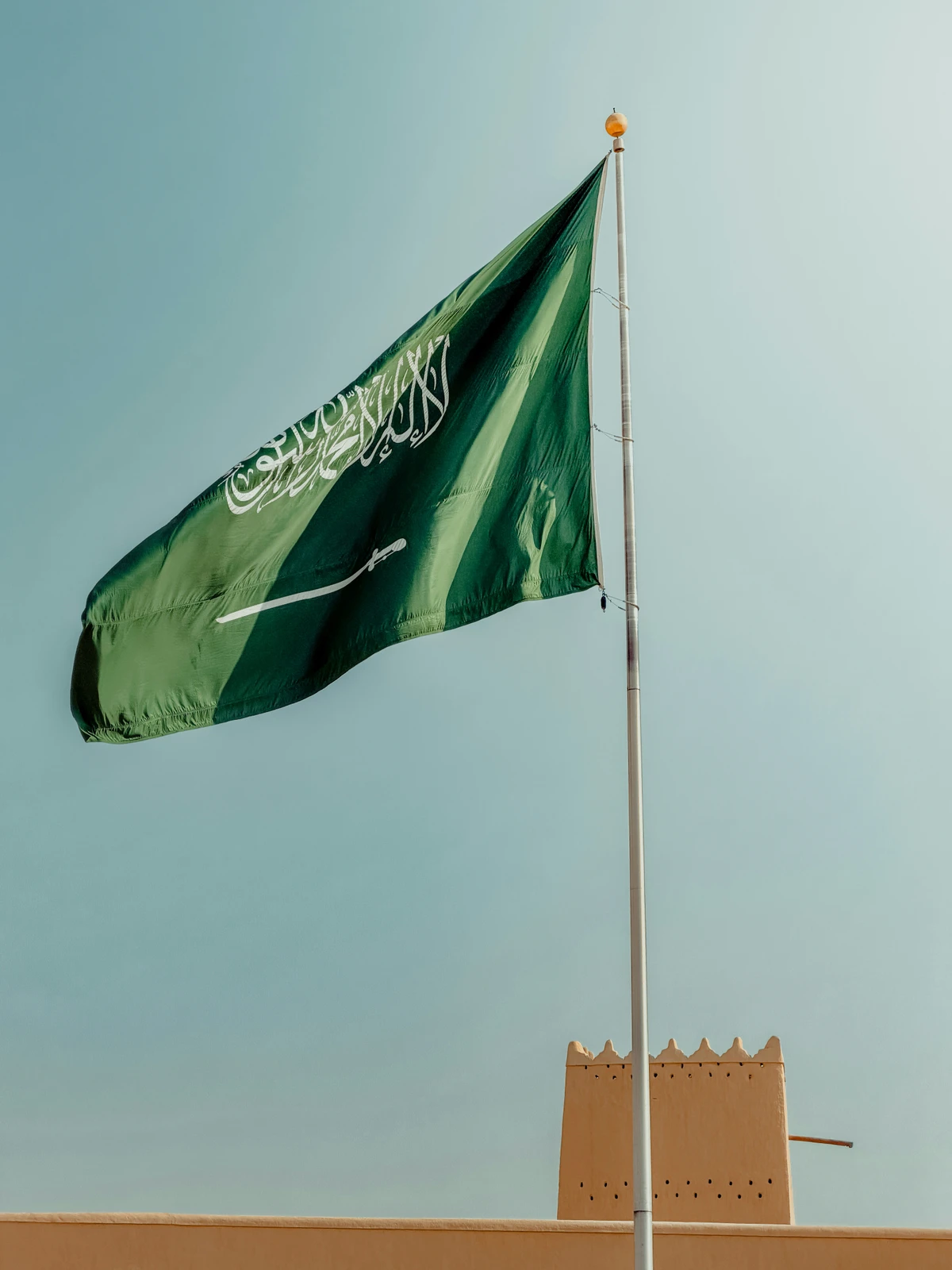
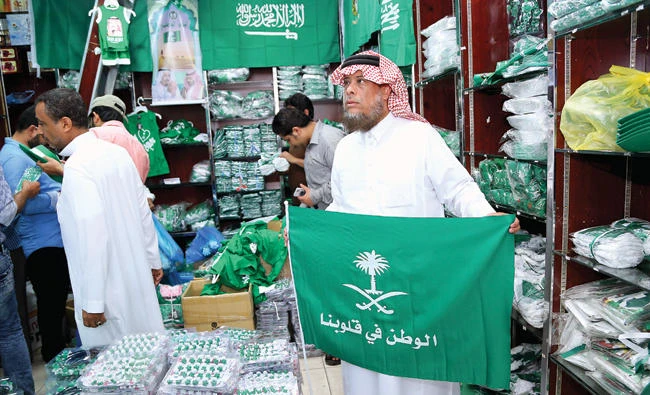
From streets draped in green and cars flying the Saudi flag to family gatherings, traditional meals and stories passed between generations, Saudi National Day brings communities across the Kingdom together in celebration.
For many Saudis, the occasion is not only a time to reflect on the Kingdom’s history and achievements, but also an opportunity to express pride and belonging through music, food, regional traditions and shared family experiences.
By early evening, the traffic along King Abdulaziz Road has stopped being traffic and become something else entirely.
Cars move at walking pace, and nobody seems to mind. Saudi flags rise from open sunroofs and hang from rear windows, green and white against the dusk.
National songs carry from one vehicle to the next, overlapping at the junctions.
Mohannad Garoud said that being caught in National Day traffic is not an inconvenience, but the moment he looks forward to all year.
The 28-year-old marine engineer celebrates the occasion with his friends on King Abdulaziz Road, widely known among Jeddah residents as “Tariq Al-Malik,” where crowds gather to watch decorated cars, listen to national songs, watch fireworks and enjoy air shows overhead.
“My favourite scene is when my car is stuck on King Abdulaziz Road,” Garoud told Arab News. “People leave their homes to enjoy the celebrations and see how others have decorated their cars. Everyone celebrates in their own way.”
Garoud usually leaves home at about 6 p.m. and does not return until nearly 2 a.m. when the crowds begin to disperse, and the traffic finally eases.
With the car windows open, he and his friends immerse themselves in the festive atmosphere, surrounded by Saudi flags and national songs playing loudly from passing vehicles.
His National Day playlist always includes Talal Maddah’s classic “Watani Al-Habib: Wa Hal Uhibbu Siwah,” as well as the celebratory song “Hatha Al-Saudi, Foog Foog.”
In Jazan, National Day celebrations bring together national pride and the region’s distinctive cultural heritage, according to Nahla Zamim, a 36-year-old mother of four.
“We begin the day by gathering as a family before heading to the celebrations, as the streets and waterfronts are transformed by the color green,” she told Arab News.
Traditional clothing forms an important part of the family’s celebrations. Men wear Saudi attire such as the thobe and bisht, while women dress in embroidered regional clothing adorned with fragrant Jazan jasmine.
“Our heritage has a strong and very special presence,” Zamim said. “The celebration would not be complete without taking part in or watching folk dances in public squares, including the Jazan ardah, samrah and rabsh. Their chants express loyalty to the nation and its leadership in a spirited traditional style.”
Food also brings the family together. Their celebratory meal includes meat cooked in a traditional maghsh stone pot and served with mifa bread, linking the region’s culinary heritage with the achievements of modern Saudi Arabia.
Zamim said songs by Jazan-born artist Mohammed Abdu, particularly “Foog Ham Al-Sahab” and “Hadithina Ya Rawabi Najd,” provide the soundtrack to the occasion.
“His voice especially touches our hearts and gives us a profound sense of pride and belonging to this country,” she said.
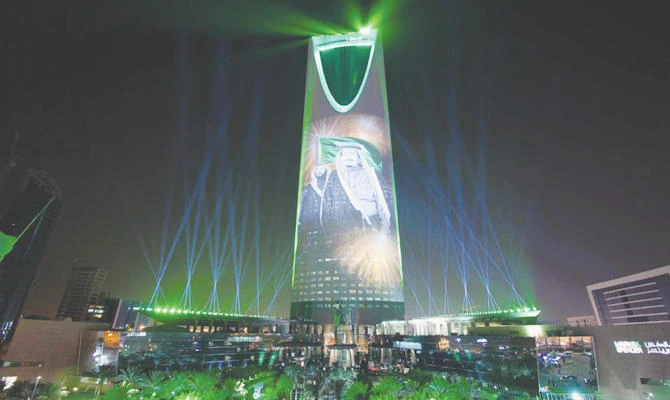
In Riyadh, National Day celebrations unfold against the skyline of the Kingdom’s bustling capital. Skyscrapers are illuminated in green, restaurants and shops unveil special offers, and even the city’s traffic becomes part of the festivities as vehicles take to the streets decorated with Saudi flags.
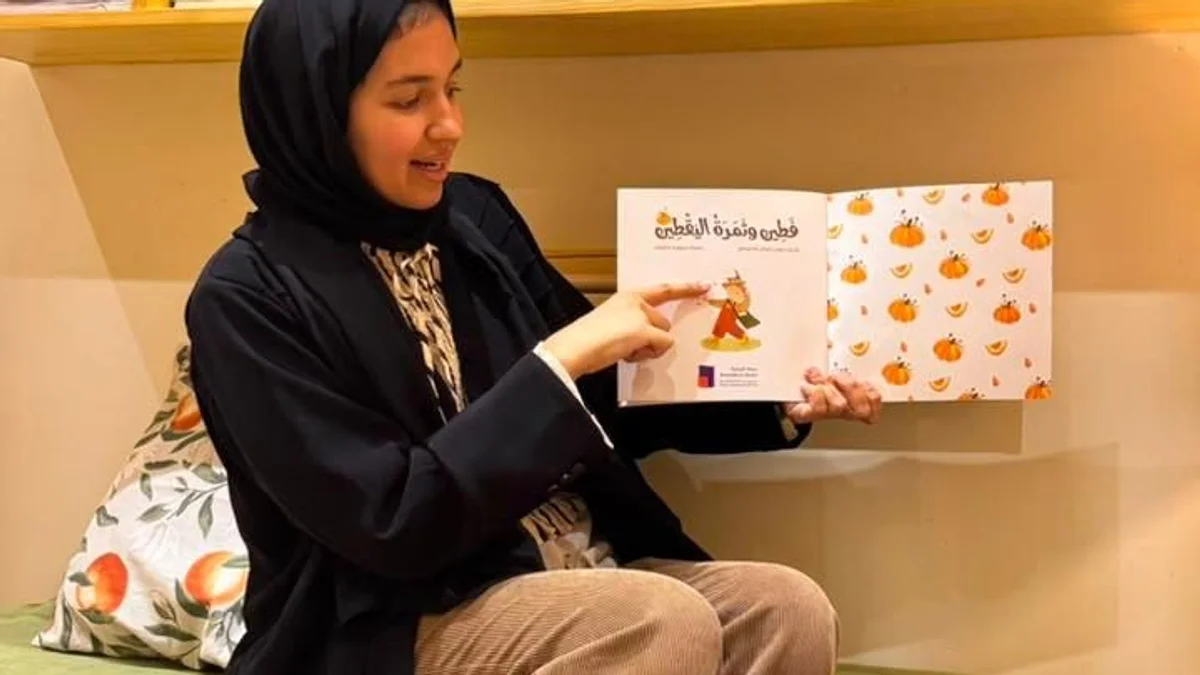
Haneen Shaheen, a mother from Riyadh, sees National Day differently. She views it as an opportunity to deepen her children’s connection to Saudi Arabia through experiences that engage their senses and emotions.
Shaheen, who works in the development and publication of children’s literature in the Kingdom, is mother to Hashem, aged four-and-a-half, and Salma, aged one-and-a-half.
“I want my son to learn more about his country on National Day, rather than simply memorize specific historical facts,” she told Arab News.
She said children were more likely to remember information when it was linked to genuine feelings and practical experiences.
“I believe knowledge should always be accompanied by emotion rather than presented in a rigid or dry way,” she said. “It will not remain with a child or become firmly rooted in their mind unless it is connected to real feelings.”
Shaheen introduces her children to Saudi culture through traditional food, music, dance and creative activities.
“We visit Najd Village, sit on the floor in the traditional style, eat kabsa with our hands, try jareesh and finish the meal by tasting masabib.”
She also uses everyday moments to teach her children about the country.
“In the car, we read ‘Alif Ba’ Al-Saudia,’” she said, referring to a children’s book produced by Kan Yama Kan, a children’s reading hub in Riyadh. The book introduces young readers to Saudi Arabia’s national symbols, customs and cultural traditions.
For other families in Riyadh, the celebrations center on gathering at home, sharing traditional food and reflecting on the country’s progress.
Fay Al-Otaibi, a recent graduate who has since entered the workforce in her home city, spoke to Arab News about what she and her family traditionally do to celebrate the national holiday.
“We usually celebrate National Day by gathering at home, wearing green, sharing traditional Saudi food, and enjoying the celebrations around Riyadh. The most important tradition for us is simply being together and expressing our gratitude, pride, and love for our country.”
She went on to emphasize what the national holiday means to her, saying:
“Celebrating National Day as a family gives the occasion a deeper meaning. It is an opportunity to help younger generations understand that Saudi pride is not only about celebration; it is also about knowing our history, preserving our values and culture, and contributing to the Kingdom’s future. I want them to feel proud of their identity and inspired by Saudi Arabia’s transformation, while remembering the foundations and sacrifices that made today’s progress possible.”
Abdullah Al-Othaim, a Riyadh resident and final-year university student, also spoke to Arab News about the significance of Saudi National Day, highlighting what he and his family do every year.
“We usually get together as a family and enjoy the atmosphere of the day. There’s always a moment when the older members of the family start talking about the old days, what life was like when they were growing up and how different everything is now. Hearing those stories every year is a reminder of just how far the Kingdom has come.”
He also emphasized the sentimental value of the celebration, saying:
“What stands out to me is how much the Kingdom has changed within a single generation. The younger ones have only ever known the Saudi Arabia we have today, so they have no picture of what came before.”
In the Eastern Province, celebrations are also finding their way into kitchens, where Saudi culinary traditions are being reimagined for a new generation.
While many restaurants and cafes across the Kingdom will offer special menus and green-and-white creations for the 96th National Day, Lama Alidrissy, a Khobar-based culinary arts student, will be whipping up delights in the kitchen.
Feeding the stomach — and the soul — is not only a staple of Saudi hospitality and generosity, but also a delicious way to keep traditions alive.
“For National Day this year, I’ll be celebrating through food,” she told Arab News. “I’m currently developing an elevated Saudi dessert inspired by Hijazi flavors, bringing traditional flavors into a contemporary form as part of my culinary studies.”
Alidrissy, who moved from the Kingdom's west coast to the Eastern Province for her culinary program, will use this milestone occasion to highlight a traditional Hijazi sweet from her hometown — but with a little inspiration sprinkled in from her current home.