- As the city expanded, and modern infrastructure began replacing older neighborhoods, George was also among those who recognized the importance of preserving historic Jeddah
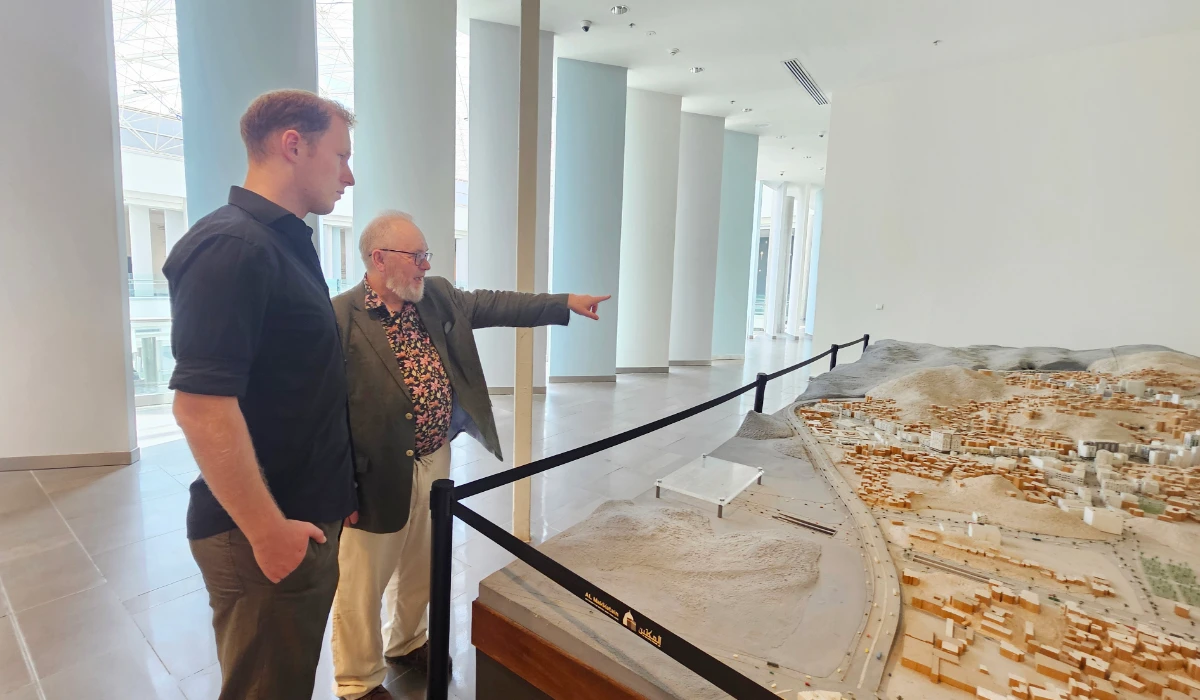
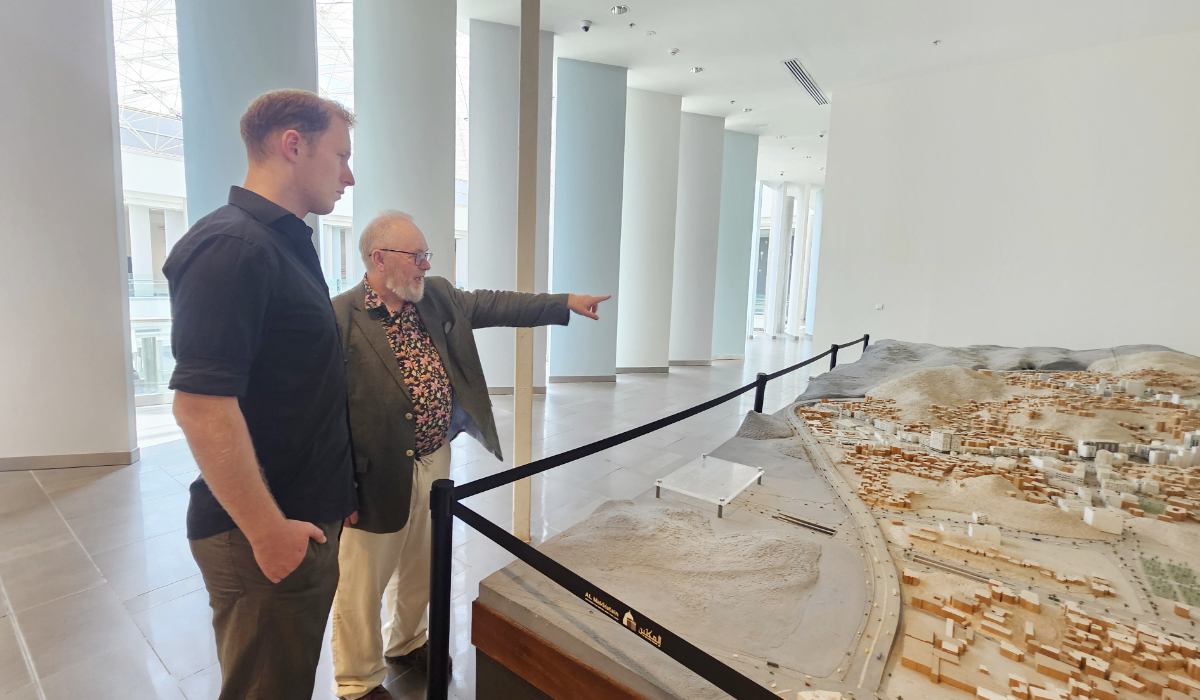
JEDDAH: More than 40 years after he last visited Jeddah, Graham Duncan, from Edinburgh, returned last week to the city he knew as a child — this time accompanied by his 20-year-old son, Joey, who wanted to see the legacy that Graham’s father, George, helped build.
Graham left Jeddah in 1982 at the age of 18. His return on Oct. 5 was not just a journey into his own past, but an opportunity to introduce Joey to the city where his grandfather spent almost 15 years.
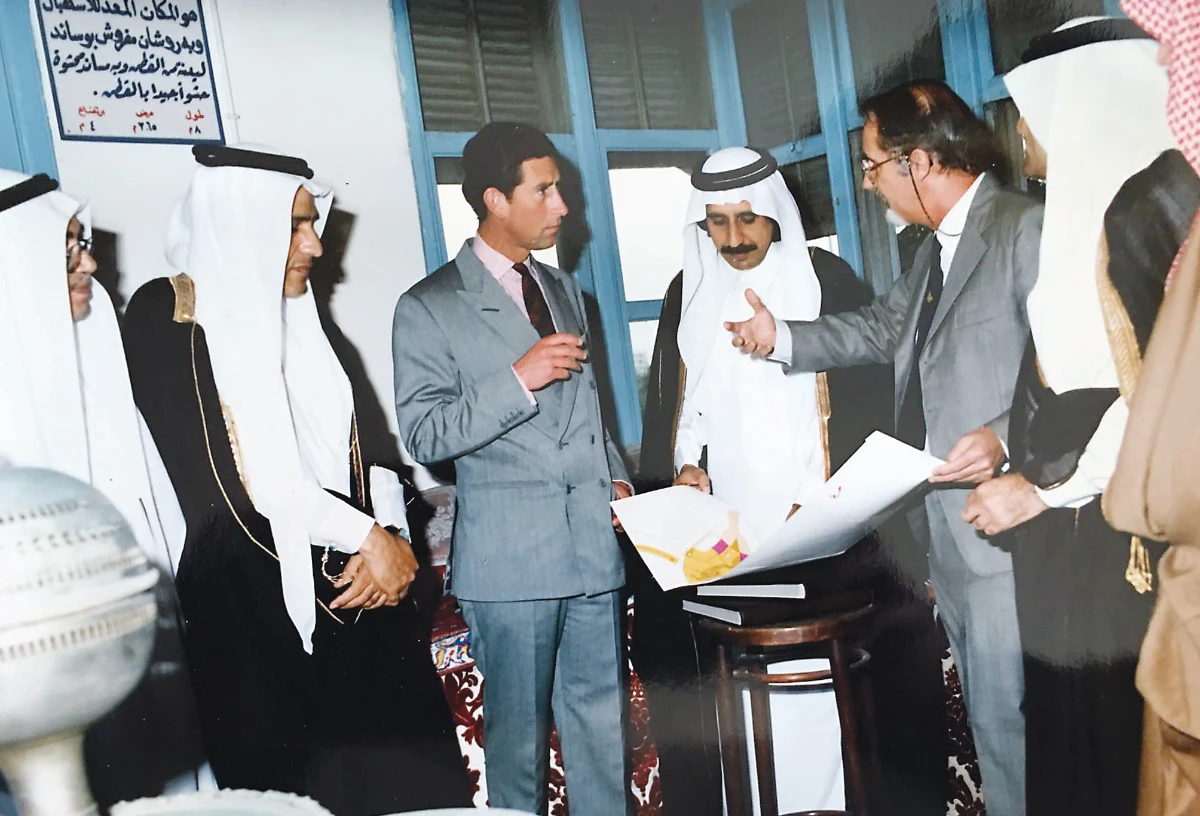
Dr. George Duncan was an architect and town planner who worked with Jeddah’s former mayor, Mohammed Saeed Farsi — widely considered to be the father of modern Jeddah — to shape Jeddah’s urban landscape while advocating for the preservation of its historic heart from the 1960s through the 1980s.
George retired in 1985 to write a doctoral thesis at Durham University about his work in Saudi Arabia. He died in 1997.
Joey, who serves in the British Army’s Parachute Regiment, had long wanted to see the work of the grandfather he never knew.
“My son had a break between deployments. So, he told me that he wished to see what his grandfather had accomplished and contributed in Jeddah,” Graham told Arab News. “This is what prompted us to fly all the way to Saudi Arabia: He wanted to see his grandfather’s legacy. We have been everywhere in the old town, remembering every touch my father has left in this city.”
As the city expanded, and modern infrastructure began replacing older neighborhoods, George was also among those who recognized the importance of preserving historic Jeddah. The transformation presented a difficult challenge: How could a rapidly growing city modernize while retaining the architectural character and cultural identity of its historic center?
Graham believes his father, working alongside Farsi, played an important role in answering that question.
“Without the contribution of my father and Mayor Farsi, Jeddah would not be as beautiful as it is today,” he said.
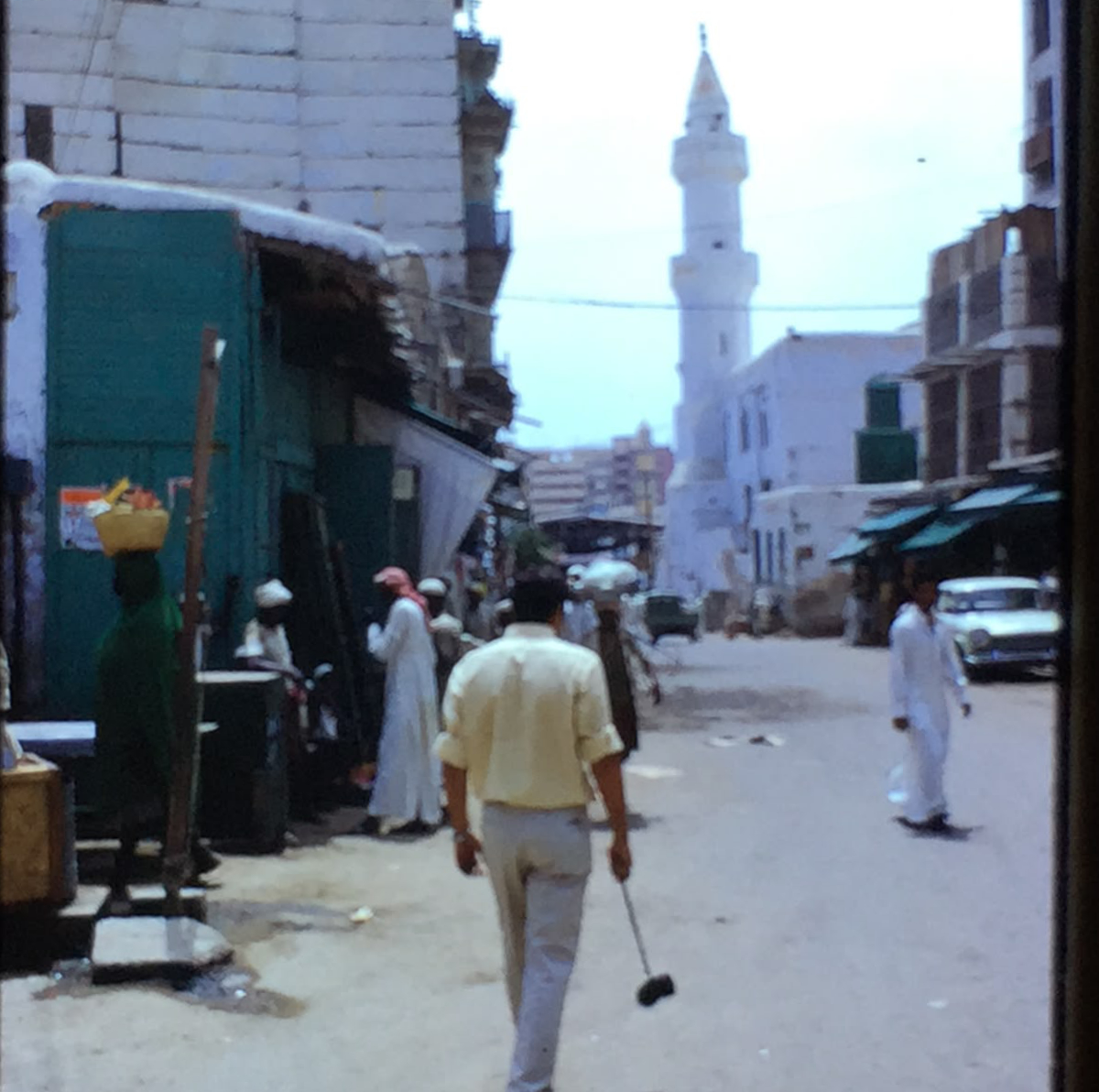
The preservation of historic Jeddah eventually became an important part of the city’s identity.
Al-Balad, with its traditional houses, markets, narrow lanes and distinctive architecture, was inscribed on UNESCO’s World Heritage List in 2014.
For Joey, seeing the historic district in person offered a tangible connection to a grandfather he had previously known mainly through family stories.
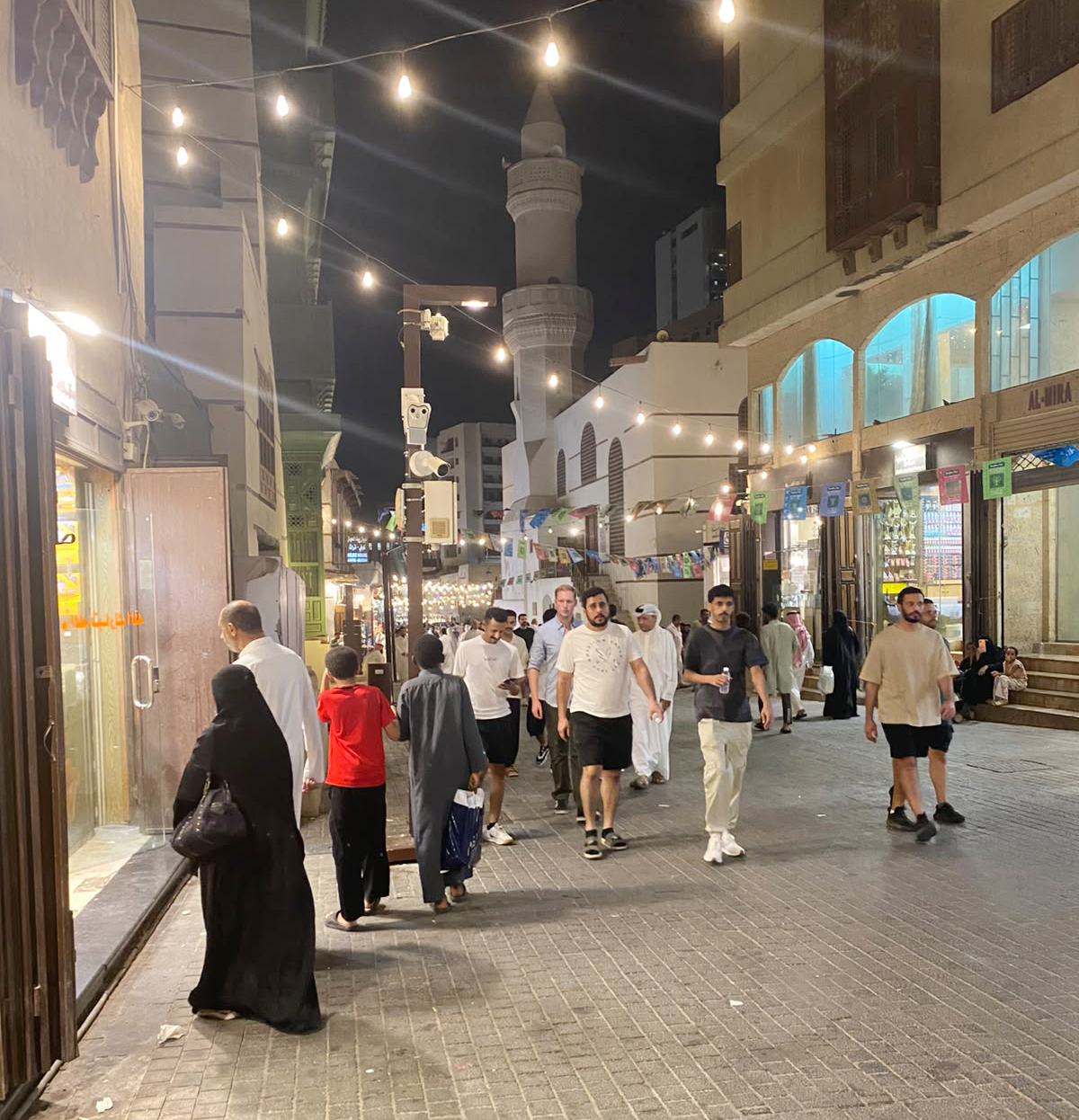
“I am really glad to be here,” Joey told Arab News. “To trace the footsteps of grandfather is really a great feeling and what I saw made me so proud. I will cherish it all my life.”
The family’s return was also made possible through another Jeddah connection. Graham contacted Zaki Farsi, the son of the former Jeddah Mayor, before the trip. “He welcomed us and arranged for us to visit,” Graham explained.
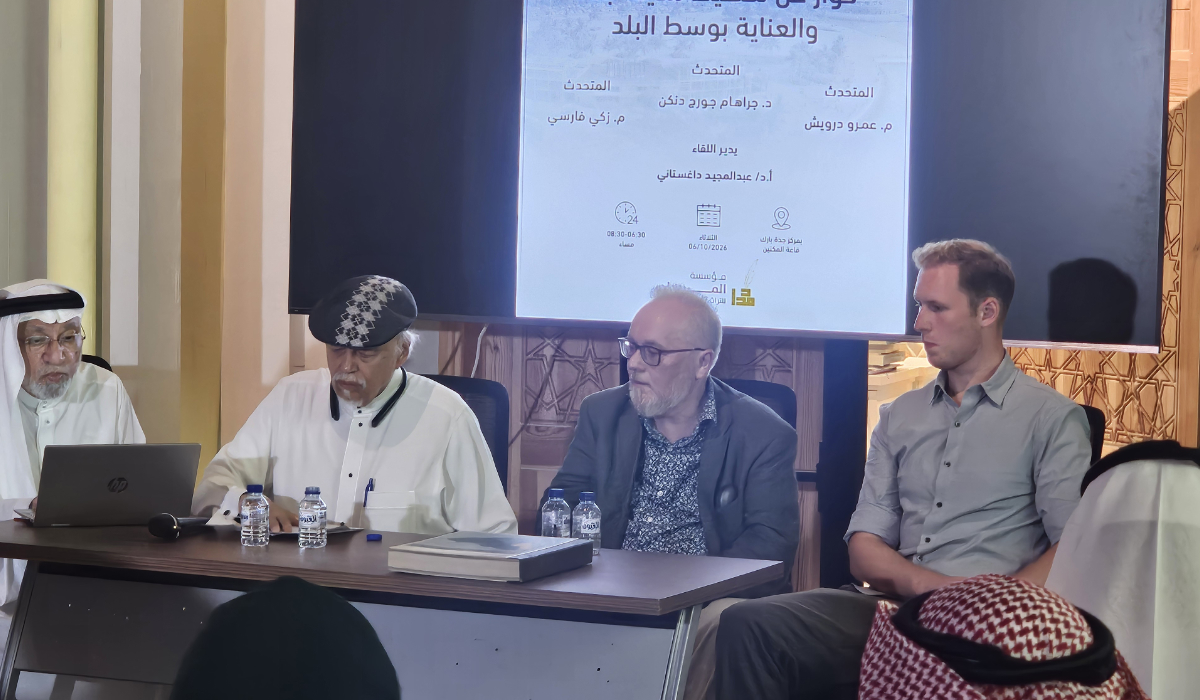
That connection took on greater significance on Oct. 6, when the Saudi Society for Urban Sciences’ Jeddah Chapter organized a forum titled “Jeddah City Planning and the Revitalization of Central Jeddah” at Al-Safa Hall in the Al-Makateen Museum in Jeddah Park.
The forum brought together figures connected to the city’s urban-planning history, including Graham, Joey, Zaki Farsi, and consulting engineer Amr Darwish, who was the first head of Al-Balad Municipality in Jeddah.
During his visit, and on behalf of the Duncan family, Graham announced that he is donating a copy of the original Jeddah master plan to the library of King Abdulaziz University, preserving an important document from the city’s urban-planning history for researchers, students and future generations.
In addition, he is also providing KAU’s library a collection of his father’s photos of Jeddah in the late 60s and early 70s. It’s a way to ensure that George’s contribution will not remain only a family memory.
As father and son prepare to return home, they leave Jeddah with a renewed appreciation for the city’s beauty and a deep sense of pride in knowing that George played a part in shaping its remarkable master plan.