RIYADH: A 16-year-old Saudi boy was among three who died of Middle East Respiratory Syndrome coronavirus (MERS-CoV) in Riyadh on Monday.
The Ministry of Health (MoH) reported three deaths and four new cases, three of them in Riyadh, and the fourth in Madinah.
In addition to the boy, others who died in Riyadh were an 80-year-old woman and a 76-year-old man.
Among the four fresh cases, one is a 26-year-old Saudi woman, while the others are above 80 years of age.
Earlier in a statement, the MoH said that the virus rarely affect those under 19 years.
The total number of people infected by the virus has reached 1,220, including 520 deaths since June 2012. Some 76 patients are currently under treatment for the virus infection.
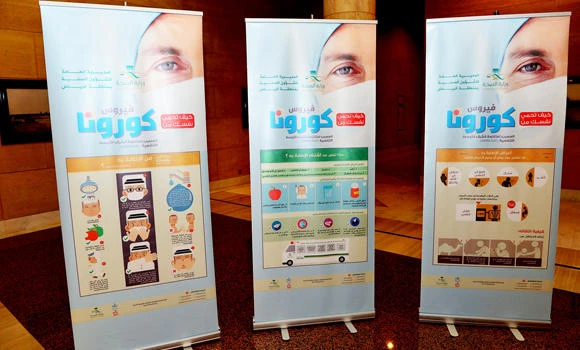
Meanwhile, the ministry spelt out a set of guidelines to be practiced by citizens as well as residents as a precautionary measure.
The ministry has advised people to wash their hands with soap, avoid touching eyes and nose unnecessarily, and cough into a tissue or cover their mouths with their hands while coughing.
As a preventive measure, it also advised people to refrain from close contact with camels.
It also advised people with chronic diseases to avoid drinking camel’s milk.
The ministry called on all workers in health facilities to comply with instructions and apply preventive measures to create a healthy working environment.
During the period between Aug. 30 and Sept. 5, 29 out of 34 patients infected with the virus were from Riyadh. The other cases were three from Najran and two from Namas.
During the same period, MoH laboratories tested 2,301 samples.
The ministry has intensified its epidemiological survey in all parts of the Kingdom and especially in Haj areas where there will be a large concentration of pilgrims at a given time.
The Ministry of Agriculture announced Monday here that it is exerting all efforts to find out the cause of the virus and ways and means for its prevention. It cited a recent report that a study has found 81.5 percent of 8,000 camels were carrying antibodies, while 3.3 percent of them are likely to spread the virus to others. The study also revealed that there is a genetic similarity between the virus in camels and humans.
Teen among three MERS deaths