- For a generation that came of age amid rapid change, being Saudi is no longer defined by choosing between tradition and modernity, but by embracing both
RIYADH: Generation Z Saudis have grown up in a period of extraordinary transformation, witnessing the Kingdom’s social and economic changes unfold during their formative years. Straddling tradition and modernity, many young Saudis say their identity is shaped not by choosing one over the other, but by finding ways to embrace both.
From studying abroad and pursuing creative careers to building new communities and exploring new forms of self-expression, Gen Z is redefining what it means to be Saudi while remaining deeply connected to the values they inherited.
“Forward-looking while remaining deeply rooted,” Lamar Mufti, 25, told Arab News.
“Our parents’ generation was often limited to playing the one card they were dealt, while my generation can choose from the entire deck, and shape those choices into an identity of our own.”
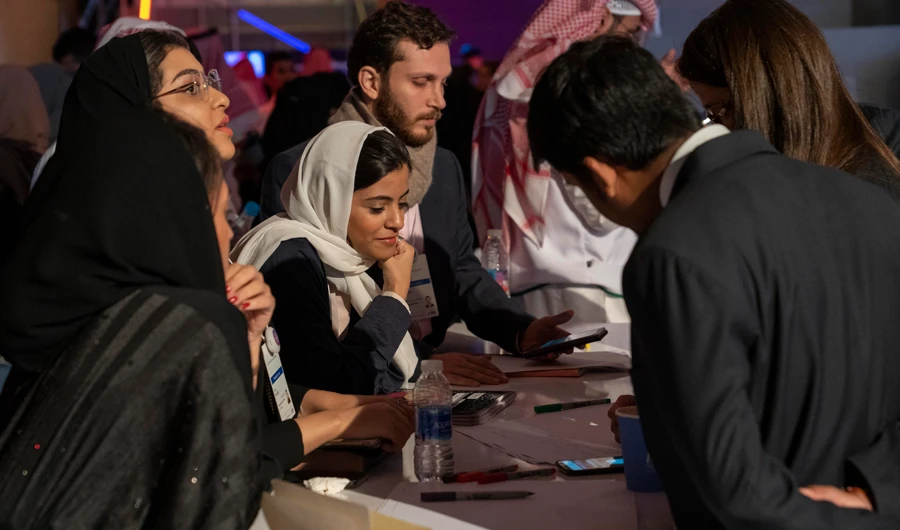
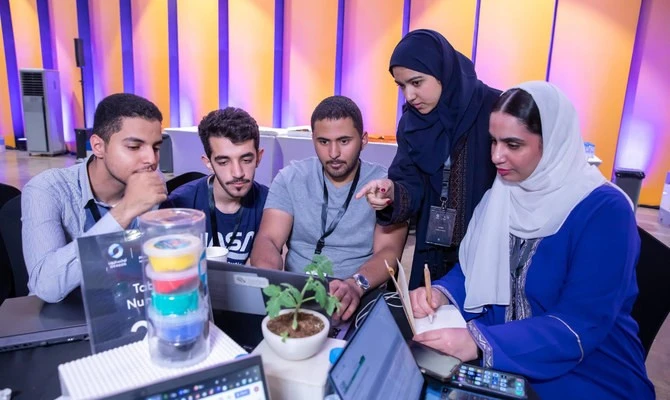
The shift is evident across Saudi society. Coffee shops have become hubs for entrepreneurs, artists and young professionals. Mixed groups gather to socialize, collaborate and exchange ideas in ways that would have been uncommon just two decades ago — when segregation was the norm and traditional jobs were the only choice. Today, choice is a prerogative.
For Mufti, however, the changes are about more than greater freedom of choice.
“While Vision 2030 is not something our generation created, we have been playing a significant role in bringing it to life. Whenever I hear the phrase, I immediately think ‘Saudi Arabia.’ I believe future generations will see our contribution to this period of change as something distinctly Saudi,” she said.
At the same time, she believes certain traditions must be protected.
For Mufti, the strong sense of community that has long defined Saudi society is among the values most worth preserving.
“I feel this connection has gradually weakened over time, particularly as technology has encouraged people to become more isolated and individualistic. It is a tradition I believe my generation is slowly moving away from, but one that remains deeply valuable and worth protecting.
“Although we are navigating somewhat of an identity crisis amid rapid change, that uncertainty has encouraged many of us to reconnect with our roots and preserve our traditions more intentionally. In doing so, we are shaping a more unified Saudi identity, one that embraces people from different regions while still celebrating what makes each of us distinct.”
An artist, Mufti has explored many of these themes in her work. Her series “Beyond the Mirage” and “Between Structure and Sea” examine cultural identity, Islamic geometry, grief, the erosion of tradition and the evolution of humanity, reflecting her experiences of growing up in a changing Saudi Arabia.
For Moneera Alateek, 28, questions of identity were shaped by a childhood spent abroad.
The daughter of a diplomat, she lived in eight countries while growing up, an experience that frequently required her to explain Saudi Arabia and Saudi culture to people who knew little about either.
“Growing up meant constantly moving and adapting to new places,” she said.
But that also meant constantly responding to misconceptions.
“Saudi” often felt less like a nationality and more like a concept others had already formed opinions about.
“I was representing an entire country without choosing to,” she said.
One recurring topic was what it means to be a Saudi woman.
“There has always been a very specific image of Saudi women abroad, especially in Western countries. Sometimes people assume Saudi women have no agency, no education, no careers, or no ambitions of their own. I would find myself explaining that Saudi women aren’t one type of woman. We have completely different personalities, ambitions, families, careers and ways of living, just like women anywhere else.”
Misconceptions extended to the Kingdom itself.
“There were also assumptions that because Saudi is wealthy from oil, people must somehow be less educated, less exposed to the world, or disconnected from modern life,” she said.
Her own experience challenged many of those stereotypes.
A young Saudi woman with a master’s degree who has lived in Asia, Europe and the US, Alateek said her international upbringing strengthened, rather than diluted, her connection to home.
“I grew up moving around the world, interacting with different cultures and studying in different countries, while still being very connected to Saudi culture and my Saudi identity. Those things don’t have to contradict each other,” she said.
Living abroad also helped her identify the values she carries with her wherever she goes.
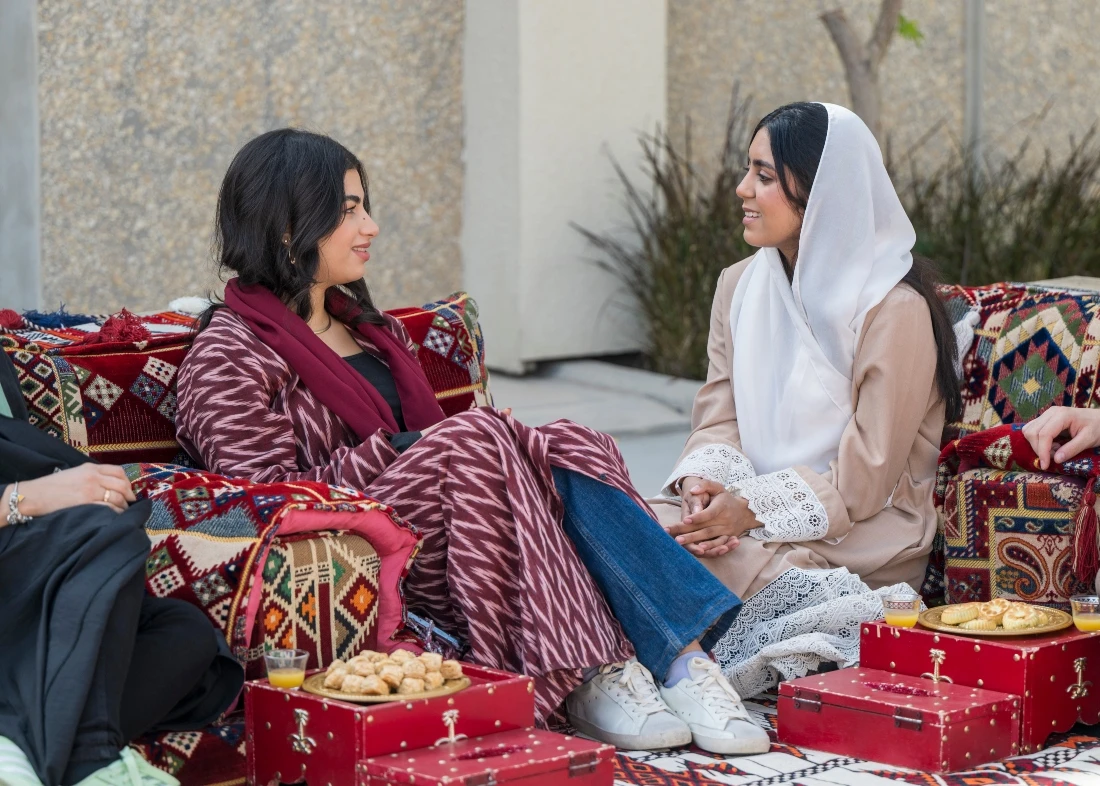
“For me, it shows up strongly in generosity and hospitality, how we treat guests, how connected we are to our families, the importance we place on taking care of parents and elders, how naturally people offer food or help, and how religion is integrated into everyday life rather than being something completely separate from it,” she said.
Rather than clothing, customs or symbols, it is those values that she sees as the foundation of Saudi identity.
“I think our generation is adding another layer to Saudi identity; we’re incredibly ambitious and open to change, but we don’t want progress to mean losing where we came from. For me, Saudi identity is being deeply rooted while constantly moving forward,” she said.
Joori Abdulaziz, 21, has witnessed another dimension of that evolving identity through her role as president of the Saudi Student Association at her university in the US.
“Being Saudi in 2026 means having opportunities that may not have felt as accessible to my parents’ generation, especially the opportunity to pursue higher education abroad,” she told Arab News.
“Today, students like me are increasingly encouraged to take that leap, become independent, and learn more about themselves while living away from home.”
Programs such as those offered by the Misk Foundation have helped create spaces where young Saudis can connect, collaborate and discover new possibilities beyond familiar surroundings.
“The parts of my identity that feel inherited are my respect for others and my generosity. To me, respecting people means respecting their decisions, privacy, and the ways they choose to live their lives. Generosity can mean offering someone a helping hand, sharing food, or introducing others to my culture.”
For Abdulaziz, modern Saudi identity is also tied to personal growth and self-discovery.
“I have learned to pursue the things that genuinely excite me, whether that means joining a particular campus organization, choosing how I dress, or developing my own outlook on life. In Saudi culture, people can sometimes become very concerned with their image and how others perceive them … Learning to let go of that pressure and make choices for myself has been an important part of shaping my identity,” she said.
She also points to the emergence of new forms of social connection.
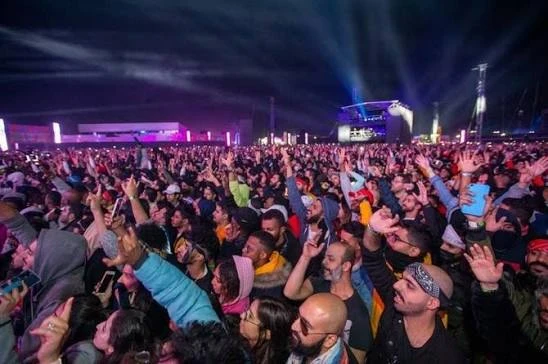
Recently, running clubs, music events and professional workshops have created informal spaces for people with shared interests to meet and build communities.
“That kind of casual community-building feels relatively new and refreshing,” she said.
“I also see this openness in everyday forms of self-expression. Patterned abayas, colorful hijabs and different personal styles give people more opportunities to express their individuality while still remaining connected to Saudi culture. These changes show that there is no longer only one image of what a Saudi person is expected to look or act like,” Abdulaziz said.
While Saudi identity continues to evolve, she believes younger generations are finding ways to carry their culture with them while engaging more openly with the world.
“Saudi ambition is not new, but I think our generation has found new ways to express it by building communities, pursuing opportunities around the world, and sharing our culture rather than keeping it only among ourselves,” Abdulaziz said.
The young leader also hopes that generosity, long associated with Saudi hospitality and community life, remains a defining characteristic of future generations.
At the same time, she worries that some of the openness that once accompanied that generosity may be fading.
“My older siblings have told me that people in some Saudi neighborhoods used to leave their doors open in case a neighbor or visitor wanted to stop by. Although we may not be able to continue that exact practice today, I think it represented a willingness to welcome others and form connections.
“Although this does not apply to everyone, I think our generation sometimes preserves the appearance of generosity without always maintaining the same openness toward people who are different from us.”
For many members of Gen Z, Saudi identity is ultimately less about a fixed definition and more about a balance between continuity and change.
Whether expressed through art, education, entrepreneurship or community building, young Saudis are increasingly defining themselves not by choosing between tradition and modernity, but by carrying both forward at the same time.