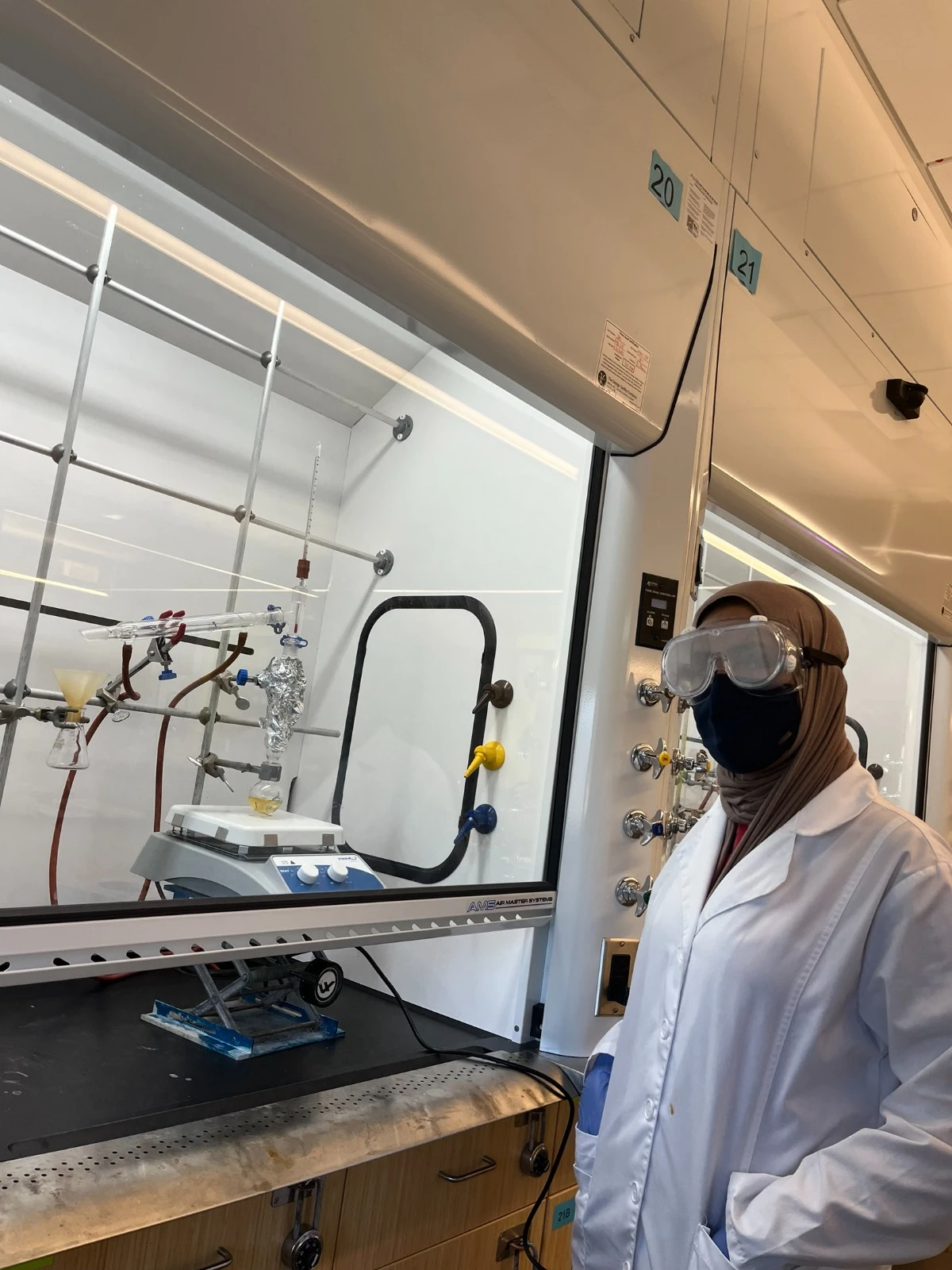
- Graduate programs combine biology, engineering and bioinformatics to address health challenges in Saudi Arabia
- Faculty and students see opportunities to turn findings on inherited diseases into better diagnostics and treatments
JEDDAH: King Abdullah University of Science and Technology’s new biomedical sciences division aims to strengthen links between laboratory research and clinical care in Saudi Arabia, with women accounting for nearly three-quarters of its provisional student intake.
The division, KAUST’s fourth, opened this year with graduate programs combining biology, engineering and bioinformatics. Neurologist Peter Goadsby was appointed its founding dean and senior associate to the president.
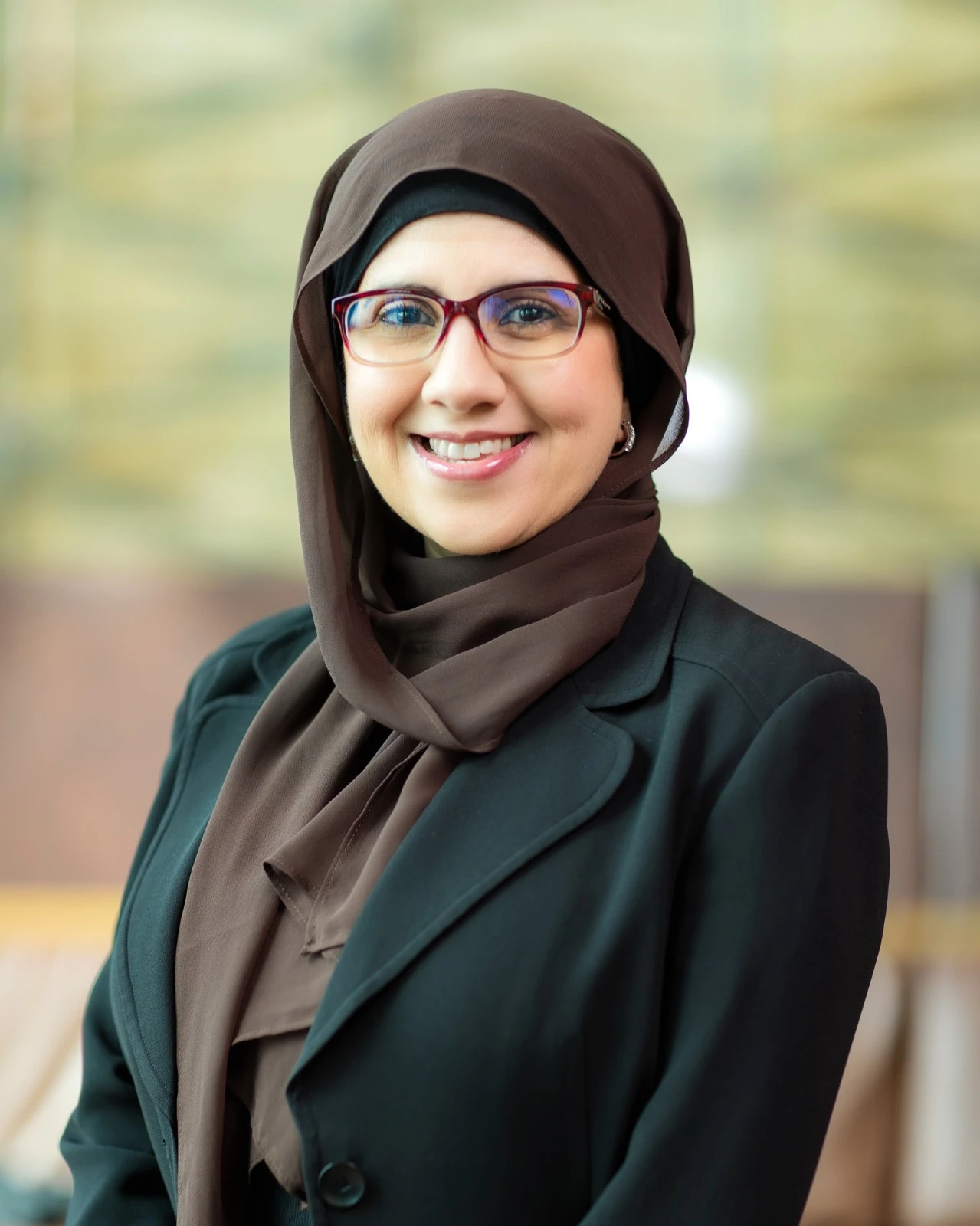
Jasmeen Merzaban, a professor of bioscience and a founding faculty member at KAUST, said students had been asking for more opportunities to study human biology long before the division opened.
“We kept seeing that many incoming students were specifically interested in studying human biology; they wanted to be involved in research that would directly improve human health and well-being,” she told Arab News.
Merzaban attributed the high proportion of women in the provisional intake to years of mentorship and to seeing women advance into roles such as full professor, laboratory manager and senior vice president.
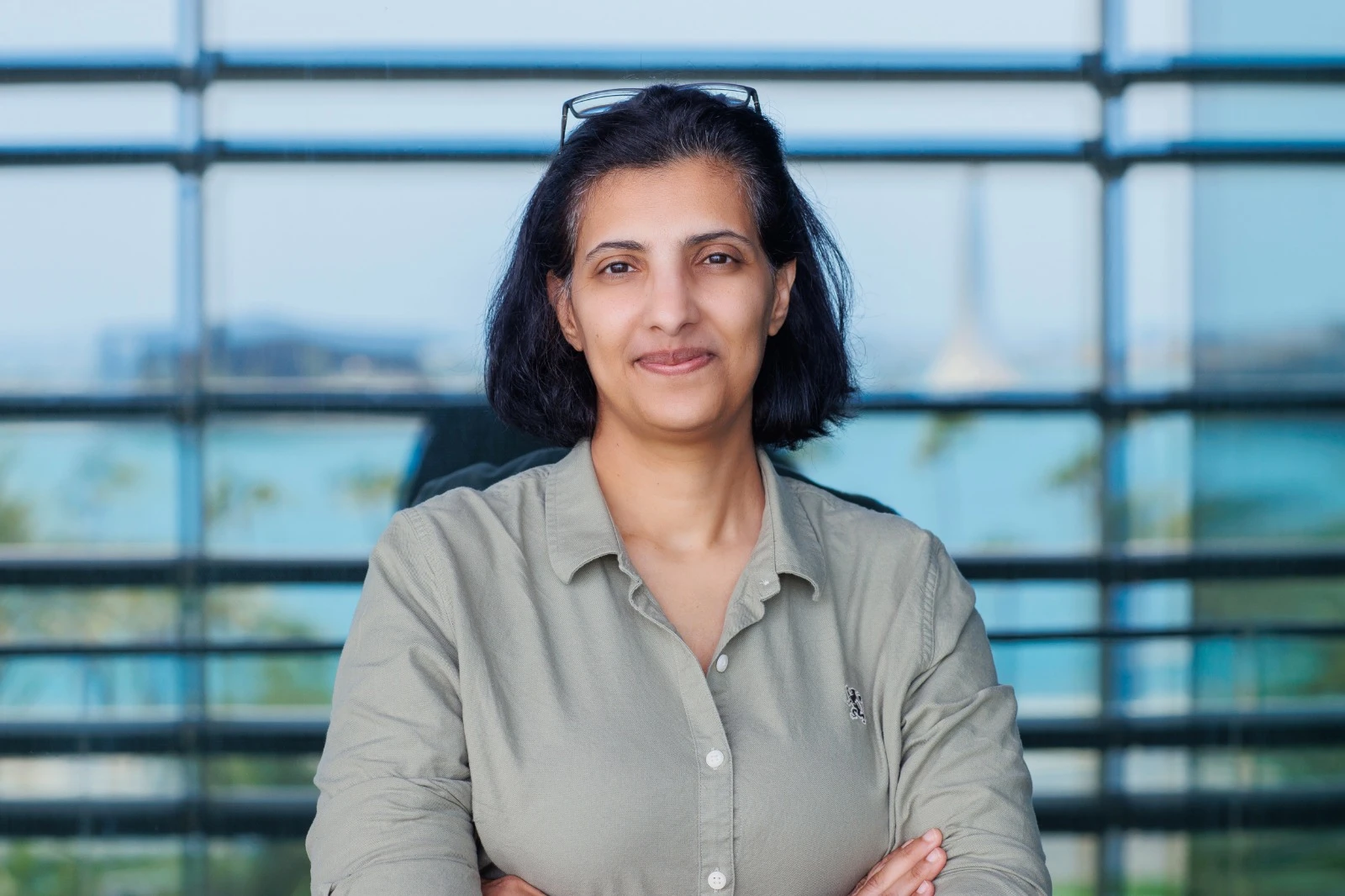
Nouf Laqtom, an assistant professor of bioscience who heads KAUST’s Subcellular Metabolism and Disease Laboratory, said women had long been well represented in biomedical education in the Kingdom. What had changed, she said, was where they could pursue advanced training and the kinds of questions they could investigate.
“When I was at this stage of my career, I had to travel internationally to access the specialized training, technologies, and research environment I needed in biomedical science,” she said.
The division opened as Saudi Arabia seeks to become a regional biotechnology hub by 2030 and a global competitor by 2040 under its National Biotechnology Strategy, launched in January 2024.
Laqtom said one of the division’s priorities was to help researchers investigate questions that arise in clinics, from why a patient develops a particular condition to whether a genetic finding could lead to an earlier diagnosis.
“We have excellent clinicians, but we need stronger biomedical research capacity to take a question or observation from the patient, investigate the underlying genetic cause or biological and pathological mechanisms, and ultimately translate that knowledge into better diagnostics, biomarkers, prevention strategies, or therapies,” she said.
The Saudi Human Genome Program, launched in 2014 by King Abdulaziz City for Science and Technology, set out to sequence 100,000 Saudi genomes to investigate the genetic basis of rare diseases. By April 2022, it had sequenced more than 56,000 samples.
Laqtom said KAUST could build on that work by combining computational genomics and artificial intelligence with laboratory experiments to understand how genetic variants affect cells and contribute to disease.
Merzaban said her team’s collaborations already showed how different disciplines could tackle the same medical problem.
“Cell biologists from my lab have collaborated with an electrical engineer to develop a sensor for in vivo drug monitoring and with an organic chemist to design nanodevices for cancer drug delivery,” she said.
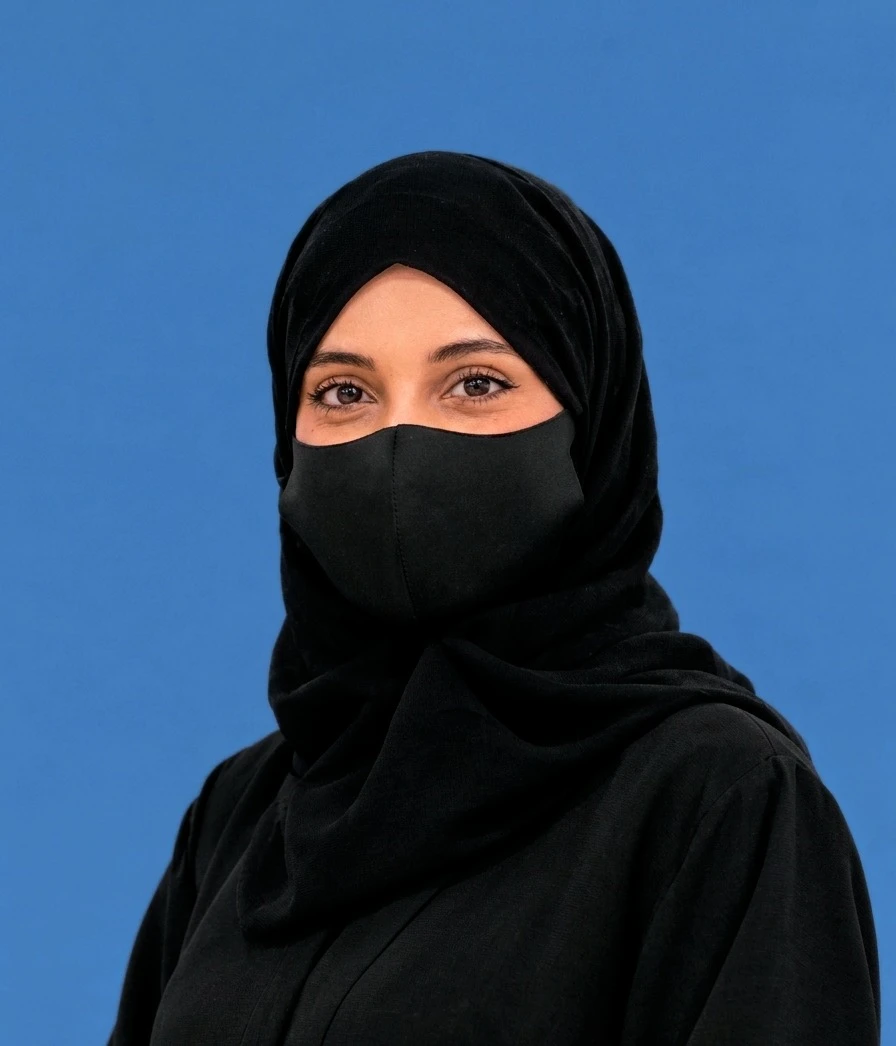
For Rahaf Al-Sufari, a cellular and molecular biologist from Jeddah pursuing a master’s degree in bioscience at KAUST, the effects of sickle cell disease on families in Saudi Arabia made genetics a personal subject.
“Learning about how genetic diseases like sickle cell disease affect families in our region made genetics feel real to me,” she said. “It showed me how much of a patient’s outcome depends on research that still needs to be done.”
Al-Sufari said she wanted to see more research into inherited blood disorders and how findings from Saudi laboratories could improve care for patients.
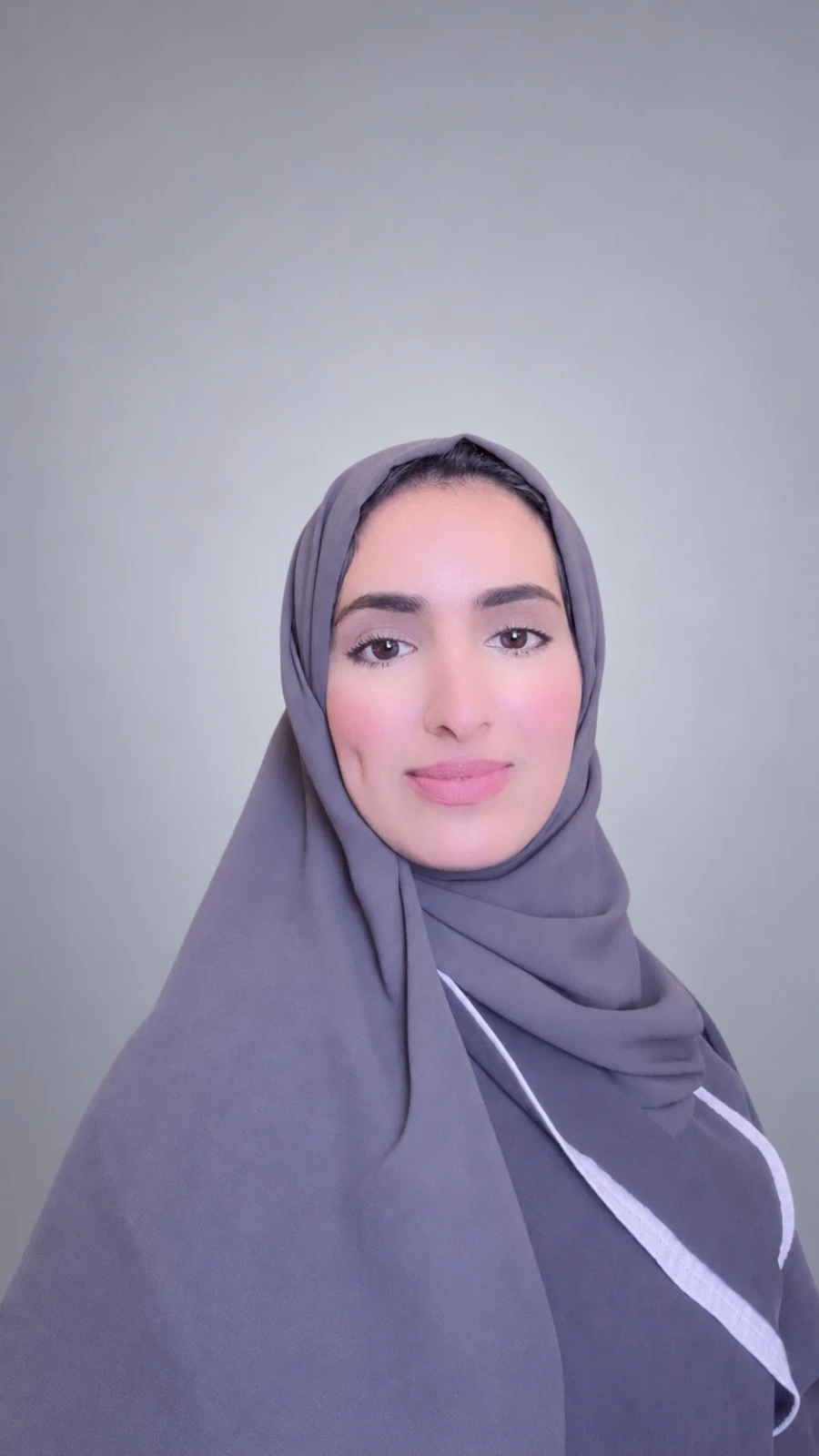
Shahad Kurdi, a Saudi biomedical scientist pursuing a master’s degree in bioengineering with a focus on bioinformatics and machine learning, came to research through clinical laboratory science.
“I became fascinated by how something as small as a change in DNA, RNA, or a biomarker could give us information about a person’s health,” she said.
Kurdi wants to help generate more data from Saudi patients to give researchers a clearer picture of how genetic variation affects health in the Kingdom.
“Saudi Arabia has a unique population and genetic landscape, and I think there is enormous potential in generating and analyzing data that is relevant specifically to our population rather than relying entirely on datasets generated elsewhere,” she said.
Laqtom said she would measure the division’s success in five years by where its graduates go and what they do. She hopes to see Saudi scientists take on leadership roles in universities, hospitals, research centers and biotechnology companies, with some starting businesses of their own.
For Merzaban, the priority is whether graduates leave with the skills and mentorship they need to pursue their own research goals.
Al-Sufari said the proportion of women in the provisional intake reflected years of investment in Saudi women in science. She is already thinking about what that could mean for the students who follow.
“The real test is what happens next: whether we become the mentors and lab leads who make the next cohort even bigger.”