The Ministry of Health (MoH) on Friday reported two deaths from the Middle East Respiratory Syndrome (MERS) and two more new cases of the coronavirus across the Kingdom.
These bring to 805 the total number of laboratory-confirmed MERS infections in Saudi Arabia since 2012, of which 342 patients have died.
The latest World Health Organization (WHO) report on MERS showed 909 confirmed cases it had received from various countries so far. Only about 20 deaths had been reported from other countries.
The two recent deaths were of a 29-year-old expatriate male in Sakaka and a 70-year-old Saudi woman in Al-Kharj, some 60 km from the capital.
The recent MERS cases were found predominantly in Madinah, Riyadh, Sakaka, Al-Kharj, Taif, Jeddah, Al-Jouf, Najran, Hofuf, Hafr Al-Batin and Jubail.
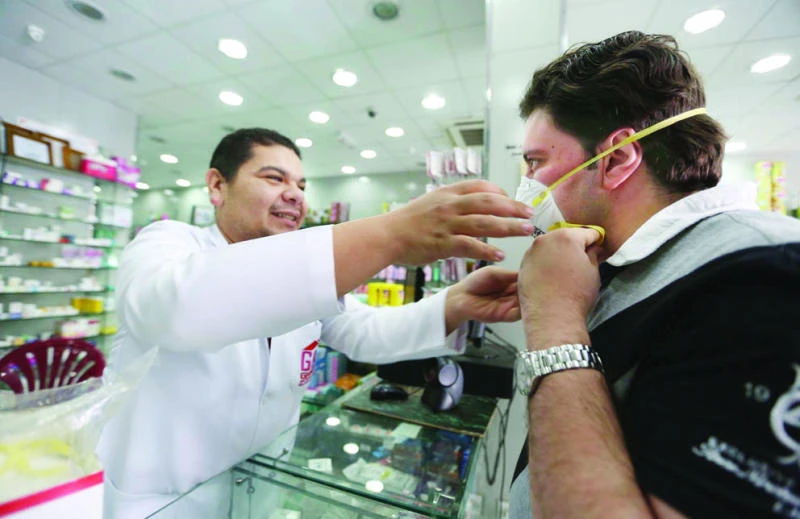
Considering the spike in sporadic cases of the virus in parts of the Kingdom, the MoH has reiterated its appeal to the public to take preventive measures.
It has advised the public to avoid contacting infected camels, refrain from visiting MERS-infected persons and follow basic hygiene such as hand washing before meals.
According to MoH reports, the total number of patients recovered fully from the disease stands at 447, while 17 are currently taking treatment in hospitals across the Kingdom.
The ministry recently launched a countrywide awareness campaign on coronavirus in cooperation with the World Health Organization (WHO), as soon as Adel Fakeih assumed charge as the acting health minister.
As part of the efforts to prevent a pandemic, the MoH has taken a series of prompt and strong measures to curb the spread of MERS-CoV virus in the summer resort city of Taif. There were more than 15 cases of the infection in the Taif area over the last two weeks.
Based on the current situation and available information, the WHO encourages all member states to continue their surveillance for acute respiratory infections and to carefully review any unusual patterns.
Infection prevention and control measures are critical to prevent the possible spread of MERS-CoV in health care facilities, WHO officials stated. It is not always possible to identify patients with MERS-CoV early because, like other respiratory infections, the early symptoms of MERS-CoV are non-specific.
Therefore, WHO stated that health-care workers should always apply standard precautions consistently with all patients, regardless of their diagnosis.
Until more is understood about MERS-CoV, people with diabetes, renal failure, chronic lung disease, and immunocompromised persons are considered to be at high risk of severe disease from MERS-CoV infection.
People suffering from those ailments should avoid close contact with animals, particularly camels, when visiting farms, markets or barn areas, where the virus is known to be potentially circulating, WHO officials said.
General hygiene measures, such as regular hand washing before and after touching animals and avoiding contact with sick animals, should be adhered to, they added.
Food hygiene practices should also be observed.
The public should avoid drinking raw camel milk or camel urine, or eating meat that has not been properly cooked.