From resins to rare oils, these notes are among the most common in Middle Eastern fragrances.
Oud
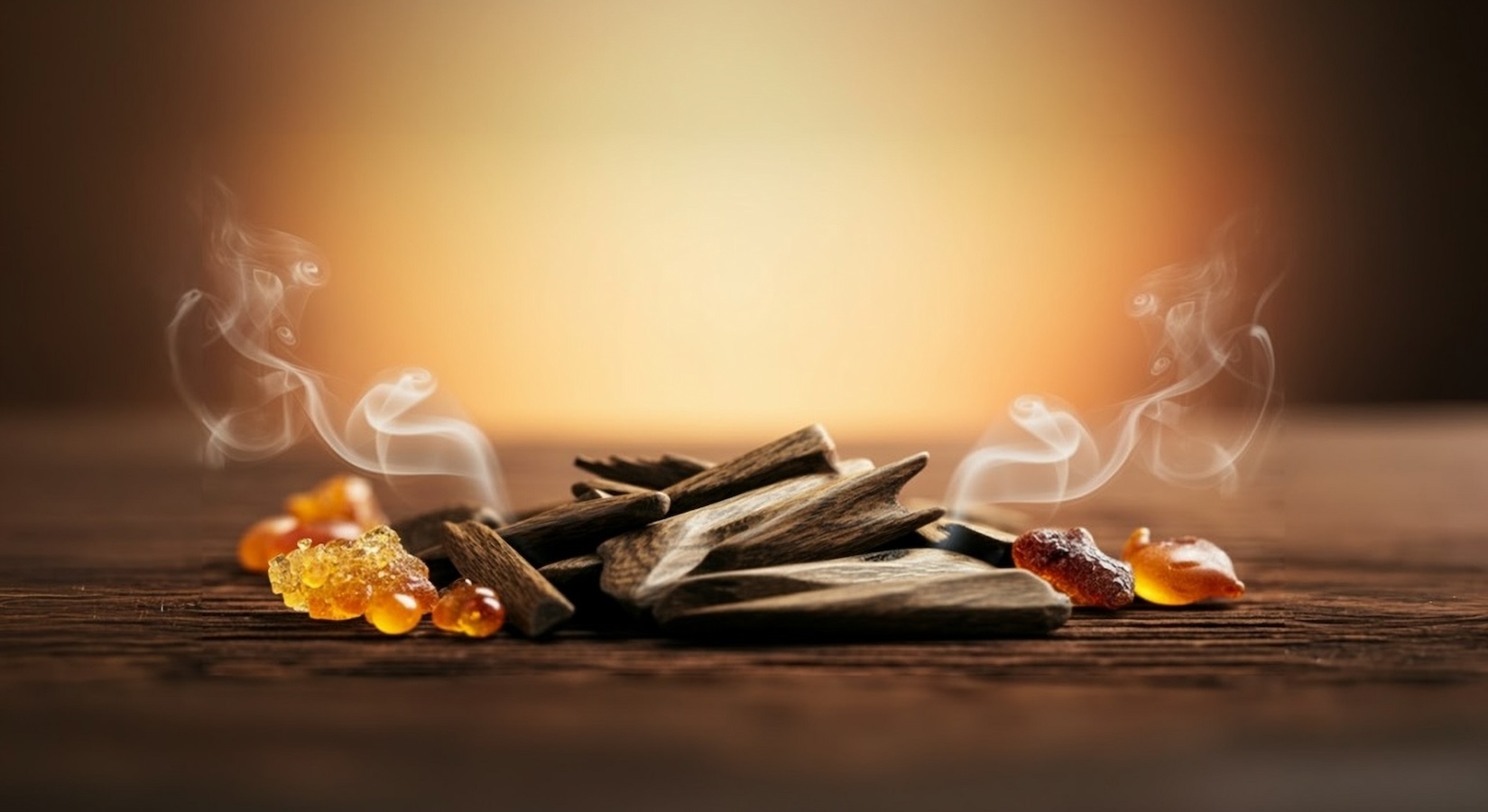 Drawn from the resin-soaked heartwood of the agar tree, oud is a mainstay of Arab perfumery and now features in collections by houses including Dior and Tom Ford.
Frankincense
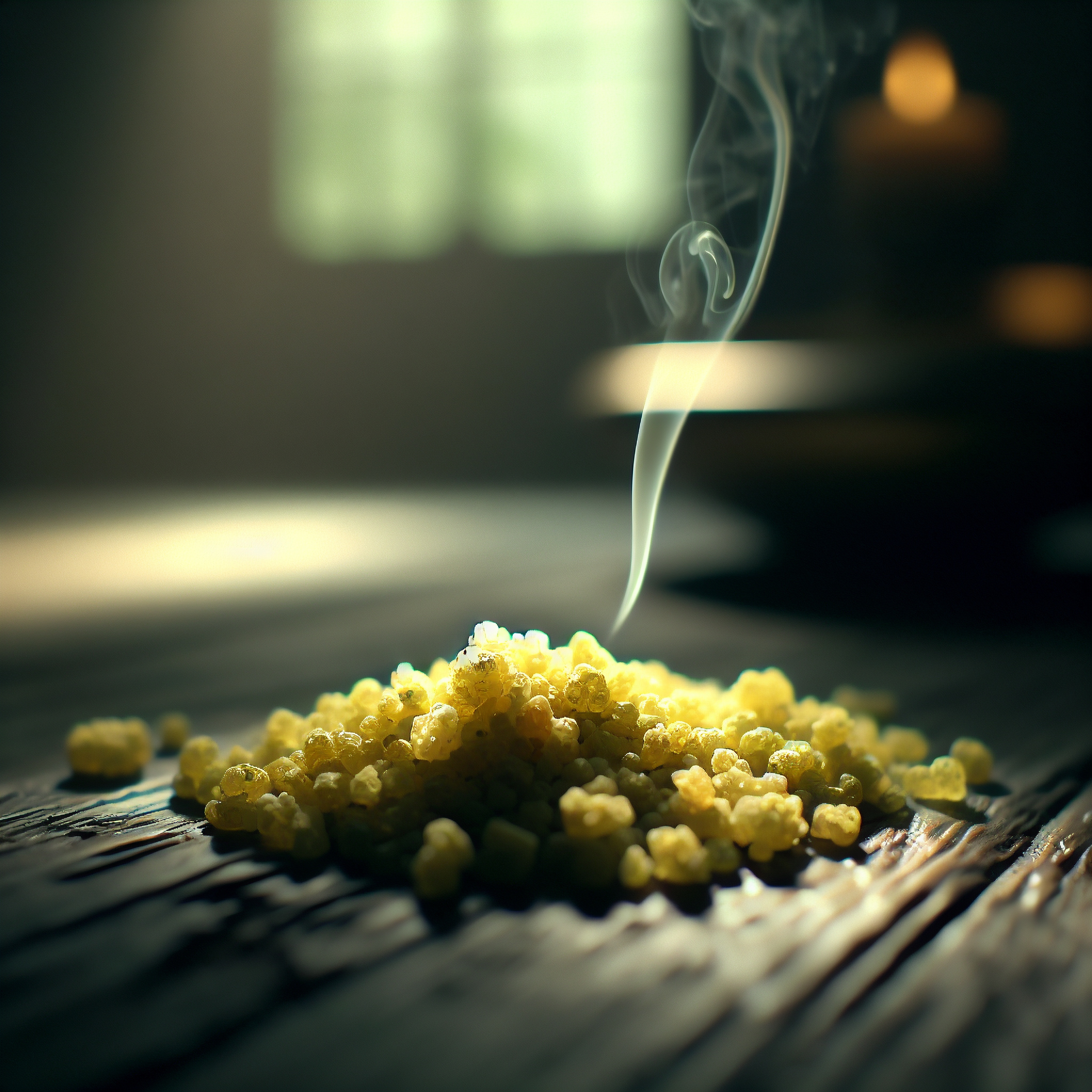 Harvested from Boswellia trees in Oman’s Dhofar region and Yemen, the resin has been used in the region for centuries and adds smoky warmth.
Taif rose
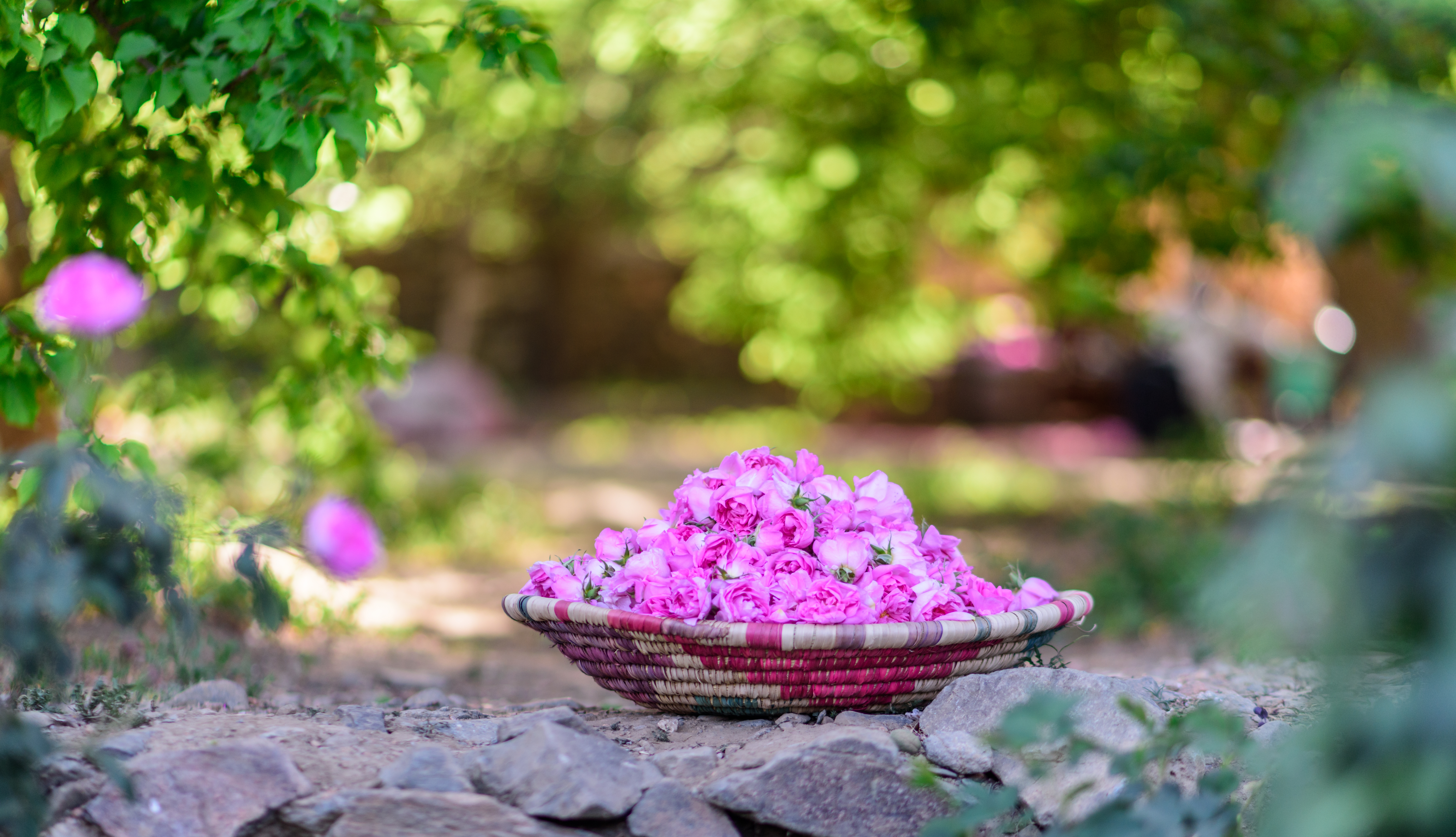 Grown on mountain farms around Taif in Saudi Arabia, the Damask rose is harvested each spring and distilled into an oil prized by perfumers.
Myrrh
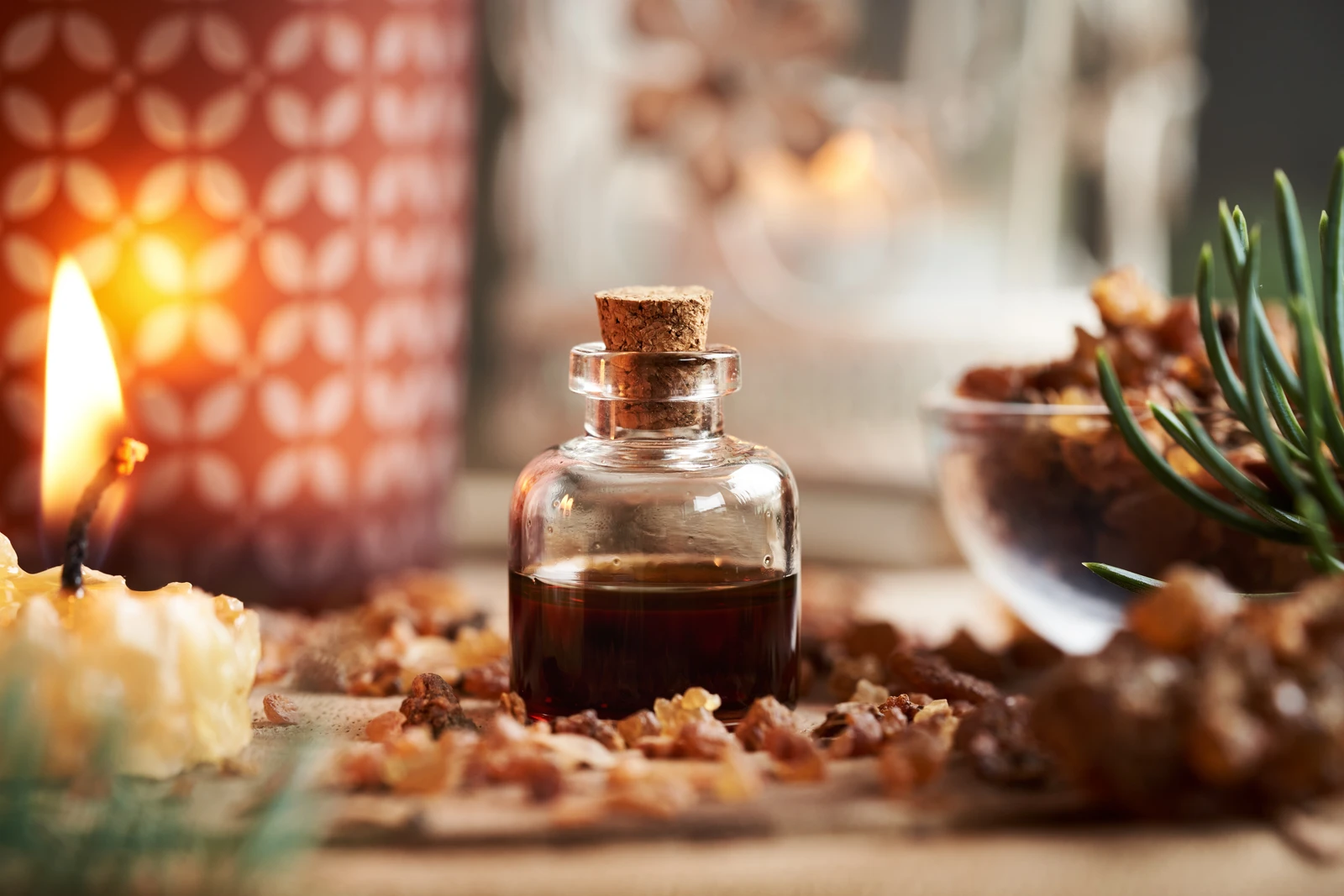
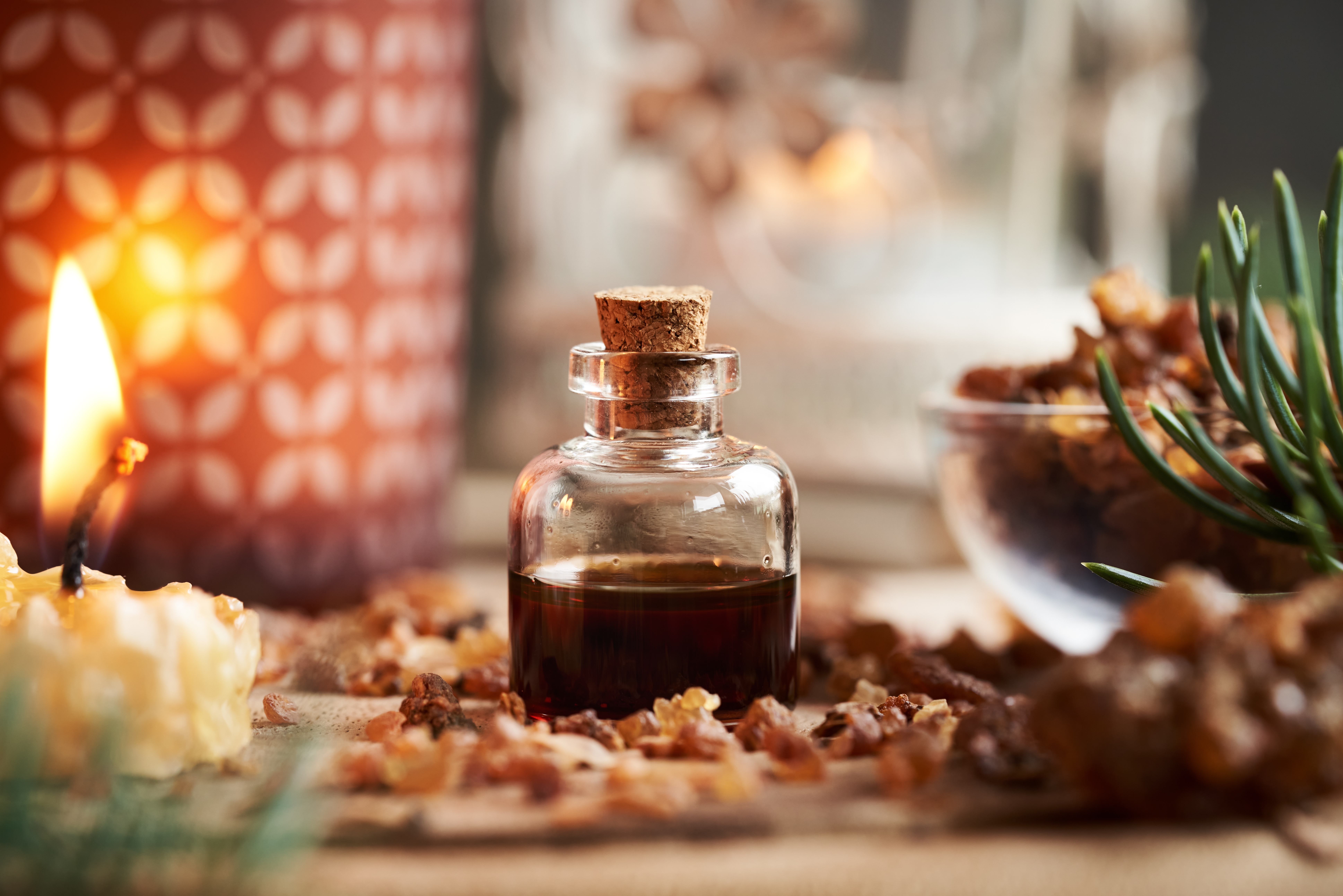 Called “murr” in Arabic, meaning bitter, the resin has long been used in the region’s incense and perfume blends and lends a balsamic depth.
Ambergris
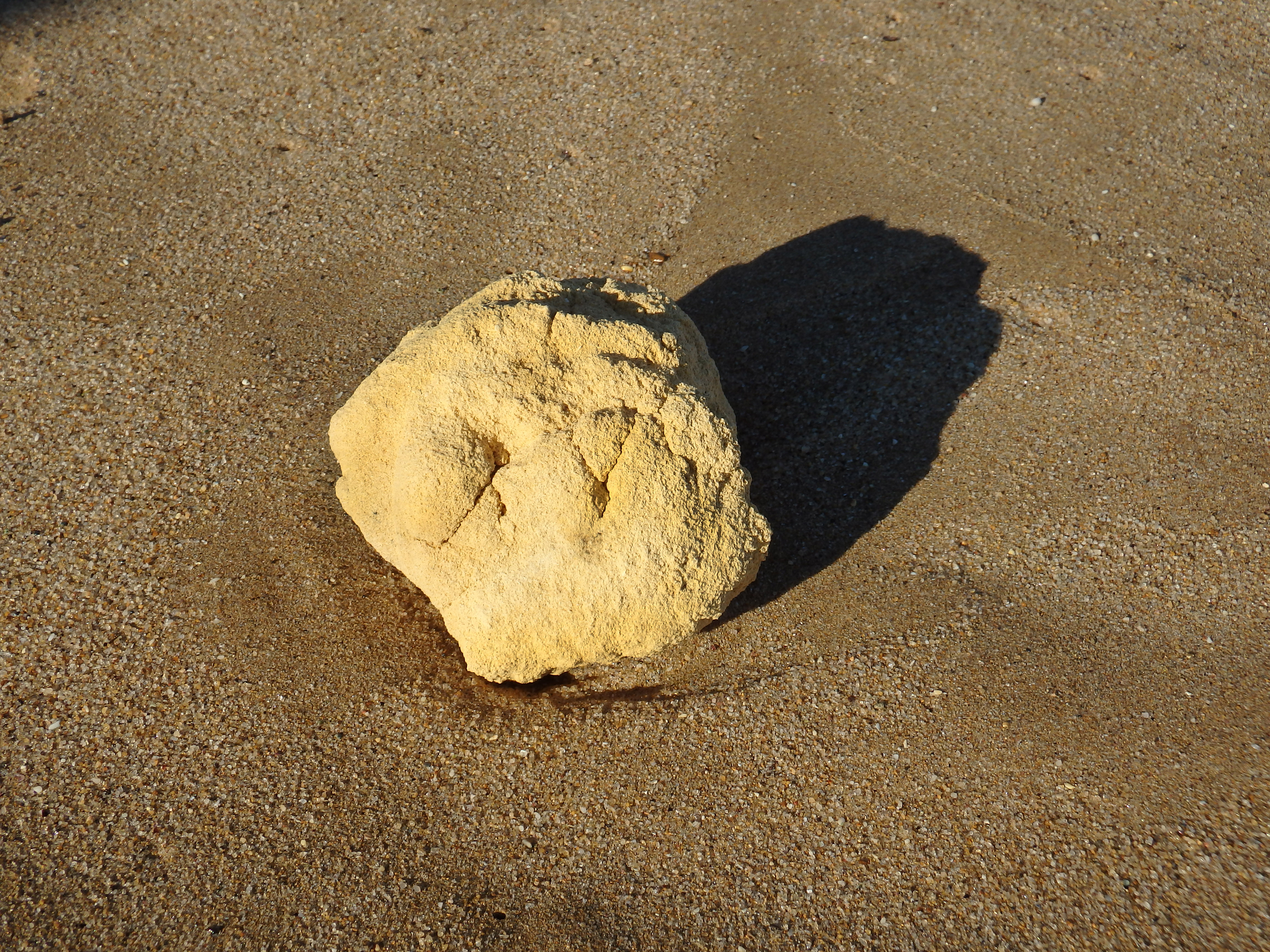 Known in Arabic as “anbar,” the waxy substance forms in sperm whales and helps fix scents to skin, though perfumers now mostly use synthetic versions.
Saffron
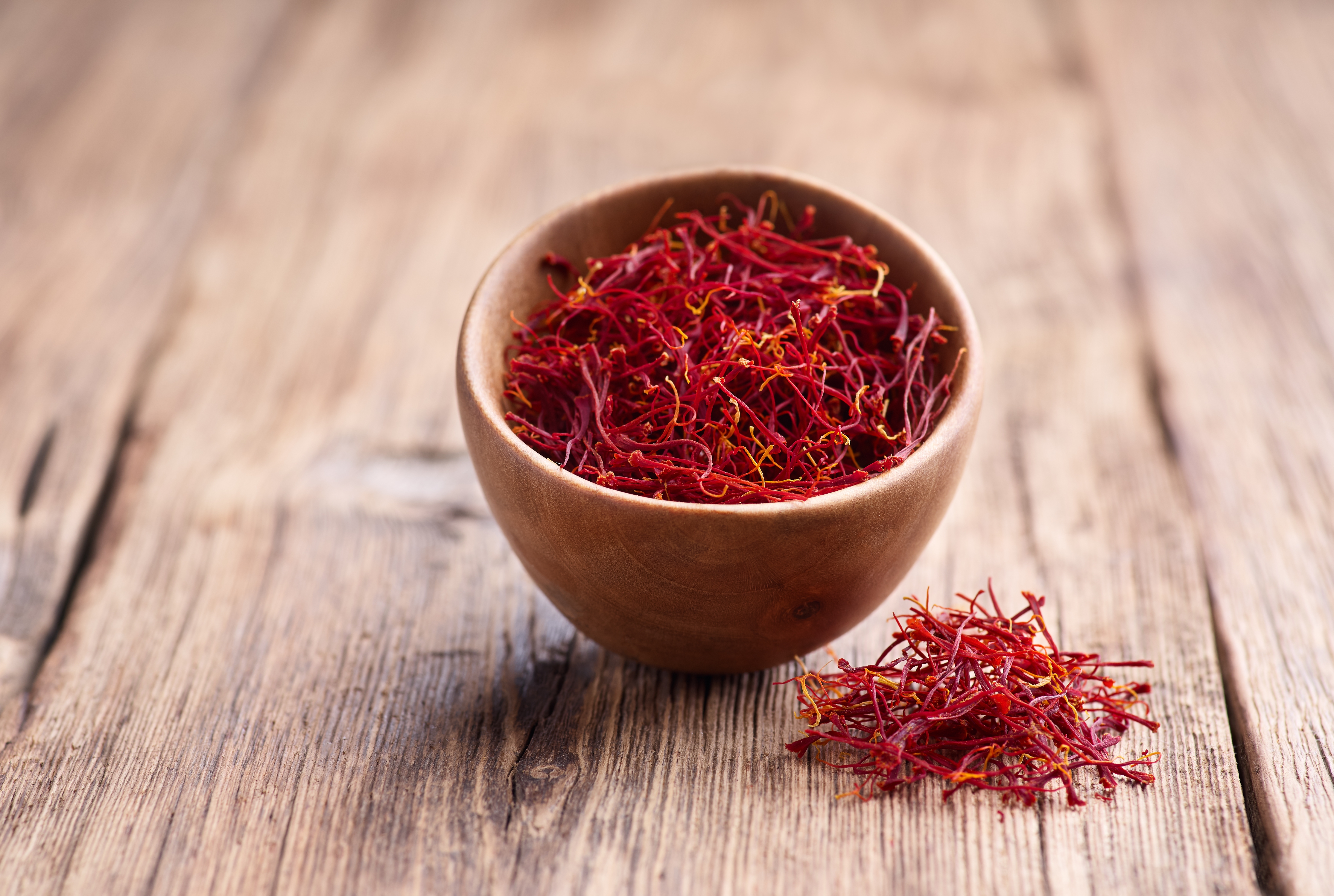 A staple of Middle Eastern perfumery, saffron, or “za’faran” in Arabic, adds a leathery, honeyed note and is often paired with oud and rose.