MANILA/MONROVIA/DAKAR: The World Health Organization says East Asia, with its trade and transport hubs and armies of migrant workers, remains at risk of the entry of Ebola but is beefing up its defenses against the virus.
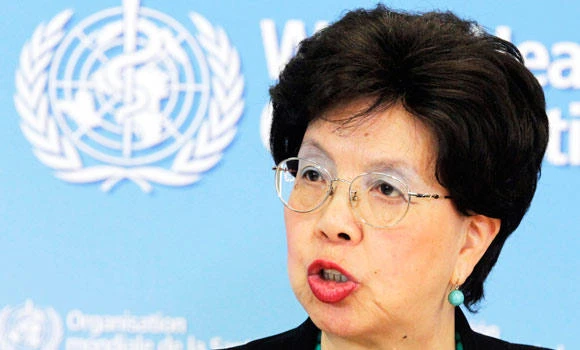
WHO’s regional director for the Western Pacific, Shin Young-soo, also said Friday that East Asia is more prepared than other regions to respond to Ebola because its past experience with SARS taught the importance of public education, strong surveillance and transparency.
He said countries in the region are developing an infrastructure to prepare for Ebola. The region so far remains free of the disease.
An outbreak of severe acute respiratory syndrome, or SARS, began in southern China in 2002 and infected about 8,000 people worldwide, killing nearly 800.
In Liberia health systems which were already struggling to tackle issues ranging from malaria to complicated pregnancies before Ebola have been utterly overwhelmed.
Many clinics became places of infection rather than treatment so were closed down. Health systems have been gutted of personnel, some too afraid to come to work while others have succumbed to the deadly virus.
Liberia had only had around 50 trained doctors for the country's 4 million people before the outbreak of Ebola struck.
According to the latest figures from the World Health Organization, across the region, 382 healthcare workers have caught Ebola. Of these, 216 have died, with Liberia and Sierra Leone being hit particularly hard.
Over six months into the Ebola outbreak, the global response is slowly picking up steam. Hundreds of millions of dollars in aid and equipment have been pledged and new beds for Ebola patients are gradually being rolled out.
Liberia is gradually scaling up the number of emergency treatment centers from six at present to around 20, a development for those without Ebola as well as those with it.
“The purpose of increasing the number of Ebola treatment units is (also) to allow medical staff at other facilities to know that they are safe when treating other patients,” said Sean Casey, emergency team director at International Medical Corps, which runs a treatment centre outside Monrovia.
Casey cited the case of a man who tested negative for Ebola but was referred to another clinic to be checked for tuberculosis. “We had to intervene directly with the hospital director to demonstrate this man did not have Ebola and only then did they eventually accept to treat him,” Casey said.
East Asia prepared but at risk of Ebola: WHO