JIMBARAN, Indonesia: Indonesian police yesterday moved to ease fears of a terror threat to the 10-year commemorations of Bali bombings, after a top security alert was declared for the event that Australia’s prime minister will attend.
Having cited “credible information” of terrorists plotting against the Friday ceremony to mark a decade since bombs tore through two nightspots killing 202 people, mostly foreigners, Bali’s deputy police chief played down the alert.
“The indication (of a terror threat) is still under the watch of the intelligence (service). What we need to do is to watch people in the venue,” I Ketut Untung Yoga Ana said, adding that “so far, what we can say is that this is not a significant matter”.
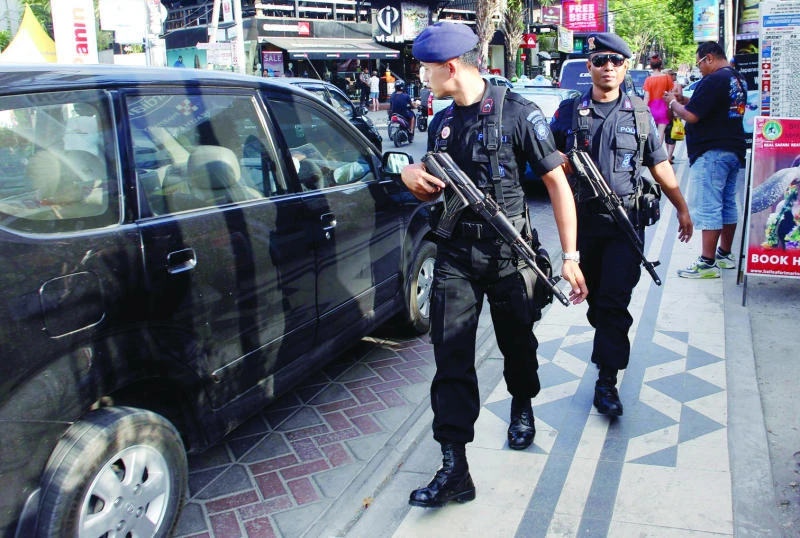
Some 2,000 police and military personnel including snipers were deployed to ensure Friday’s commemorations pass peacefully, with truckloads of security forces seen entering the area where the service will start at 8 a.m.
Bali military command spokesman Win Handoko said his forces were always on “the watch out” for attacks, but added “there is no significant threat and Bali is safe”.
Australian premier Julia Gillard reiterated her intention yesterday to attend the memorial despite the possible terror threat, saying “I want to be in Bali”.
“We would give everything to erase the events of that night, from the page of history,” she said.
“But we cannot. We will carry the images of Bali on Oct. 12, 2002, for the rest of our days. Its horror and its meaning are imprinted on all of our hearts forever. Tomorrow and always we will remember.”
Meanwhile, mourners gathered yesterday at a memorial to the dead in Kuta, which is inscribed with the names of the victims, many laying flowers and shedding tears for loved ones.
Some expressed fears over attending Friday’s ceremony following the terror alert, despite reassurances from security officials and pledges that everyone entering the service would be thoroughly screened.
But others said nothing would deter them from honoring their dead relatives.
The bombings in the predominantly Muslim nation by the Al-Qaeda-linked group Jemaah Islamiyah opened an Asian front in the war on terrorism one year after the 9/11 attacks on the United States.
Indonesia has won praise for its response to the attacks — and others in 2005 when another suicide blast killed 20 people as they dined at Bali’s beachfront Jimbaran district.
The resort’s fortunes bounced back after a massive slump in tourist numbers following the attacks, while all of the leading Bali perpetrators have either been executed, killed by police or jailed.
The nation has not seen a major attack since 2009 when blasts at two five-star hotels in Jakarta killed nine, and more than 700 JI members have been killed or put behind bars.
Indonesia downplays fears of Bali ceremony threat