ISLAMABAD: Internet abuse of women in Pakistan is triggering real world violence against them, but large social media companies, such as Facebook and Twitter, are moving too slowly to stop it, Internet rights group Bytes for All said.
Women face online threats globally, but they run a unique risk in conservative Pakistan, where there is a tradition of men killing women seen as having injured a family’s honor.
With law enforcement too weak to fight the violence sparked by online campaigns, activists want giant Internet firms to roll out greater protection for users, from streamlining how they tackle complaints to faster action against threats of violence.
“These technologies are helping to increase violence against women, not just mirroring it,” said Gul Bukhari of Bytes for All, and the author of a report released this week as Pakistan experiences a surge in sectarian hatred and attacks on minorities.
“A lot of the crime we are witnessing would not have been possible without the use of these technologies.”
There have been more than 170 complaints of cybercrime against women this year in Pakistan’s most populous province of Punjab, the Federal Investigation Agency says. No figures were available for the remaining three provinces.
None of the cases was successfully prosecuted because women usually reached a compromise with the suspect, said Syed Shahid Hassan, an official with the cybercrime office in the provincial capital, Lahore, where 30 employees work full-time.
Since police rarely act when women are harassed online, few cases are reported, activists say.
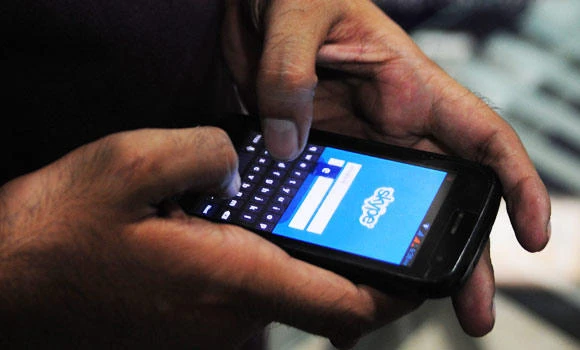
About 32 million of Pakistan’s 180 million people use the Internet, the group said in its report, mainly on mobile telephones. About 12 million are on Facebook and some 2 million use Twitter, domestic media say.
In one case documented by Bytes for All, an online hate campaign last year urging the rape and murder of a prominent human rights defender culminated in shots being fired at the woman and her husband.
She received hundreds of threats and the addresses of her family were posted online, along with pictures of her and her daughter.
“She suffered nightmares of being raped, of family members being harmed because of her,” the group said. Facebook took down the pages, but had to do so again when they were posted by a different user, the group said, and Twitter took a month to deal with her complaint.
Online abuse of women in Pakistan turns into real-world violence