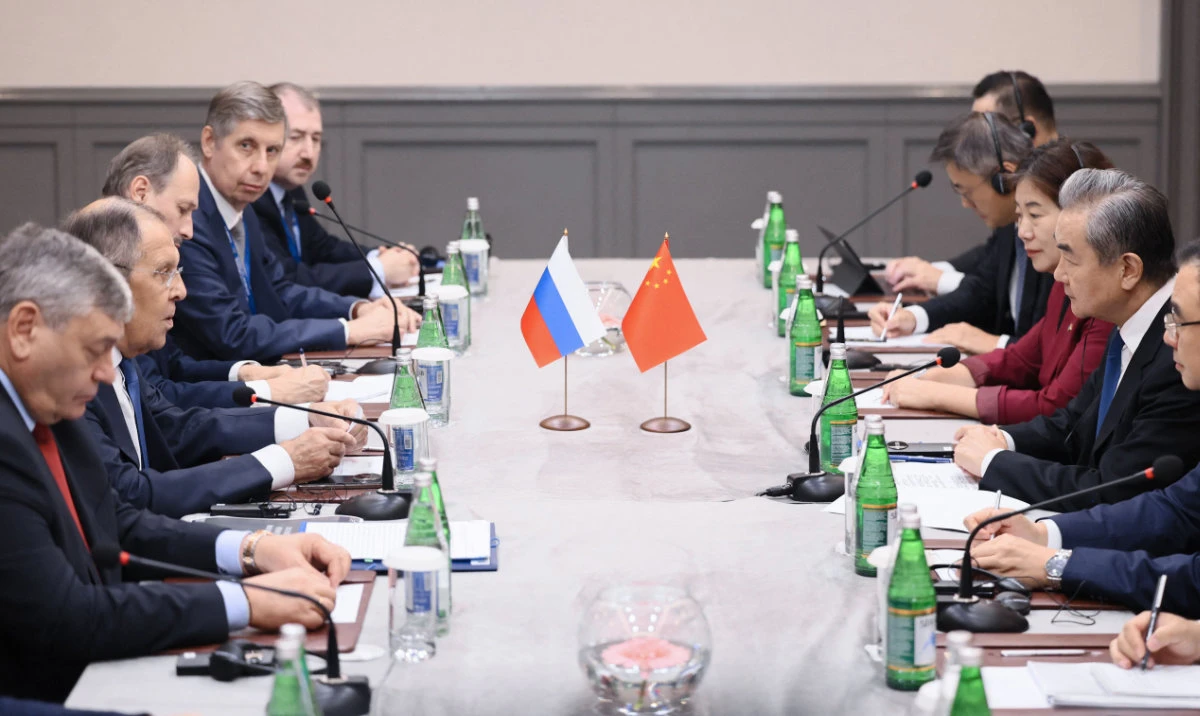
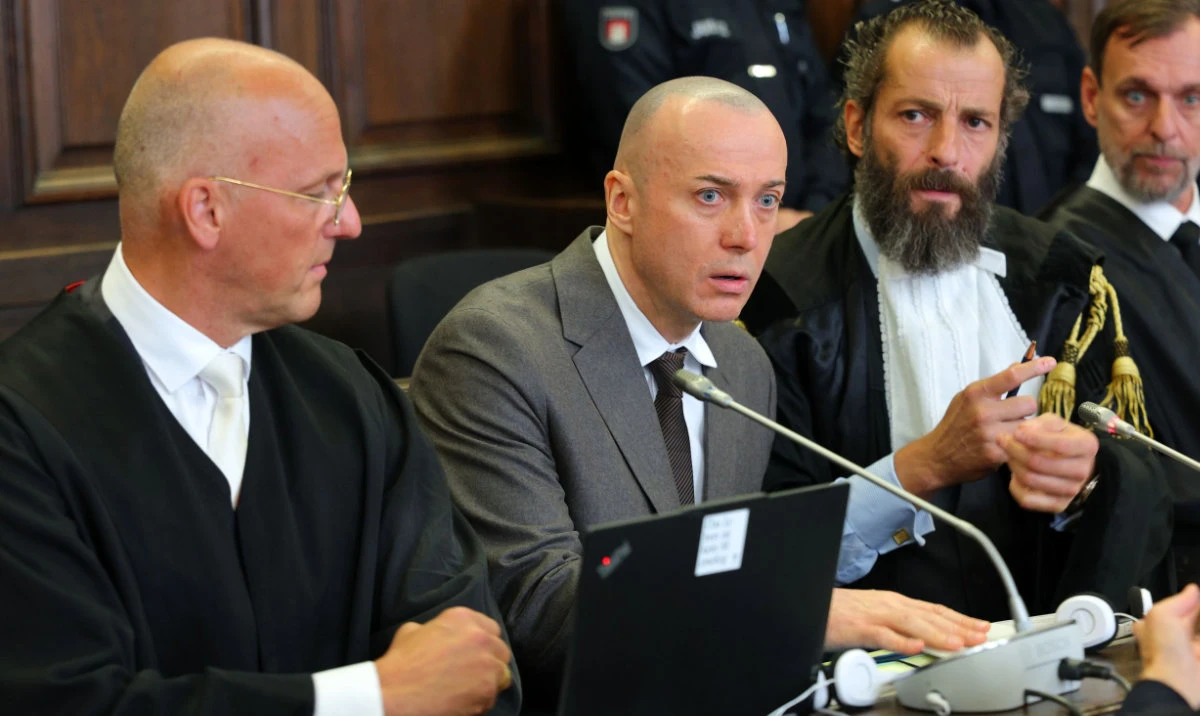
MOSCOW: The Kremlin candidate steamrolled to victory yesterday in local polls on the outskirts of Moscow that had been seen by the opposition as a chance to secure a high-profile presence near the seat of Russian power.
The Khimki District vote on the northwestern edge of the capital was one of a slew held Sunday across Russia for the first time since President Vladimir Putin was overwhelmingly swept to power for a third term in March.
The ruling United Russia party that Putin founded and which is now headed by his premier and predecessor Dmitry Medvedev was leading in every race amid sporadic reports of violations by the candidates and observers.
The Khimki election was of particular interest to the opposition because the Moscow suburb was the site of months of protests against the destruction of part of a forest in favor of a new Kremlin-backed road.
The well-organized but at times violent standoffs spawned a new generation of protest leaders who later spearheaded the broader swell of street discontent that rose against Putin last winter.
Environmentalist Yevgenia Chirikova decided to channel her protest experience into a political campaign against the powerful Khimki acting regional head Oleg Shakhov.
But she trailed far behind with 17.6 percent to the Kremlin man’s 47.6 percent.
The Khimki result was further marred by a turnout of less than 30 percent and reports of violations from election observers.
The opposition has been trying to maintain traction since Putin’s return but has suffered from sometimes flagging attendance at protest rallies and new Kremlin legislation limiting its rights.
The restrictions toughen protest penalties and force groups that receive international funding to identify themselves as “foreign agents” — a measure that appears aimed at associating their causes with the work of spies.
But the opposition also remains a deeply splintered force that failed to rally behind a single candidate in Khimki and often bickers angrily in public about future strategy and its best leaders.
Anti-Putin forces fared no better in any of the four regional governor elections — a far more predictable outcome since protests had only seriously impacted Moscow and to some extent Saint Petersburg.
The Communist Party hopeful lost to his Kremlin rival with just 30 percent of the vote in the agricultural region of Bryansk while another leftist picked up just 22 percent in nearby Ryazan.
Huge wins for United Russia were also recorded in the Far East and the central Volga Region.
“This is a very important and powerful reminder of Russian citizens’ trust toward Putin and his course,” said United Russia co-leader Sergei Neverov.
“The measures the president has taken to strengthen the Russian state and build the society and economy have borne their fruit,” news agencies quoted Neverov as saying.
The elections marked the first time that Russians had a chance to choose regional leaders since January 2005 — the year Putin canceled such votes in response to growing militancy in the restless North Caucasus.
The measure — with some clearly defined limits — was brought back by Medvedev as one of his final acts before handing all formal powers to Putin.
But the liberal Vedomosti business daily said little seemed to have changed since the days when Russian regional races were characterized by low turnout and a high degree of confidence that the Kremlin man would win his seat.
“The officials responsible for election results changed their tactics but tried to control the process as much as possible nonetheless,” the prominent daily remarked.