- Discussions underway between US and Russia about Nord Stream investment
- 65 percent of German businesses in Russia favor resuming energy imports
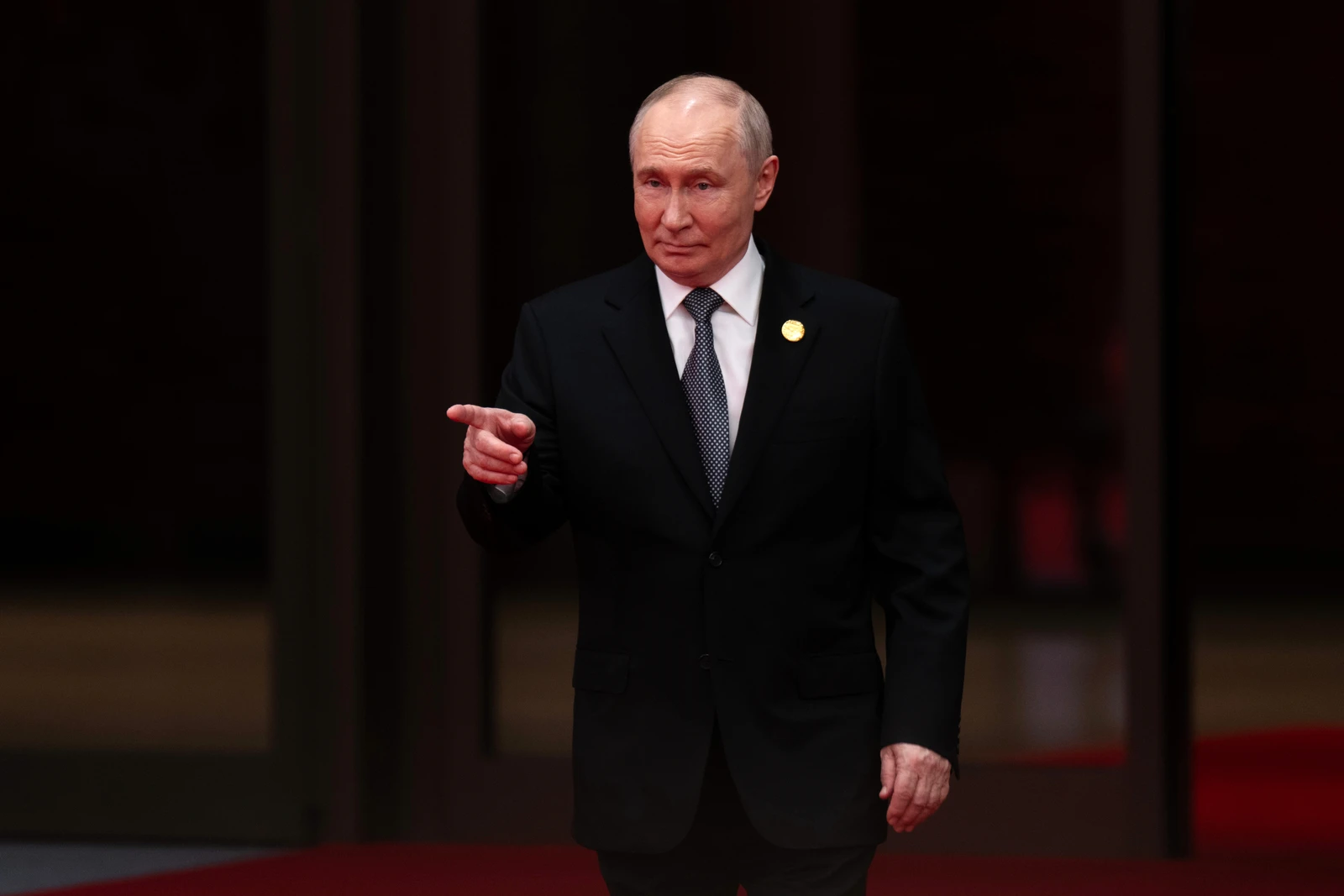
MOSCOW: Russian President Vladimir Putin said on Wednesday that the EU’s decision to cut off Russian oil and gas has led to a “humiliating” fall in European living standards, as a survey by a German lobby group found its members favored renewing supplies.
The EU has been phasing out Russian energy since Moscow started its war in Ukraine in 2022 and plans to halt all liquefied natural gas imports by the end of 2026 and pipeline gas imports by September 30, 2027.
Putin, in a speech to CEOs at the Asia-Pacific Economic Cooperation summit in Shenzhen, said that cheap and stable supplies of Russian energy resources had ensured the EU’s prosperity for decades.
The bloc was now losing industrial potential and its competitive position, he said, pointing to budget deficits, high debt and inflation.
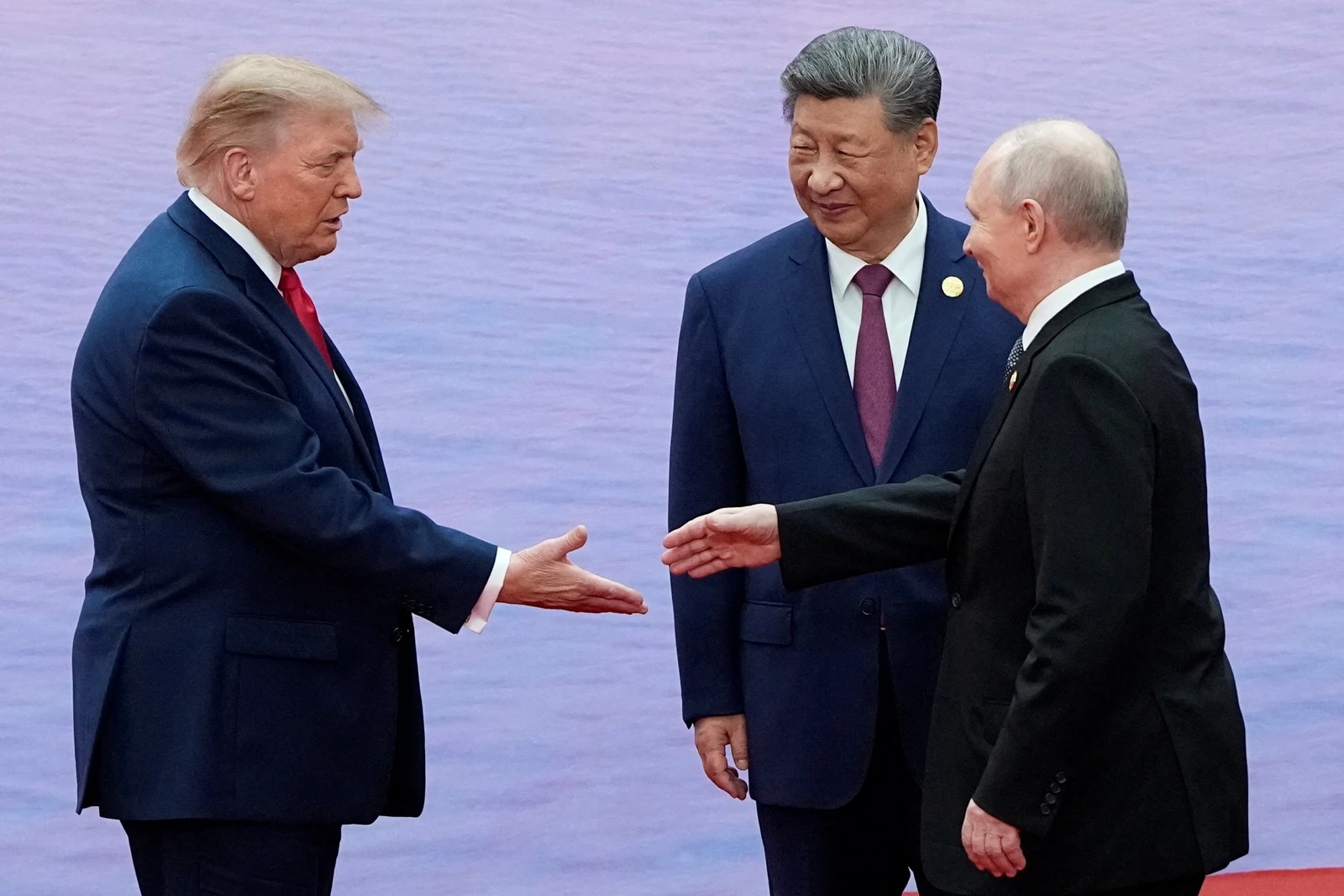
“All of this weighs heavily on European businesses and citizens, whose standard of living is steadily declining, in a humiliating way,” Putin, who is scheduled to meet the presidents of China and the US, added.
The European Commission did not immediately return a request for comment on Russia’s assertions. According to the EU latest data, the euro zone economy has held up better than expected this year thanks to external demand and is expected to grow by 1.2 percent, compared to 0.6 percent expected GDP growth in Russia.
SIGNIFICANT RELIEF
The government of Chancellor Friedrich Merz opposes any resumption of gas flows from Russia, although a survey by lobby group, the German-Russian Trade Chamber, showed that of 750 member companies doing business with Russia, 65 percent were in favor of resuming energy supplies as soon as possible.
The survey, seen by Reuters ahead of a meeting between US, EU and Ukrainian representatives in Berlin this week, showed that a further 31 percent were in favor of doing so after the war ends.
“Additional pipeline gas could provide significant relief, particularly for Germany’s energy-intensive industry,” said Thomas Baier, an energy expert at the group, which is not connected to the German government.
According to the group’s calculations, based on the forward price for gas in 2027 and consumption levels of 2025, resuming deliveries through the Nord Stream line could save Germany €9.5 billion ($10.44 billion) annually.
Top Russian and US officials, including US President Donald Trump’s son-in-law Jared Kushner, held talks in recent months about bringing in a US investor and resuming supplies through the Nord Stream pipelines, which delivered Russian gas to Germany before the war in Ukraine.
The Nord Stream pipeline system comprises two double pipelines across the Baltic Sea to Germany and was the biggest route for Russian gas to enter Europe, capable of delivering 110 billion cubic meters of gas a year.
The discussions, which also included Kirill Dmitriev, Putin’s envoy on investment, could potentially help overcome the EU ban on Russian gas.