RIYADH: Saudi Arabia has the largest national presence in the Cinema Al-Khaleej (Gulf Cinema) program at this year’s Doha Film Festival, with three Saudi titles among the seven selected for the event running Nov. 19-27.
The rest of the lineup comes from Oman, Kuwait, the UAE and Bahrain.
The program showcases films that reflect the Gulf’s cultural heritage and its contemporary realities. Some follow characters who defy prevailing social expectations, while others draw on folklore, memory and tradition. Together they show the expansiveness of the region’s creative vision, with the festival giving filmmakers a stage with audiences at home and abroad, organizers said.
“Our stories are shaped by distinct cultures, shared histories and rapidly changing societies, and they carry human truths that cross borders,” said Fatma Hassan Al-Remaihi, CEO of the Doha Film Institute and director of the festival, in a statement released Thursday. She added that the program reflects the festival’s commitment to amplifying Gulf voices that speak to the region’s past, present and future. She described the festival as a tribute to filmmakers who are reshaping regional cinema and making room for new perspectives.
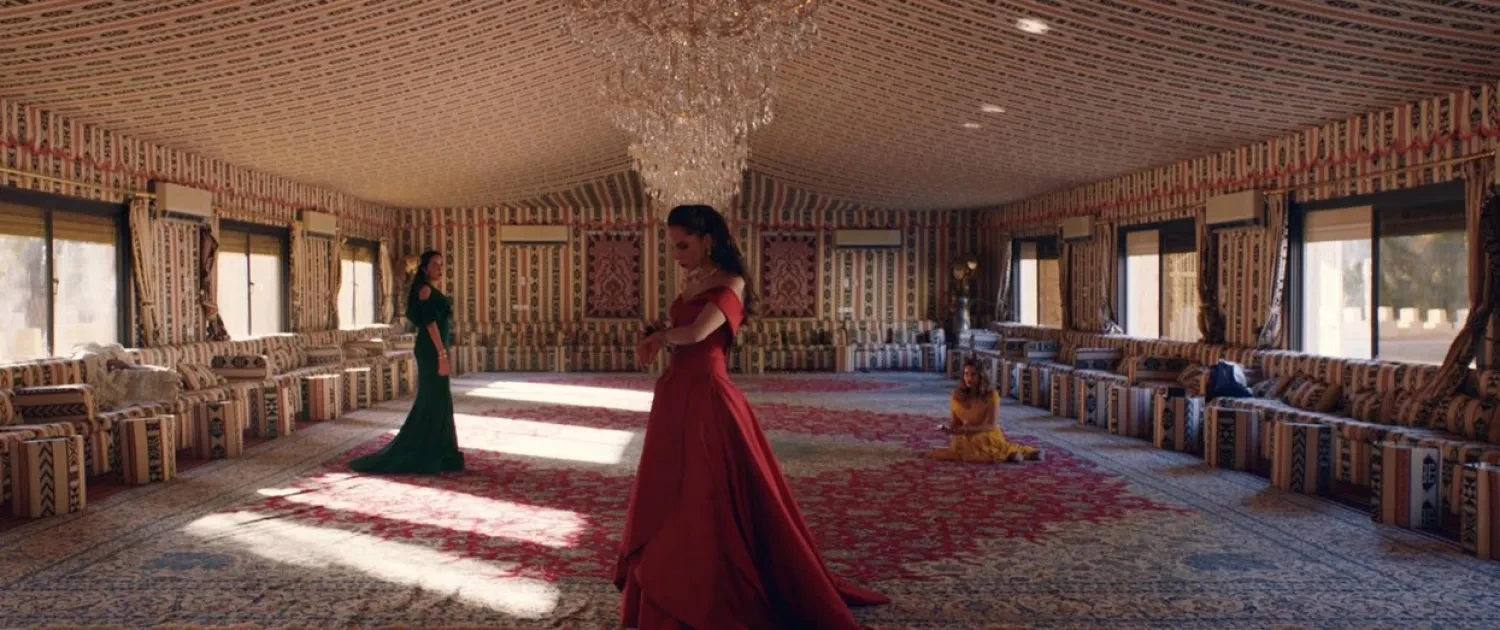
The first Saudi feature is Ahd Kamel’s “Salma & Qamar” (“My Driver & I”), which won Best Feature Film at the 2025 Saudi Film Festival. It traces an unlikely friendship between Salma, a privileged Saudi teenager, and Qamar, her family’s Sudanese driver.
The second, Hisham Fakih’s “Soulala” (“Lineage”), takes a turn into horror. It follows a man who returns to his mother’s isolated palm farm, only to discover a terrifying secret that threatens his survival.
Critics say the strong showing reflects real momentum. Egyptian critic Tarek El-Shennawy told Asharq Al-Awsat that Saudi cinema has made “creative leaps” in recent years, and has competed and won at international festivals while tackling difficult and sensitive subjects. Gulf talent more broadly, he added, has finally been given the space to express itself, and has made the most of the opportunity.
The short film section features two Saudi entries, Raed Al-Semari’s “Dunya’s Day” and Fakih’s “Soulala.” They are joined by “Clouds” by Muzna Al-Musafer from Oman, “Namoos” by Nada Jahed from the UAE, “An Evening with Layla” by Haya Al-Ghanim from Kuwait and “Salem, Not Salem” by Omar Farooq from Bahrain.
Dr. Amal Othman, also a film critic, said that recent years had delivered a genuine cinematic renaissance for the Gulf, and that regional films now exceed expectations in performance, creative freedom and the scope of issues they dare to address.
Through the program, the festival says it aims to deepen cultural understanding, showcase the diversity of the region’s storytelling and bring Gulf cinema into dialogue with audiences worldwide.
Separately, Japanese director Naomi Kawase will chair the jury of the International Feature Film Competition. She will be joined by French Tunisian actor Adam Bessa, Tunisian producer Dora Bouchoucha, Italian documentary filmmaker Gianfranco Rosi and Palestinian filmmaker and artist Kamal Al-Jafari.
This article was first published on Asharq Al-Awsat.