- Kang takes language of nurturing and turns it on its head
It is a matter of immense creativity when an author takes two elements that seem to have absolutely nothing to do with each other, and weaves them into a compelling story. In Minyoung Kang’s “Plant Lady,” caring for plants and murder are the unlikely pairing.
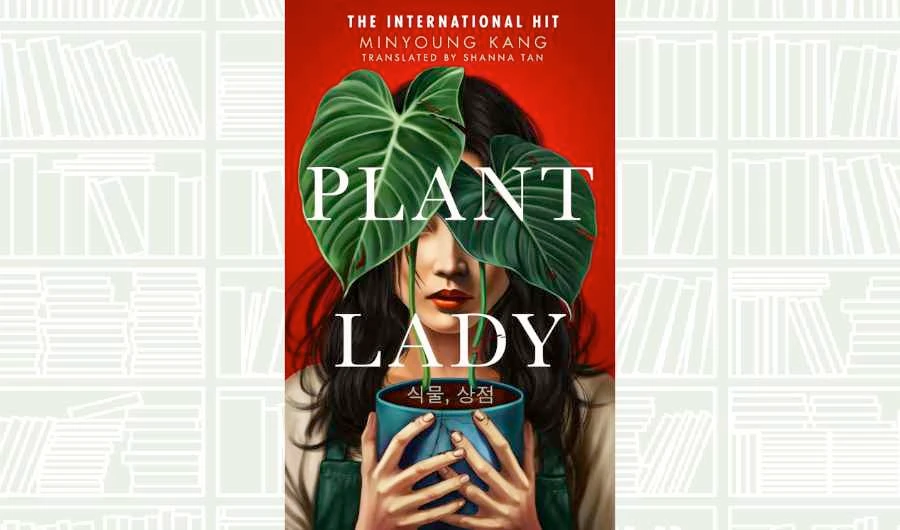
At first glance, the book’s striking cover shows a woman likely holding up a potted philodendron with its signature velvety leaves, and what looks like splits or fenestrations. Look closer, though, and you will realize those markings are not fenestrations at all, but streaks of blood running down the foliage.
Originally published in Korean, the English edition was translated by Singaporean literary translator Shanna Tan and published this year by Berkley in the US and Doubleday in the UK.
As a monstera-mother myself, I immediately added the novel to my reading list when I stumbled upon it while doomscrolling late one night. My Instagram algorithm knows me a little too well, I realized at that moment.
“Plant Lady” offers an irresistible premise: a serene plant shop in a small town, a woman who knows her petunias and pests, and a garden that doubles as a graveyard for men who have made themselves intolerable. The protagonist Yoohee falls within a literary and screen tradition of the killer with the selective capacity to care and nurture, an archetype that has enjoyed the spotlight in works such as Caroline Kepnes’ “You,” Jeff Lindsay’s “Dexter” and Bret Easton Ellis’ “American Psycho.”
A writer and editor-in-chief of Korean film magazine “CAST,” Kang brings a distinctly cinematic sense of pacing to the story that translates well under Tan’s pen.
Yoohee is the owner of Plant Shop, a refuge she built after a series of painful experiences in her personal life. Her plants flourish under meticulous care, creating the cozy atmosphere one might expect from Korean comfort fiction: soothing scenes, gardening advice and the restorative pleasure of patiently tending to something living.
Once her shop grows more recognizable after its humble beginnings, women with problems involving men they cannot escape find their way to the sanctuary-like space. Yoohee offers them a service considerably more consequential, and daring, than repotting a bird of paradise that has grown wild.
The love with which she cares for her plants is not extended to the men who she deems as having crossed the line. Beneath a woman’s desire to help others find the perfect plant for their lifestyle and needs is a story of female rage and the social expectations placed on women to remain gentle, accommodating and forgiving.
I enjoyed the psychological thriller-style novel specifically because it paired potting and plotting: the calming vocabulary of plant care that I am familiar with (roots, pruning, fertilizing, and foliage) is woven increasingly into sinister plots of murder, disappearance and revenge.
The result is something messier than the dreaded task of potting up water propagations: Kang takes the language of nurturing and turns it on its head.
What happens when women who have spent their lives being expected to care for everyone else finally decide to tend to their own anger?
“Plant Lady” may have roots in a comforting premise, but it quickly grows into something considerably darker.