The SABB/HSBC Emerging Markets Index (EMI), a monthly weighted composite indicator derived from national PMI survey reports in 17 emerging economies, fell to 51.7 in July, from 52.3 in June, indicating slower output growth across global emerging markets. However, the latest expansion was stronger than the average seen over the first half of 2014.
Weaker output growth in emerging markets mainly reflected a slowdown in the service sector, as manufacturing production rose at the fastest rate since March 2013. Manufacturing output growth accelerated in China, India, Indonesia, Taiwan, Russia and the Czech Republic. In contrast, Brazil, Turkey and South Korea posted further declines.
In line with the trend for activity, new business growth in emerging markets eased since June but was stronger than the average over the first half of the year.
The volume of outstanding business declined marginally, having stabilized in June. Firms remained reluctant to take on more staff, as employment rose only fractionally. Manufacturing employment was largely unchanged from June.
The SABB/HSBC EMI Index indicates that inflationary pressures remained subdued in July, despite input price inflation accelerating to a five-month high. Output prices continued to rise only marginally.
Focusing on manufacturing, goods producers in Russia, Vietnam and India faced the steepest increases in input prices in July.
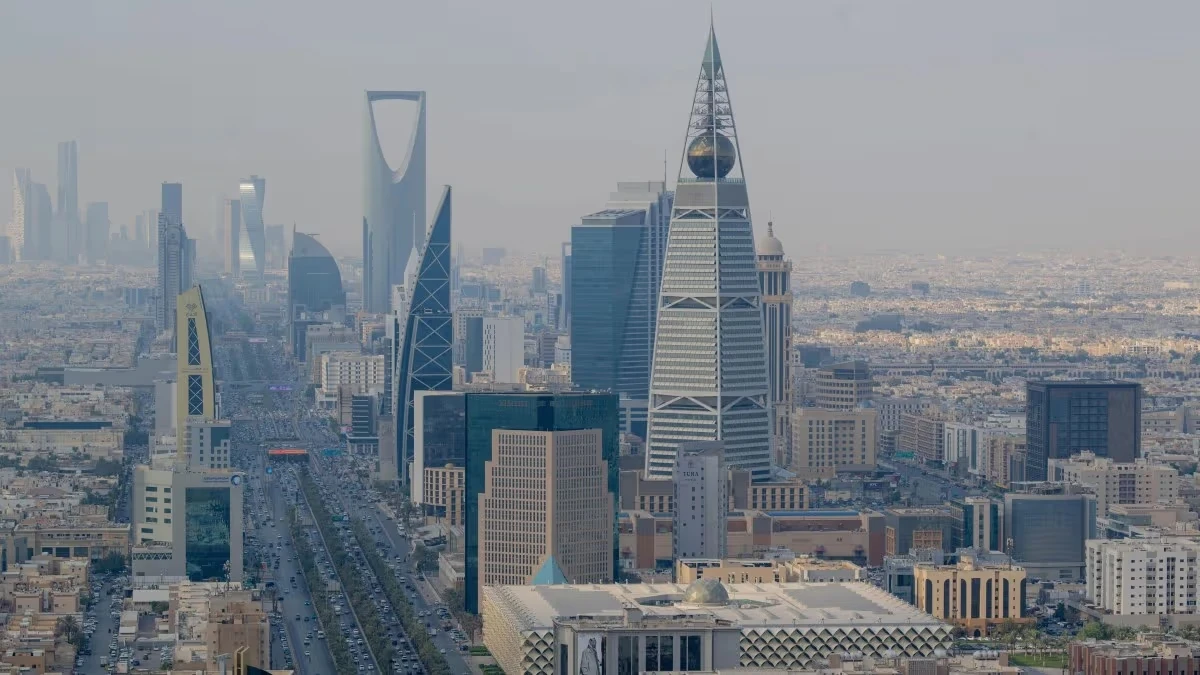
Nonoil private sector output in Saudi Arabia increased in July at the steepest rate since February 2012, with new orders rising at the fastest pace in 10 months.
Meanwhile, new business from abroad also increased sharply.
Following the sharp rises seen in June, the UAE nonoil producing private sector continued to observe strong performances in output, new orders and new export orders in July.
Generally, growth across the indices remained marked despite easing slightly from the previous month.
In addition, job creation, purchasing activity and stocks continued to expand at solid rates.
Output, new orders and new export business in the Egyptian non-oil private sector all fell moderately during July, according to the SABB/HSBC EMI Index data.
Meanwhile, input costs continued to increase, and at the fastest pace since April 2013. Firms raised their selling prices for the first time in three months as they sought to protect their margins from the rise in input costs.
The recent strikes in South Africa weighed heavily on demand in July, resulting in marked declines in both output and new orders.
The respective rates of contraction accelerated to the sharpest in the 37-month series history.
Consequently, firms lowered their purchasing activity, with nearly one-in-three survey participants indicating a decline in buying.
Arab News