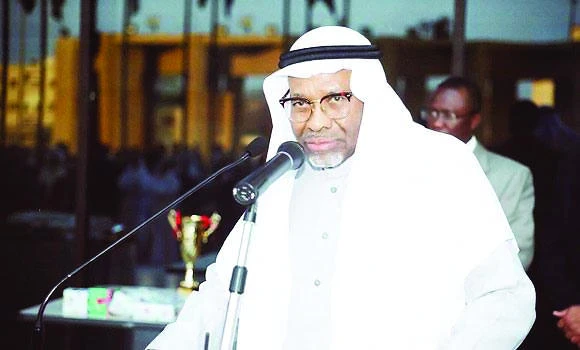
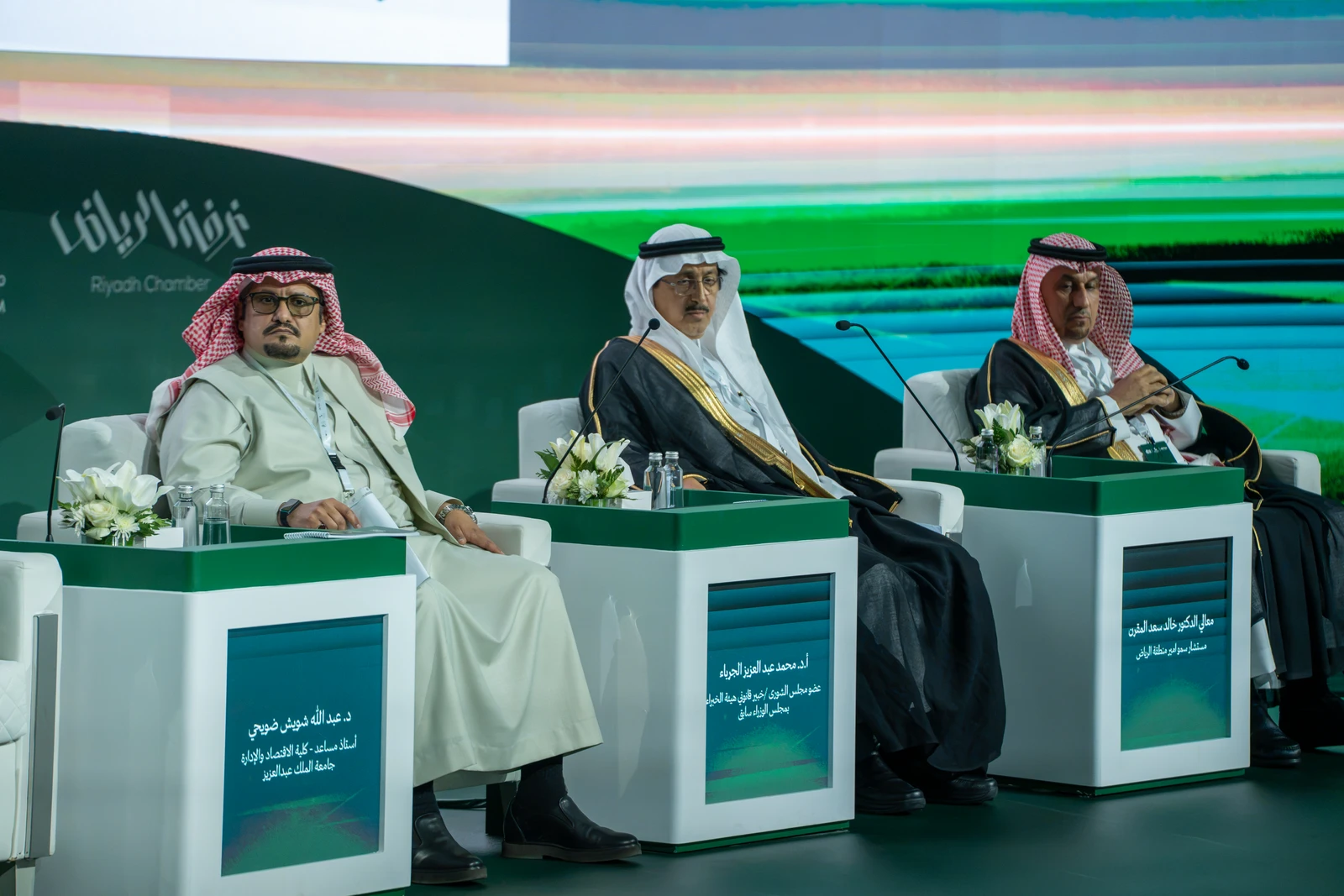
The head of the Islamic Development Bank, Ahmed Mohammed Ali, met Wednesday with officials responsible for Haj affairs including representatives at consulates and embassies of member states of the Organization of Islamic Cooperation.
The meeting discussed the goals of the sacrificial meat project, which, since its establishment 33 years ago in the Kingdom, has achieved wide ranging success in delivering sacrificial meat to the poor and needy during the Haj seasons as well as to many beneficiaries in Muslim communities outside the Kingdom.
Ali said the main objective of the project is to serve pilgrims through provision of livestock which meets legal and health requirements, besides maintaining the safety and cleanliness at the holy sites.
According to Ali, the Kingdom has already invested more than SR1 billion to develop abattoirs equipped with the latest machinery and equipment. He also referred to the positive impact of a royal decree, which has restricted the sale of Haj bonds to the sacrificial meat project only in order to maximize its benefits.
Ali confirmed that the bank had directly supervised the distribution of the sacrificial meat to the poor and needy around the Grand Mosque for the year 2013, and that excess supplies had been distributed to charitable organizations throughout the Kingdom and beneficiaries in 27 countries.
He advised officials responsible for Haj affairs at the embassies and consulates in the Kingdom to guide pilgrims about purchasing Haj bonds from designated places around the Two Holy Mosques in Makkah and Madinah, and the holy sites, as well as at various ports in the Kingdom. He also called for efforts to prevent congestion at the butcheries during peak times.
Ali said the bank has completed all the necessary procedures and arrangements for the current Haj season, and praised the custodian of the Two Holy Mosques and the crown prince for their continuous support for Haj services.
Some 400,000 butchers and administrators are currently working under the project in addition to 800 veterinarians and 800 observers to ensure that health and religious conditions are met. The price of a bond this year is SR 490.
IDB chief discusses sacrificial meat project with embassies