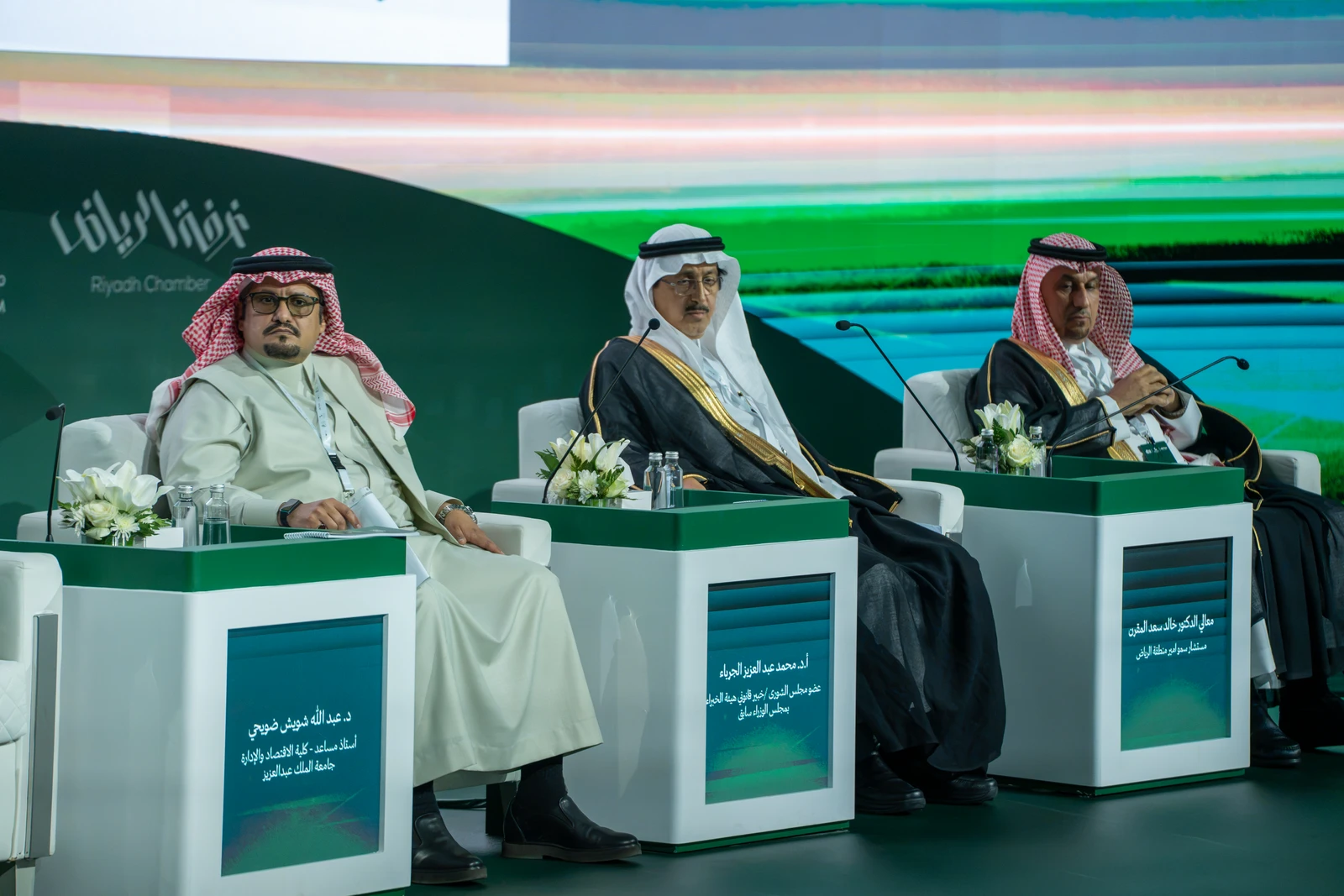
RIYADH: Euromoney Saudi Arabia conference 2016 which opened here on Tuesday under the patronage of the Ministry of Finance emerged as a significant financial meeting as the ministers of finance, labor and commerce and industry joined top business and finance leaders in brainstorming on major economic issues.
The top leaders discussed a series of economic reforms including stock market reforms that may attract billions of dollars by foreign investors as the Kingdom aims to diversify its economy beyond oil market and opened its stock market (Tadawul) last year for the direct foreign investment.
Making his keynote address at the annual forum finance minister Ibrahim Al-Assaf focused on Kingdom’s reinvigorated economic strategy this year including major economic reforms.
Despite global recession, sovereign debt crisis in the Eurozone and economic slowdown in the regional market, the Kingdom has continued with vigorous economic policies and marching ahead with structural reforms to face the challenge.
He pointed out that the foreign trade environment is not conducive due to slowdown in the market and the recession facing the developed economies has also put the developing economy under pressure.
He, however, noted that despite the fall oil prices, the financial condition in the Kingdom is very much stable and with the major economic reforms the nation is strive to march ahead to work on development projects by diversifying our revenue sources.
The minister added that the non-oil sector and private sector are doing well that helped to come up with economic diversification program.
Al-Assaf also lauded Vision 2030 and congratulated Custodian of the Two Holy Mosques King Salman and Deputy Crown Prince Mohammad bin Salman, second deputy premier and defense minister for the ambitious plan to diversify the national economy.
He said that the MoF look forward to work on structural reforms supporting the strategic plans in Vision 2030 with the high optimism to register robust growth by diversifying revenue sources for the country.
Echoing the sentiment Tawfiq Al-Rabiah, minister of commerce and industry lauded the Vision 2030 and spoke on emerging companies, franchise system-, e-commerce to ensure complete transparency, electronic licensing for industries and mobile app to help investors, a step to attract foreign investors to the Kingdom.
During his keynote interview at the opening session, Al-Rabiah highlighted Qawaem program established by the ministry of commerce and industry in cooperation with the Saudi Organization for Certified Public Accountants to provide a set of services related to financial statements and information of enterprises.
Notably, Qawaem program aims at improving and increasing work efficiency and making use of the uploaded financial statements in order to provide outstanding services to beneficiaries, users and stakeholders through converting hard copies of financial statements into soft ones, uploading and making these available online, this
shall support the credibility of financial statements with the stakeholders, prompt provision of financial statements to stakeholders through supplying the required information with high accuracy and in a
timely manner and creating databases on accounts of the enterprises and corporations to be used by analysts, governmental agencies and researchers.
It also provide important economic information to assist planners.
The minister said our aim is to encourage private investors.
When asked why not the Kingdom like Singapore and South Korea come up with long term plan of 50 years to take investors into confidence for stable investment, he replied saying this Vision 2030 is an initiative in the same direction coming up with long term plan to diversify national economy.
Mufarrej Al-Haqabani, labor minister, also supported Vision 2030 and advocated for economic reforms with the employment of more Saudi youth to achieve the goal set under Nitaqat program.
“We need to improve on our Saudi participation in labor market,” he said.
He underscored that Saudization of labor market will be achieved successfully as we are working on engaging Saudi youth with proper training in cooperation with public and private partners.
“MoL is working on programs and took initiatives to engage more Saudi youth, men and women to join training assuring jobs for them available in various sectors,” the minister said.
Although agreeing on female employees gap, he, however, exuded hope that after proper training these gender-based employment gap will be parted with the required number of women taking respective training and joining jobs.
He said that the ministry has also launched “vocational inspection” to ensure Saudization guidelines are followed properly.
He also thanked the Ministry of Commerce and Industry for helping through targeted localization program that aims to engage Saudi youth in jobs.
Mohammed Al-Jadaan, chairman, Capital Market Authority (CMA), spoke on the aspects of Qualified Foreign Financial Institutions (QFIs) and their role in the security market.
He also maintained that the CMA has shown resilience and continuing in business positively despite fall in oil prices.
He said that Vision 2030 highlighted the commitment of the government while the CMA showed strength of the market.
Khalid Abdullah Al-Hussan, CEO, Tadawul, spoke on stock market reforms saying that the opening of the stock market widened the foreign investor base.
On Aramco IPO, he described it as historic saying it is a positive sign for investors although the percentage is a matter of government policy.
In response to a question, he also pointed that SMEs will be a subsidiary market for Tadawul.
The technical sessions of the 11th Euromoney conference will continue on Wednesday.
The top leaders discussed a series of economic reforms including stock market reforms that may attract billions of dollars by foreign investors as the Kingdom aims to diversify its economy beyond oil market and opened its stock market (Tadawul) last year for the direct foreign investment.
Making his keynote address at the annual forum finance minister Ibrahim Al-Assaf focused on Kingdom’s reinvigorated economic strategy this year including major economic reforms.
Despite global recession, sovereign debt crisis in the Eurozone and economic slowdown in the regional market, the Kingdom has continued with vigorous economic policies and marching ahead with structural reforms to face the challenge.
He pointed out that the foreign trade environment is not conducive due to slowdown in the market and the recession facing the developed economies has also put the developing economy under pressure.
He, however, noted that despite the fall oil prices, the financial condition in the Kingdom is very much stable and with the major economic reforms the nation is strive to march ahead to work on development projects by diversifying our revenue sources.
The minister added that the non-oil sector and private sector are doing well that helped to come up with economic diversification program.
Al-Assaf also lauded Vision 2030 and congratulated Custodian of the Two Holy Mosques King Salman and Deputy Crown Prince Mohammad bin Salman, second deputy premier and defense minister for the ambitious plan to diversify the national economy.
He said that the MoF look forward to work on structural reforms supporting the strategic plans in Vision 2030 with the high optimism to register robust growth by diversifying revenue sources for the country.
Echoing the sentiment Tawfiq Al-Rabiah, minister of commerce and industry lauded the Vision 2030 and spoke on emerging companies, franchise system-, e-commerce to ensure complete transparency, electronic licensing for industries and mobile app to help investors, a step to attract foreign investors to the Kingdom.
During his keynote interview at the opening session, Al-Rabiah highlighted Qawaem program established by the ministry of commerce and industry in cooperation with the Saudi Organization for Certified Public Accountants to provide a set of services related to financial statements and information of enterprises.
Notably, Qawaem program aims at improving and increasing work efficiency and making use of the uploaded financial statements in order to provide outstanding services to beneficiaries, users and stakeholders through converting hard copies of financial statements into soft ones, uploading and making these available online, this
shall support the credibility of financial statements with the stakeholders, prompt provision of financial statements to stakeholders through supplying the required information with high accuracy and in a
timely manner and creating databases on accounts of the enterprises and corporations to be used by analysts, governmental agencies and researchers.
It also provide important economic information to assist planners.
The minister said our aim is to encourage private investors.
When asked why not the Kingdom like Singapore and South Korea come up with long term plan of 50 years to take investors into confidence for stable investment, he replied saying this Vision 2030 is an initiative in the same direction coming up with long term plan to diversify national economy.
Mufarrej Al-Haqabani, labor minister, also supported Vision 2030 and advocated for economic reforms with the employment of more Saudi youth to achieve the goal set under Nitaqat program.
“We need to improve on our Saudi participation in labor market,” he said.
He underscored that Saudization of labor market will be achieved successfully as we are working on engaging Saudi youth with proper training in cooperation with public and private partners.
“MoL is working on programs and took initiatives to engage more Saudi youth, men and women to join training assuring jobs for them available in various sectors,” the minister said.
Although agreeing on female employees gap, he, however, exuded hope that after proper training these gender-based employment gap will be parted with the required number of women taking respective training and joining jobs.
He said that the ministry has also launched “vocational inspection” to ensure Saudization guidelines are followed properly.
He also thanked the Ministry of Commerce and Industry for helping through targeted localization program that aims to engage Saudi youth in jobs.
Mohammed Al-Jadaan, chairman, Capital Market Authority (CMA), spoke on the aspects of Qualified Foreign Financial Institutions (QFIs) and their role in the security market.
He also maintained that the CMA has shown resilience and continuing in business positively despite fall in oil prices.
He said that Vision 2030 highlighted the commitment of the government while the CMA showed strength of the market.
Khalid Abdullah Al-Hussan, CEO, Tadawul, spoke on stock market reforms saying that the opening of the stock market widened the foreign investor base.
On Aramco IPO, he described it as historic saying it is a positive sign for investors although the percentage is a matter of government policy.
In response to a question, he also pointed that SMEs will be a subsidiary market for Tadawul.
The technical sessions of the 11th Euromoney conference will continue on Wednesday.