- Saudi energy investments have mitigated the global energy shock, according to Finance Minister Mohammed Al-Jadaan.
- Most Gulf Cooperation Council countries are better prepared to handle economic disruptions compared to others in the Middle East and North Africa.
- Al-Jadaan highlighted that countries benefiting from structural reforms are more resilient in times of crisis.
RIYADH: Saudi Arabia’s energy investments helped limit the impact of the global energy shock, while structural reforms and financial buffers have strengthened the Kingdom’s ability to navigate regional uncertainty, the finance minister said.
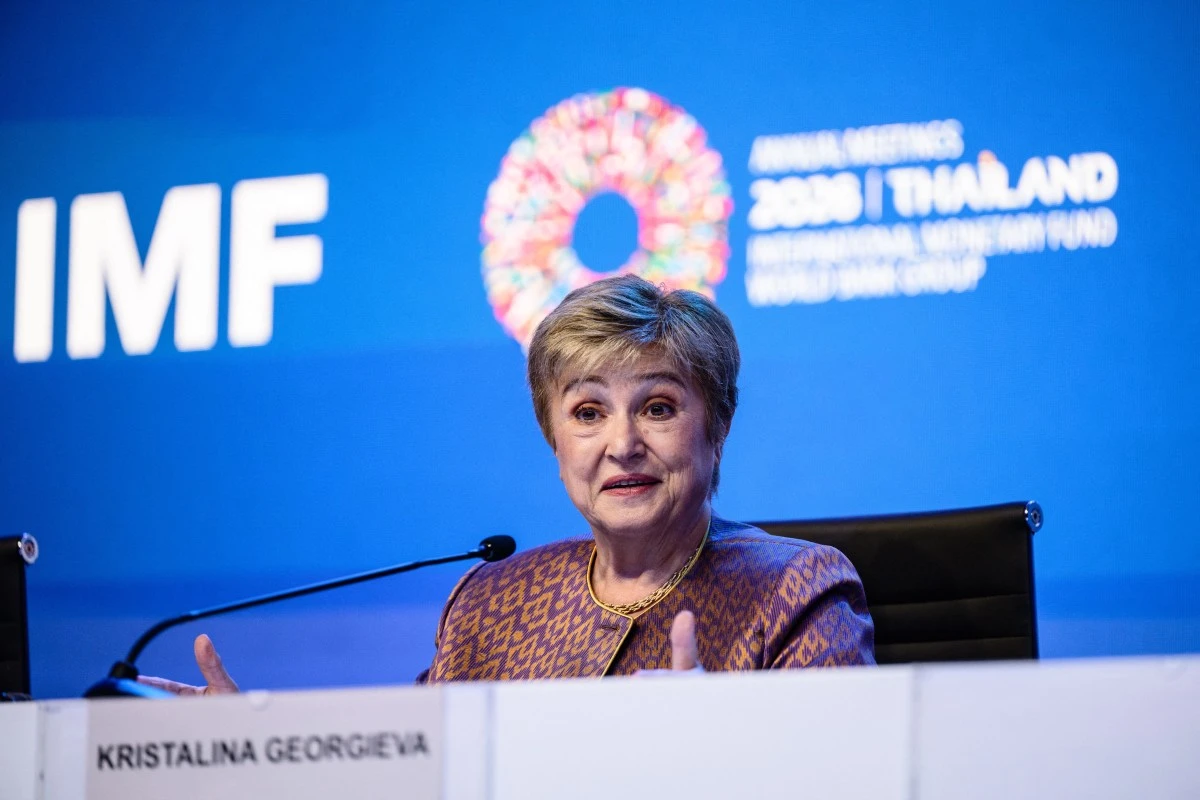
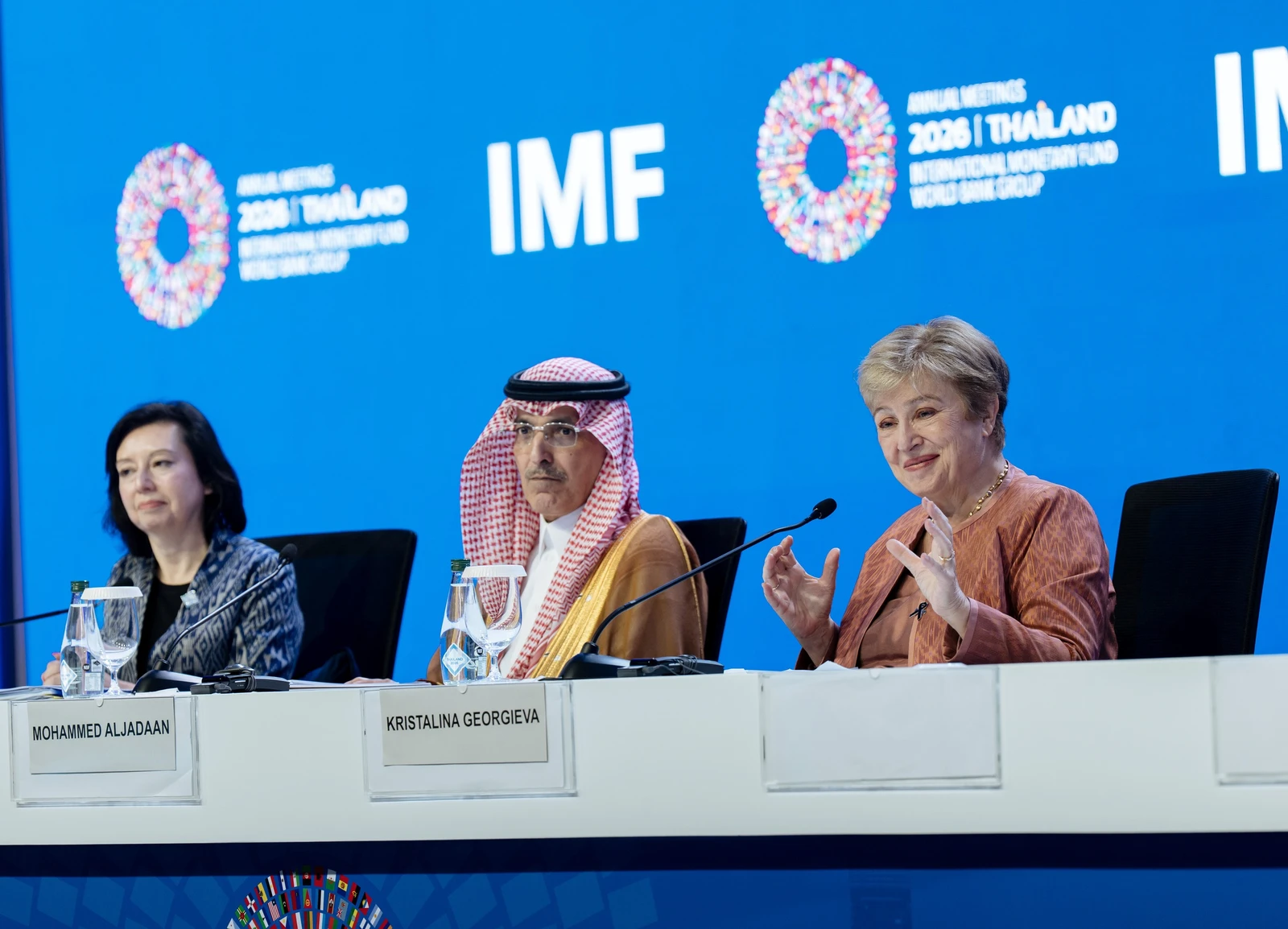
Speaking at the closing press conference of the International Monetary and Financial Committee during the IMF and World Bank Annual Meetings in Bangkok on Oct. 17, Mohammed Al-Jadaan said most Gulf Cooperation Council countries were better positioned to withstand disruptions than other economies in the Middle East and North Africa.
The minister, who chairs the IMFC, said countries across the region entered the latest period of instability from different economic positions, with some benefiting from years of reforms while others faced limited financial resources.
“There is the group who came to these shocks prepared. They did a lot of homework, they did structural reforms, they built buffers, so they are way more able to deal with the shock,” Al-Jadaan said.
He added that most GCC countries belonged to the better-prepared group, while others entered the crisis already facing significant economic difficulties.
Saudi resilience
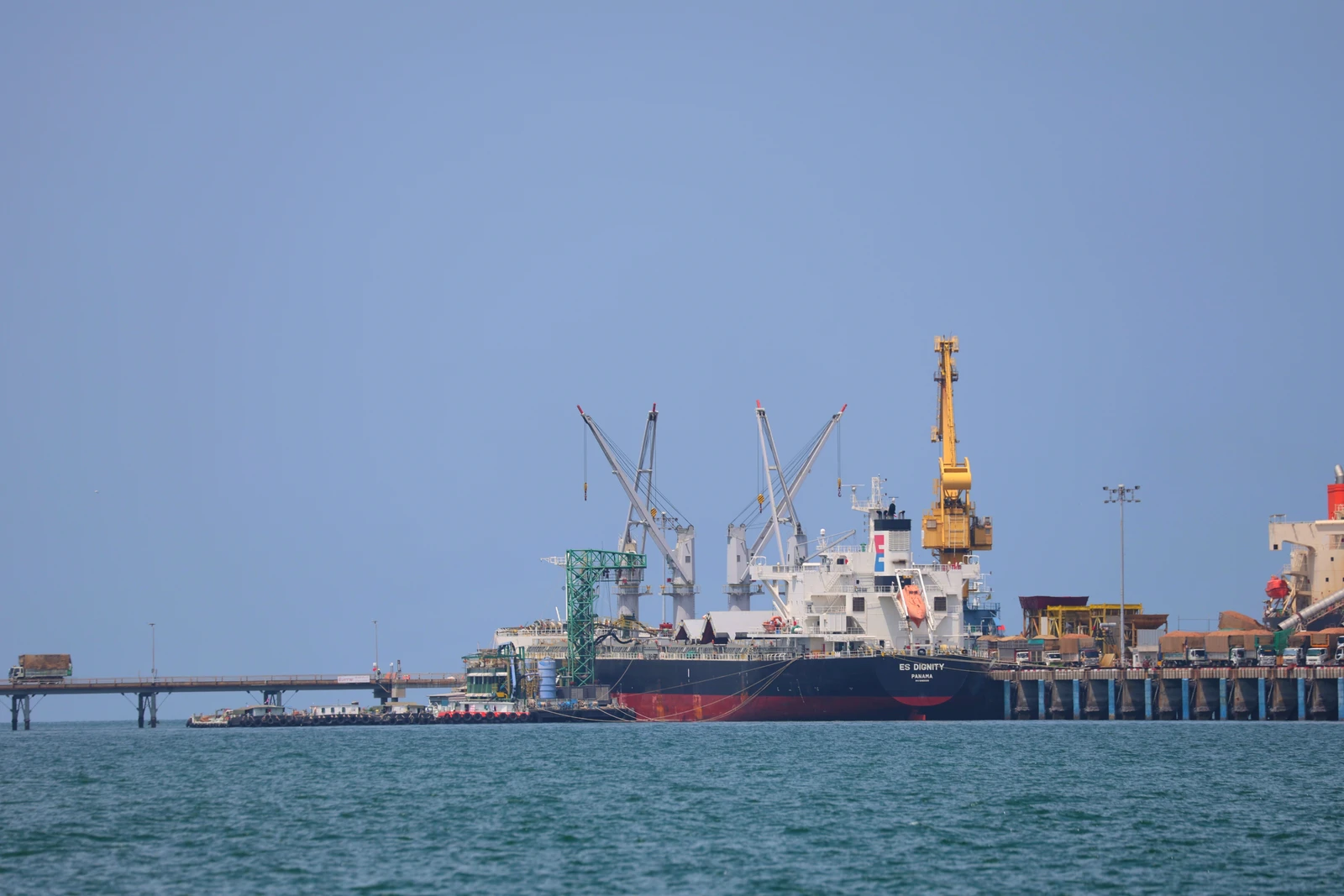
Al-Jadaan emphasized the importance of the Kingdom’s energy investments in limiting the wider economic consequences of regional instability.
“If it was not for, for example, investments that were made by countries like Saudi Arabia, the shock from the energy crisis would have been a lot worse,” he said.
IMF Managing Director Kristalina Georgieva, who joined the briefing, agreed that the benefits extended to the global economy.
The remarks follow S&P Global Ratings’ September decision to affirm the Kingdom’s sovereign credit rating at “A+” with a stable outlook, reflecting its assessment that Saudi Arabia could withstand pressures from the ongoing Middle East conflict.
The agency cited the country’s diversified energy export infrastructure, including its ability to redirect crude exports through the East-West pipeline, alongside substantial oil storage and refining capacity.
Separately, IMF Middle East and Central Asia Department Director Jihad Azour told Asharq Bloomberg in an Oct. 15 interview that six economic buffers had helped Gulf economies withstand the oil crisis.
These included diversified export routes, broader economic activity, strong financial reserves, swift policy intervention, regional cooperation and experience in managing previous shocks.
Global pressures
Turning to the international outlook, Al-Jadaan warned that conflicts, trade tensions and rising debt were threatening economic stability despite continued global resilience.
“The message from the IMFC members is clear. There is no room for complacency,” he said.
He called for credible medium-term fiscal plans to rebuild financial buffers while protecting vulnerable populations and investments supporting economic growth.
The minister also stressed the importance of central bank independence in maintaining price stability and policy credibility.
IMFC members reaffirmed their commitment to timely and coordinated sovereign debt restructuring, including through the G20 Common Framework, while emphasizing secure energy flows and freedom of navigation.
IMF cooperation
Al-Jadaan welcomed members’ commitment to a strong, adequately resourced and quota-based IMF, with the Diriyah Guiding Principles guiding discussions on future governance reforms.
The committee also welcomed policy reviews covering surveillance, debt analysis, lending and capacity development.
Georgieva said the meetings reflected optimism about economic resilience alongside concerns over inflation, debt and artificial intelligence risks.
Al-Jadaan similarly acknowledged AI’s potential to boost productivity while warning that its benefits could be unevenly distributed.
“Lasting stability and prosperity can only be achieved through greater economic integration, not fragmentation,” he said.
The committee’s statement also welcomed the extension of Al-Jadaan’s term as IMFC chair by one year.