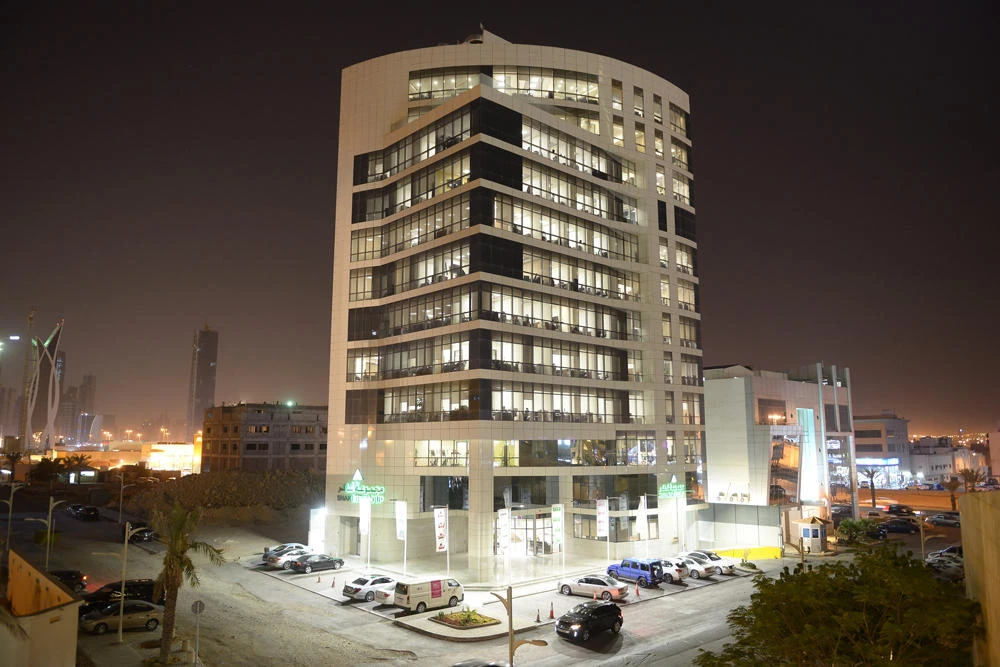
Shaker Group, an importer, manufacturer and distributor of air conditioners and home appliances in Saudi Arabia, has announced results achieved by the company’s ongoing efficiency program. As group sales continue to face pressure — the result of a slowdown in the local construction sector — efficiency initiatives have become a core aspect of the company management’s strategy.
The group’s inventory dropped to SR598 million ($159 million) in Q2 2018, a decrease of 19.6 percent compared to the corresponding period in the previous year. This was driven by a conservative approach to re-ordering and the liquidation of selected items. In addition, trade receivables decreased to SR559 million, a 27.4 percent drop compared to Q2 2017, which was primarily due to a greater emphasis on collection before further sales.
The company has also rationalized employee costs, reducing the total to SR31 million for Q2 2018, as compared to SR38 million in Q2 2017. The company’s debt position has improved on a year-on-year basis, with total loans for Q2 2018 reducing to SR717 million, from SR830 million in Q2 2017 — a decrease of 13.6 percent.
Azzam Saud Almudaiheem, chief executive officer at Shaker Group, said: “Over the last year, we have focused on improving efficiency in all aspects of Shaker Group’s operations. This quarter we have reported lower expenses, which have been driven mainly by reduced employee costs and lower rental payments. Such reductions are the result of headcount optimization measures and rationalization of our outlet footprint, in line with the company’s ongoing efficiency program.”
He added: “We are pleased to see that our strategy is already proving to be effective, and we are continuing to work on initiatives that will increase efficiency and drive sales. In a challenging market environment, we remain focused on improving our margins by operating more efficiently as a business.”
The group has implemented various supply chain initiatives to transform fixed costs of rent and manpower into variable costs, reduce inventory levels by reducing safety stock, and improve freight consolidation opportunities. The company is also implementing Sales & Operation Planning (S&OP), to drive collaboration, focus and alignment across divisions and departments. Typical S&OP results could include a 50-70 percent reduction in planning cycle time, a 15-30 percent improvement in forecast accuracy, a 10-20 percent reduction in excess inventory and a 25 percent reduction in stock non-availability situations. In line with this plan, the group has successfully reduced its warehouses from 21 in 2016, to 13 in 2017, and four in 2018.
The group’s inventory dropped to SR598 million ($159 million) in Q2 2018, a decrease of 19.6 percent compared to the corresponding period in the previous year. This was driven by a conservative approach to re-ordering and the liquidation of selected items. In addition, trade receivables decreased to SR559 million, a 27.4 percent drop compared to Q2 2017, which was primarily due to a greater emphasis on collection before further sales.
The company has also rationalized employee costs, reducing the total to SR31 million for Q2 2018, as compared to SR38 million in Q2 2017. The company’s debt position has improved on a year-on-year basis, with total loans for Q2 2018 reducing to SR717 million, from SR830 million in Q2 2017 — a decrease of 13.6 percent.
Azzam Saud Almudaiheem, chief executive officer at Shaker Group, said: “Over the last year, we have focused on improving efficiency in all aspects of Shaker Group’s operations. This quarter we have reported lower expenses, which have been driven mainly by reduced employee costs and lower rental payments. Such reductions are the result of headcount optimization measures and rationalization of our outlet footprint, in line with the company’s ongoing efficiency program.”
He added: “We are pleased to see that our strategy is already proving to be effective, and we are continuing to work on initiatives that will increase efficiency and drive sales. In a challenging market environment, we remain focused on improving our margins by operating more efficiently as a business.”
The group has implemented various supply chain initiatives to transform fixed costs of rent and manpower into variable costs, reduce inventory levels by reducing safety stock, and improve freight consolidation opportunities. The company is also implementing Sales & Operation Planning (S&OP), to drive collaboration, focus and alignment across divisions and departments. Typical S&OP results could include a 50-70 percent reduction in planning cycle time, a 15-30 percent improvement in forecast accuracy, a 10-20 percent reduction in excess inventory and a 25 percent reduction in stock non-availability situations. In line with this plan, the group has successfully reduced its warehouses from 21 in 2016, to 13 in 2017, and four in 2018.