Three international organizations launched a new trade intelligence training program for Central Asia, to support the trade and export capacities of the businesses in this region.
The program aims to help businesses to understand opportunities in trade flows, and focus on Trade Support Institutions (TSIs) to increase their familiarity and capacity to use available tools to identify export opportunities, as well as market entry requirements, to deliver these tools to their SMEs.
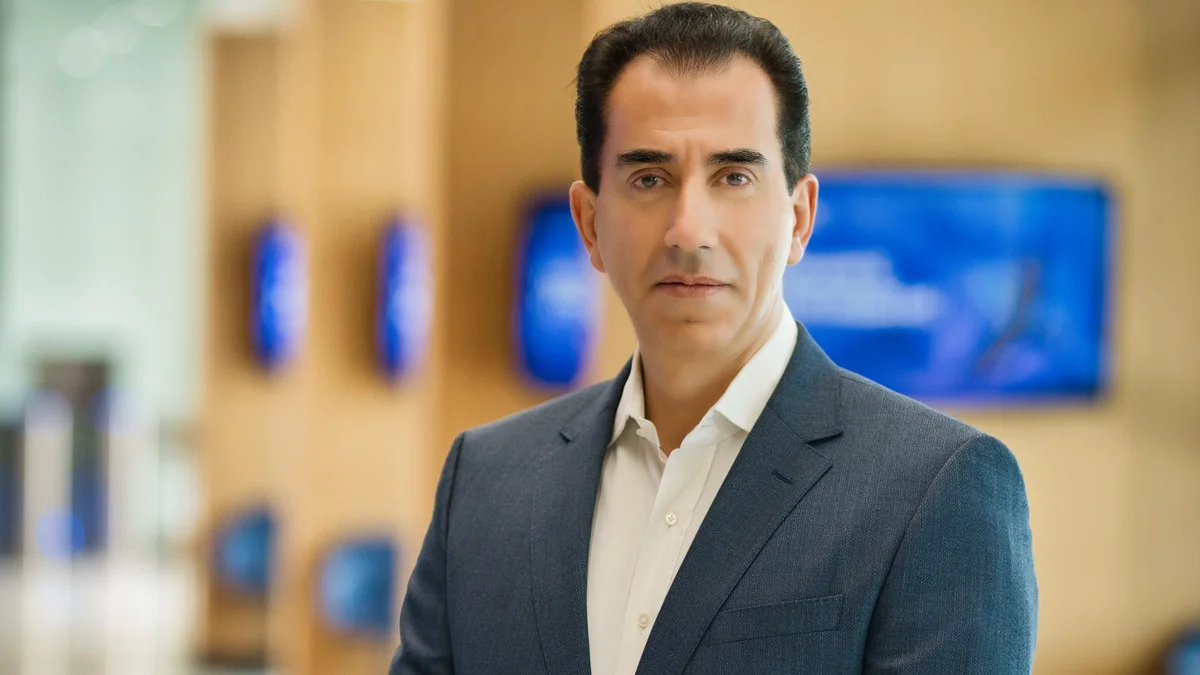
“SMEs are the backbone of an economy, and they drive the country’s growth, innovation and job creation. We are pleased with the collaboration with the UN’s Development Program (UNDP) and the International Trade Center (ITC) to reach out to Central Asia and bridge their trade capacities and prepare them for international trade,” said Hani Salem Sonbol, CEO of the International Islamic Trade Finance Corporation (ITFC).
“I am proud that ITC has provided its technical expertise in trade and market analysis at this workshop in partnership with the ITFC and UNDP.
“The Regional Trade Intelligence Training Program for Central Asia will enable participants from seven Central Asia countries to provide valuable advisory services to their local businesses and also allow them undertake market feasibility studies to help channel exports to the markets with the highest potential,” said Aichatou Pouye, director of division of market development at ITC.
Countries in the Central Asian region face increasing global competition for their main export products.
“We know that a $1 worth of investment in market intelligence leverages $35. So we need to give companies the support they require to take full advantage of global trade, and identify new niche products that are sustainable, create jobs and ultimately contribute to the Sustainable Development Goals,” said George Bouma, cluster leader, sustainable development in the UNDP.
To boost the Central Asian companies’ capacity to export, the new program will work closely with Trade Support Institutions from seven countries, as they play an important role in empowering companies in tackling market requirements and diversifying target markets.
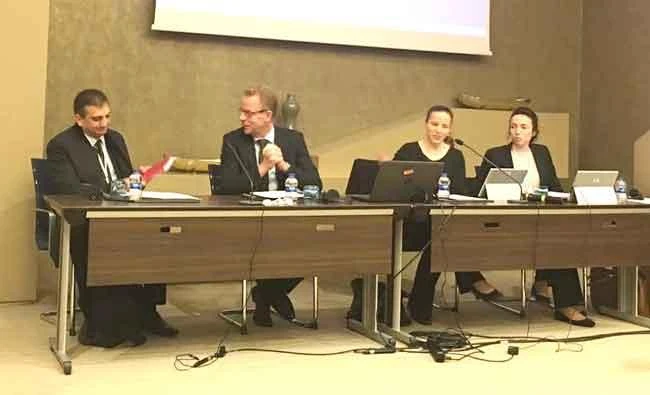
The participating countries in the first phase of the training program in Istanbul are Afghanistan, Azerbaijan, Kazakhstan, Kyrgyzstan, Tajikistan, Turkmenistan and Uzbekistan.
The program aims to help businesses to understand opportunities in trade flows, and focus on Trade Support Institutions (TSIs) to increase their familiarity and capacity to use available tools to identify export opportunities, as well as market entry requirements, to deliver these tools to their SMEs.
“SMEs are the backbone of an economy, and they drive the country’s growth, innovation and job creation. We are pleased with the collaboration with the UN’s Development Program (UNDP) and the International Trade Center (ITC) to reach out to Central Asia and bridge their trade capacities and prepare them for international trade,” said Hani Salem Sonbol, CEO of the International Islamic Trade Finance Corporation (ITFC).
“I am proud that ITC has provided its technical expertise in trade and market analysis at this workshop in partnership with the ITFC and UNDP.
“The Regional Trade Intelligence Training Program for Central Asia will enable participants from seven Central Asia countries to provide valuable advisory services to their local businesses and also allow them undertake market feasibility studies to help channel exports to the markets with the highest potential,” said Aichatou Pouye, director of division of market development at ITC.
Countries in the Central Asian region face increasing global competition for their main export products.
“We know that a $1 worth of investment in market intelligence leverages $35. So we need to give companies the support they require to take full advantage of global trade, and identify new niche products that are sustainable, create jobs and ultimately contribute to the Sustainable Development Goals,” said George Bouma, cluster leader, sustainable development in the UNDP.
To boost the Central Asian companies’ capacity to export, the new program will work closely with Trade Support Institutions from seven countries, as they play an important role in empowering companies in tackling market requirements and diversifying target markets.
The participating countries in the first phase of the training program in Istanbul are Afghanistan, Azerbaijan, Kazakhstan, Kyrgyzstan, Tajikistan, Turkmenistan and Uzbekistan.