- Al-Salmi’s creations have featured at the Olympics and the Asian Games
JEDDAH: Saudi fashion designer Alia Al-Salmi has made her mark by bringing traditional Saudi attire to the international sporting stage.
From the Paris 2024 Olympics to the Asian Winter Games in China in 2025 and the Winter Olympics in Milan in 2026, Al-Salmi has drawn on the Kingdom’s cultural heritage to create contemporary outfits for Saudi sporting representatives.
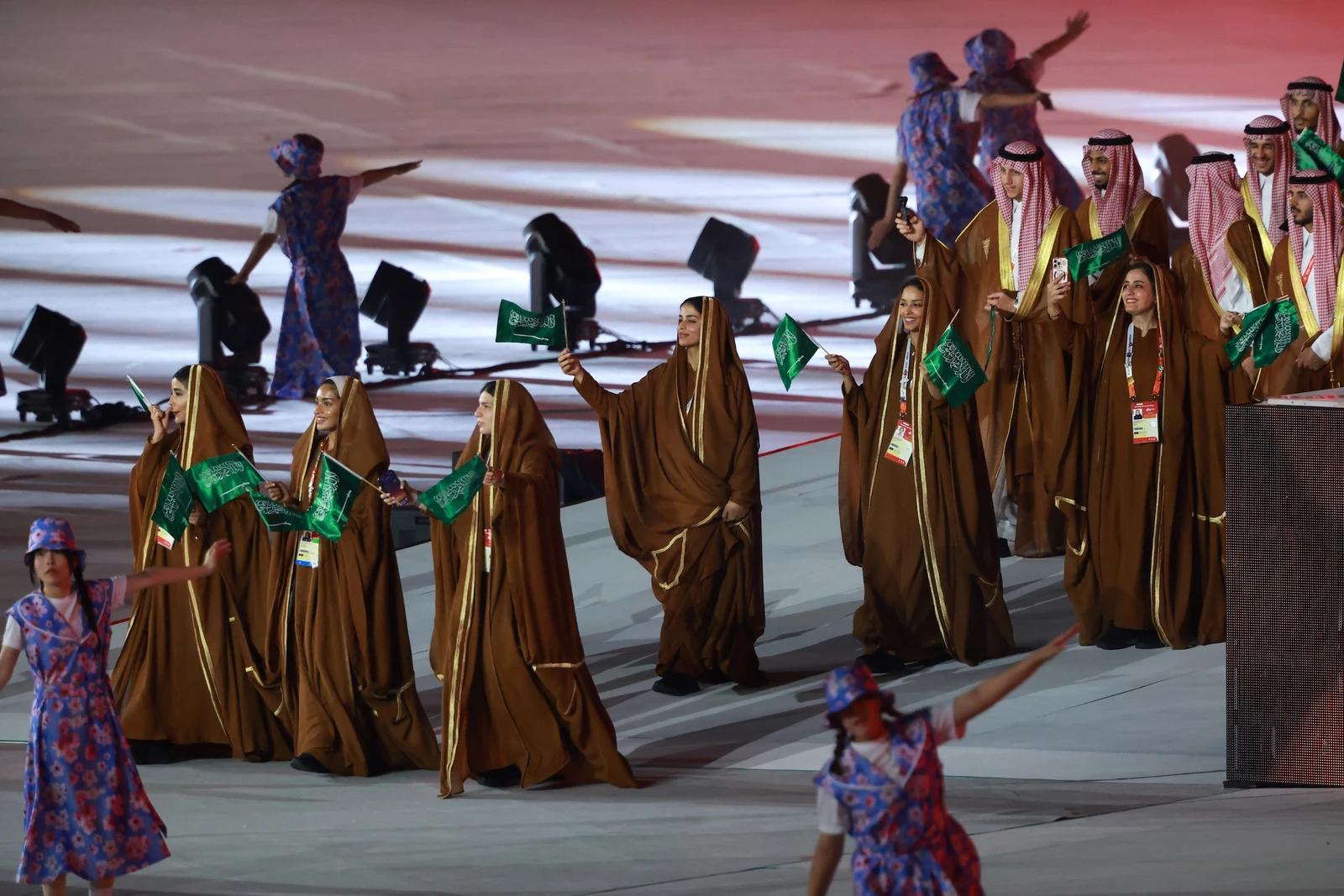
Her latest contribution was designing the Saudi delegation’s uniforms for the opening ceremony of the Asian Games Aichi-Nagoya 2026 in Japan on Sept. 19, continuing a journey that has become one of the most significant achievements of her career.
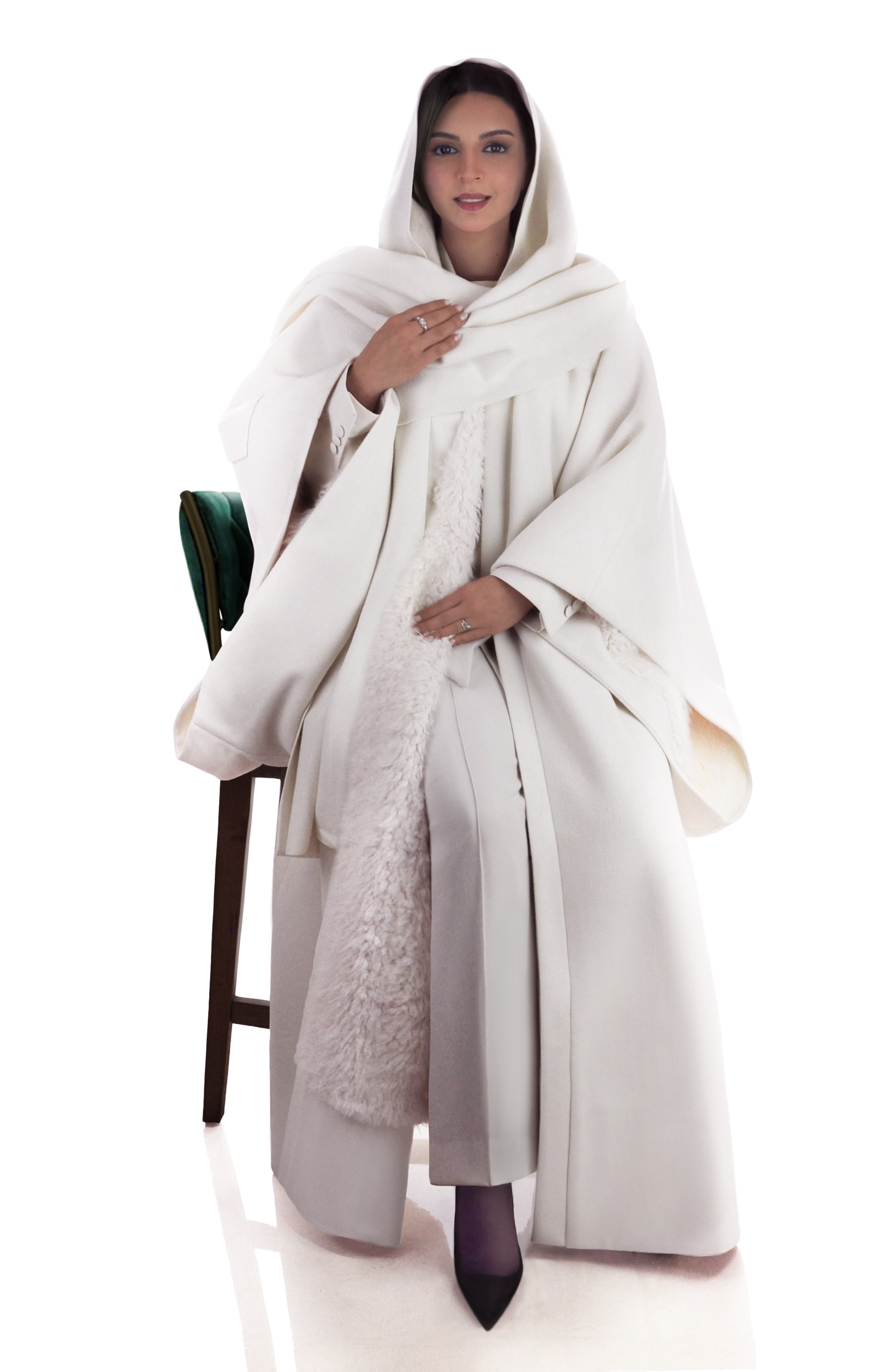
“My main goal is to make Saudi identity shine in global events and also to share our stories with the world in ways that inspire pride and admiration,” Al-Salmi tells Arab News.
Born and raised in Riyadh, with roots in Taif, Al-Salmi left school after getting married aged 15. Her passion for design had already developed, influenced by her mother, who designed her own clothes and co-managed a women’s tailoring salon with Al-Salmi’s paternal grandmother.
“My connection to fashion design began at an early age,” Al-Salmi says, recalling how working with her mother on her own wedding dress helped those around her recognize her potential as a designer.
“I have grown significantly, thankfully,” she continues. “Although I began practicing design at 15, turning it into a professional career has provided me with a wealth of experience and fostered my development, both professionally and personally.”
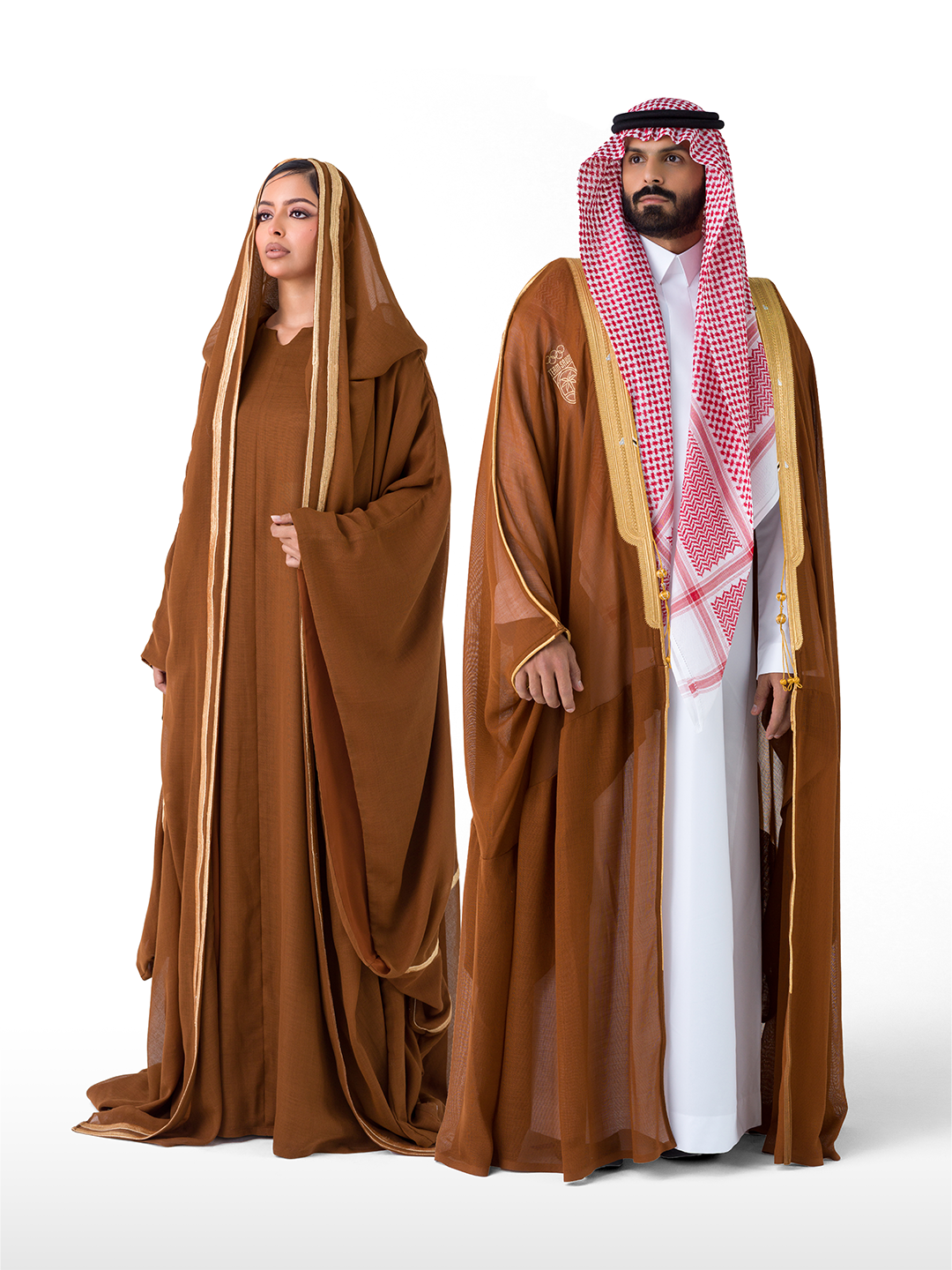
Her inspiration comes from “anything beautiful that catches my eye,” she says, but particularly “the beauty of our traditional attire, rich in creative details.”
This appreciation for heritage has become a defining feature of her work, particularly in designing uniforms for Saudi sporting delegations.
“My contributions to designing the Saudi team’s uniforms rank among my most significant achievements and are a badge of honor for me,” she says, adding that the experience had further refined her skills and opened new professional opportunities.
For Al-Salmi, representing the Kingdom through fashion involves more than incorporating traditional motifs. It requires translating Saudi identity into designs that are both contemporary and appropriate for the occasion.
“I always try to find similarities between men’s and women’s attire within our heritage,” she explains. She found common ground between the men’s summer bisht and the women’s Najdi thobe in their lightweight fabrics and straight gold Zari threads, then used these shared characteristics to create a visual connection, while preserving the distinctive identity of each garment.
Beyond sporting events, Al-Salmi sees fashion as a way of communicating Saudi culture to international audiences.
“Fashion is a universal visual language that requires no translation; through it, we can highlight Saudi culture and introduce it to the global community,” she says.