- Prime Minister Ali Al-Zaidi announced plans to increase crude oil production capacity to 10 million barrels per day by 2032.
- The draft 2027 budget is estimated at $165.6 billion, indicating a significant increase by 2032 compared to near-term fiscal plans.
- Iraq aims to enhance the investment climate by streamlining procedures and providing incentives like customs exemptions to attract capital.
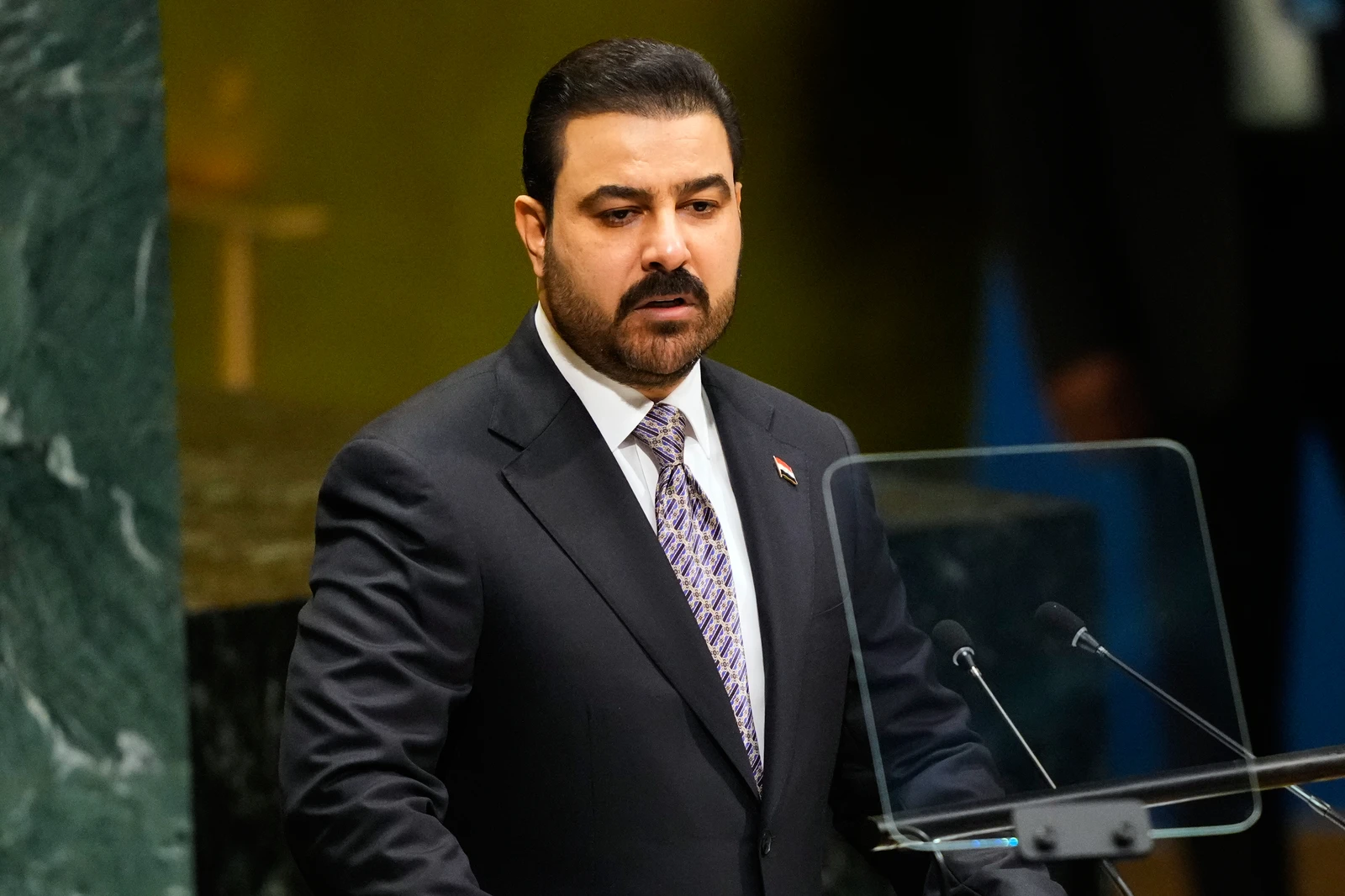
RIYADH: Iraq’s general budget is projected to exceed $300 billion by 2032 as the government seeks to boost investment and expand the country’s economic capacity, Prime Minister Ali Al-Zaidi said.
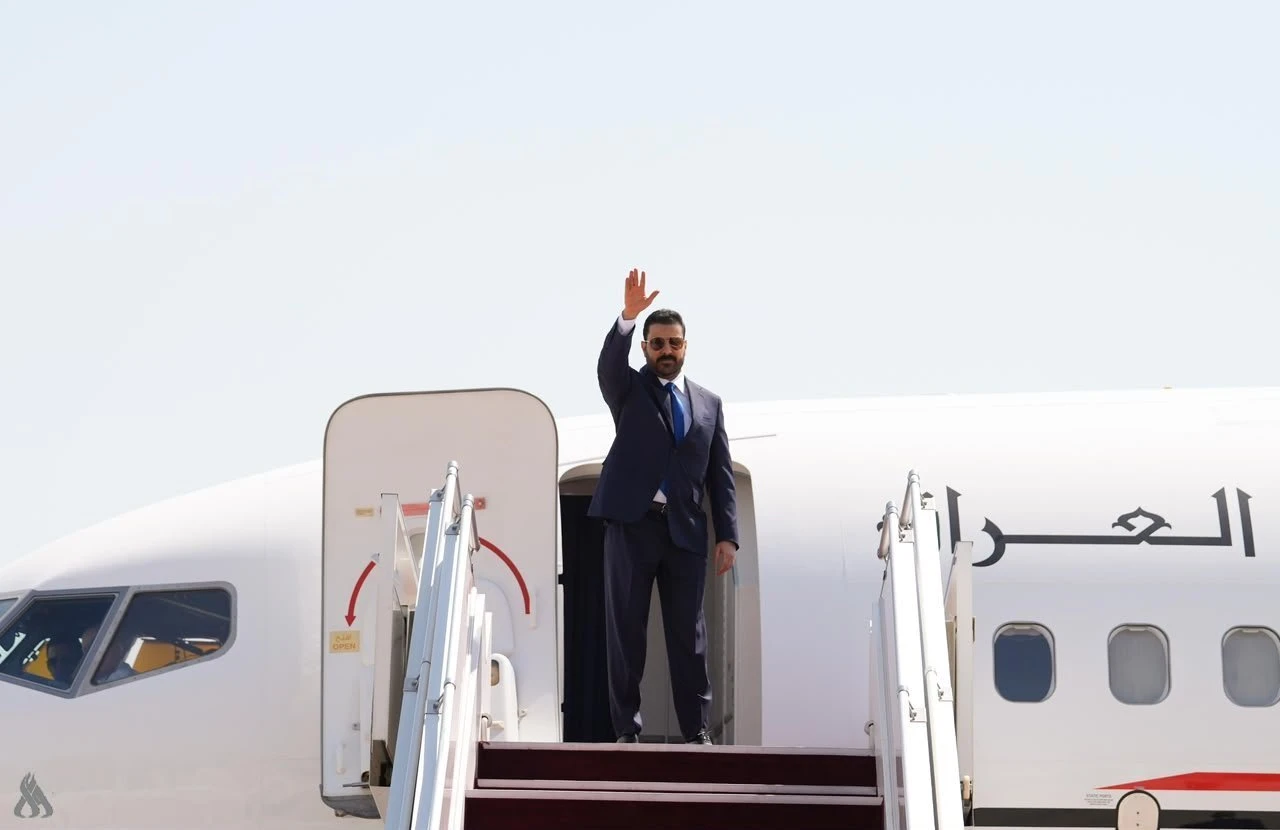
Speaking to a group of Iraqi businessmen from various sectors during his official visit to Amman, Al-Zaidi said Iraq also aims to raise crude oil production capacity to 10 million barrels per day by 2032.
Iraq’s projected budget of more than $300 billion in 2032 would represent a substantial increase from its near-term fiscal plans.
Iraq’s draft 2027 budget was estimated at $165.6 billion, according to Abbas Hayal, a member of parliament’s Finance Committee, as reported by Qatar News Agency.
Looking across the region, Saudi Arabia’s 2026 budget projected expenditure of SR1.31 trillion ($350 billion), while Qatar budgeted 220.8 billion riyals ($60.6 billion) and Jordan estimated public spending at 13.056 billion Jordanian dinars ($18.4 billion), according to the countries’ official budget statements.
“These 10 million barrels along with the non-oil revenues we are working on will all go into the general budget and it will all go toward expenses between infrastructure, services, and it will all be reflected in the market,” Al-Zaidi said.
Investment incentives, infrastructure plans
During the meeting, the prime minister outlined several policies and measures adopted by the Iraqi government to enhance the investment climate and attract capital to contribute to national development.
He emphasized that the country has made significant progress in creating opportunities to draw in more Arab and foreign investment by streamlining procedures, addressing investors' concerns, and safeguarding their rights in accordance with the Investment Law.
Al-Zaidi went on to note that Iraq offers a wealth of investment opportunities, and that the government has granted the private sector numerous incentives, including customs exemptions, to facilitate the implementation of development projects and create job opportunities for youth.
The prime minister also said construction on the extension of the “Development Road” project is expected to begin early next year, including plans to establish industrial cities.
He also highlighted that the Grand Faw Port will become fully operational for commercial shipping, positioning Iraq as a vital link between East and West and one of the world’s most important trade corridors.
Al-Zaidi also heard from business leaders on proposals for cooperation and coordination in implementing projects across various sectors, stressing the government’s commitment to promoting investment and creating opportunities across the economy.