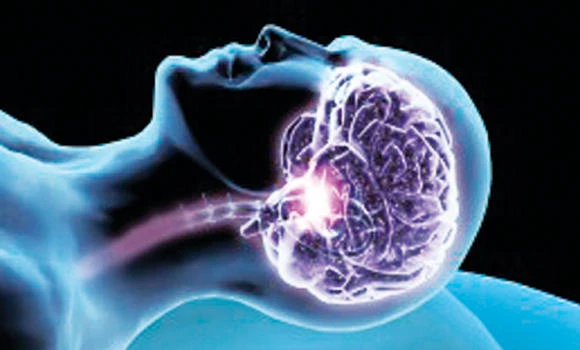
In the last two articles, I went into depth on how sleep deprivation and insufficient sleep could be at the root of many mental and physical disorders; how they affect the brain, mental health, organs, and systems; and how they could be causes of car crashes and disasters, which result through human error and misjudgment triggered by sleep loss. Sleep experts and scientists confirm this connection through scientific research and studies on humans.
Dr. Arkhilesh Reddy, body clock specialist, at the University of Cambridge, says that according to findings, poor sleep is linked to silent inflammation and its harmful effects on the immune system that lead to metabolic syndromes like obesity and diabetes type 2. He continues saying that “sleep is fundamentally important to regenerating all cells.”
A disrupted body clock could weaken the immune system, resulting in contracting infections more easily. Sleep scientists in the US believe that the time of the day could play a role in the development of infections. Scientific studies show how a protein in the immune system is influenced by body chemistry changes during different times of the day, increasing or decreasing the severity of infections.
This phenomenon leads experts to believe that treating physicians should find the appropriate time of day to administer drugs to patients in order to enhance drug effect on the infection. The body clock and time of the day when the body is receptive could increase the effectiveness of drugs. Scientists at Yale University School of Medicine found that patients with sepsis, blood poisoning, are more at risk of dying between 2:00 and 6:00 am. The link between the time of the day and the development of infection is probably due to the changes that occur during the 24 hours in certain proteins such as Toll-like receptor 9 (TLR9), which are involved in detecting bacteria and other pathogens. Disruption in the biological clock and sleep could delay healing, cause or increase risk of infections, or make the body less responsive to drugs at certain hours. If so, this makes a good night sleep and adequate times of the day very crucial for drugs to be administrated in order to achieve more effectiveness and healing.
Unfortunately, modern day lifestyles like demanding jobs, deadlines, night shifts, late night entertainment, reckless habits, and sacrificing sleep hours for trivialities have pushed people to make do with sleepless nights or minimum sleeping hours. The youth suffer the most in competitive schools, with demanding jobs, and meeting deadlines.
What makes people push the envelope when it comes to this lifestyle practice, is that they feel it is more convenient to sacrifice a few hours of night sleep than skipping a meal or anything else, because they find several available tools that help them in keeping awake like caffeine (coffee machines everywhere), drugs to keep alert, and bright light at night to help wakefulness.
Fortunately some, who recognize their bodies’ and brains’ needs, keep their sleep debt low and for very short periods. The human body is resilient enough to recover from short-term sleep loss. The good thing is that the body is able to make up for one night of very little sleep with a good nine to ten hours of sleep the following night. The body and brain need to recover from sleep loss in order to prevent health complications and infections.
According to a Harvard Medical School study, “Most adults need seven and a half to eight hours of night sleep to function at their best.” However, seniors do not have the same luxury and have difficulty sleeping the same number of hours at night, making them more prone to napping several times a day to compensate for the deficiency of sleep of the night before. It is important to recover lost sleep without delay.
One Arab News reader by the name of Umer Rasheed asked me to relay his e-mail to you, citing that during a Sleep Management Workshop in Riyadh, the attendants were advised to sleep early after Isha (evening) prayer (around 9 pm) until Fajr (dawn) prayer (around 4 am), plus taking a power nap around midday. He felt these hours gave him quality night sleep and made his day more productive. Sufficient night sleep and exposure to sunlight are important to health and wellbeing.
The good news is that you are able to catch up on sleep the night after deprivation, but without delay. That sleep usually consists of longer cycles of rapid eye movement, REM, along with slow wave sleep. The length of sleep cycles depends on the amount and quality of sleep of the night before. The body is programmed to compensate for lost sleep and adjust. According to experts, it is our built-in mechanism that responds to sleep loss, provided you give yourself the appropriate conditions, environment, and number of sleep hours. Your body will take care of itself!
These needs and sleep calls should be respected. Moreover as you age, the amount of time spent during REM and slow wave sleep are reduced. The quality of sleep also drops significantly. For example, at the age of sixty you may require 10 hours of sleep to maintain the same time having REM sleep that you were taking in seven hours at the age of twenty. In the course of a good night sleep, you could have six or seven of REM sleep cycles. The only substitute for sleep is nothing but to sleep, experts say.
As I explained before, we have 4 different stages of sleep. The first stage is the one when we are drowsy and relaxed, between wakefulness and sleep. The second one, we go into light sleep, the prelude to deep sleep. The heart rate begins to slow down and body temperature drops by half a degree. Stages 3 and 4 are very deep sleep; it becomes hard to wake up due to the activity of repair occurring in the body and brain. Cycle 3 is the slow wave sleep, which allows to repair body cells, tissue, muscles, organs, systems… It lasts from 60 to 100 minutes before we go into REM sleep, which is the last stage when dreams occur and the brain becomes alive with activity of developing, repairing, reorganizing, and reinforcing learning, memory, and cognitive skills. REM is the dream sleep, which switches the brain on to sort out information and compartmentalize them. The last two cycles are essential to the wellbeing of both body and brain.
All the activities of the body and brain during the last two sleep cycles only confirm and emphasize the necessity of having sufficient hours of quality sleep. One night of poor or insufficient sleep can be remedied the following night with 9 to 10 hours of restful sleep. However, long term or even short term sleep loss or debt can be detrimental to brain and body health. That is why sleep should neither to be neglected nor its importance overlooked.
Next week’s episode will contain more about sleep, insha’Allah.
References:
• “Body clock alters immune system” by James Gallagher
• “How Exhaustion Might Change the Way You Think,” by
Amanda Woerner
• “Emotions Run Amok in Sleep-deprived brains, ” by
Charles Q. Choi
• Ben Hirschler on sleep on Reuters
• CBS Lesley Stahl interview with Matthew Walker, director
of Sleep and Neuroimaging at the University of California, Berkeley
• “Good Sleep, Sociability may keep Grandma Healthy,” by
Megan Rauscher for Reuters.
• The Science of Good Sleep: There is a reason You’re Always So Tired by James Clear in Wellness
N.B.:
Individuals with medical conditions or on medication should consult their physicians when they decide to introduce anything new in their diet even if it is natural.
The previous Health Solutions articles are located at www. arabnews.com
—
Email: [email protected]
Don’t underestimate the importance of sleep (Part 6)