In the last five articles, I covered the seven rules suggested by Dr. D. Amen of the Amen Clinics located in several states across America.
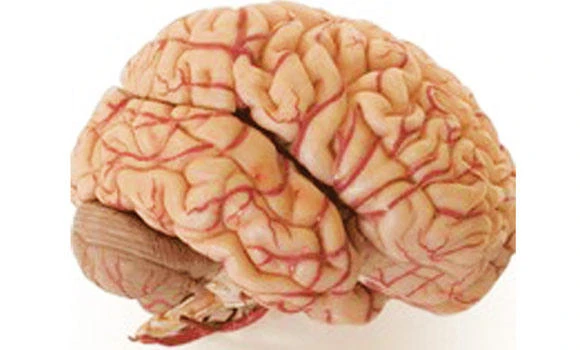
These rules suggest consuming nutrient dense foods that keep your brain in full form to send effective signals to the body to control obesity, improve brain responses and maintain robust health.
We have seen in previous articles how to make the body produce hormones like melatonin, which makes you sleep well at night and wake up energetic in the morning, serotonin to regulate mood, ghrelin to induce appetite and leptin to induce satiety and refrain from overconsumption.
These are only a handful of the numerous hormones that we take for granted and neglect to care for.
As discussed in earlier articles, Dr. Amen and other scientists stress that foods such as berries keep the brain from aging.
According to studies, berries, along with nuts, are brain cleansers that recycle toxic proteins associated with mental decline and memory loss. They even help reverse “age-related deficits in nerve functions, memory and learning behaviors.”
Berries were shown to re-energize the aging microglia (immune cells) and clear brain debris that speeds up aging.
In studies, apple polyphenols were shown to extend the life of lab animals, as well as revive their ability to walk and function, by reversing the biological markers caused by old age.
Fruit and vegetable antioxidants also proved to have anti-aging properties that nourish the body and protect the brain.
It is therefore necessary to include them in our diet to protect the brain and body and fight infection, disease, toxins, free radicals and cancer, as well as boost immunity.
However, consuming nutrient rich foods and practicing moderation in portions and lifestyle is far from sufficient.
Dr. Amen recommends the restriction of certain harmful foods and substances in order to protect the brain and body.
He suggests putting limits on caffeine intake. Caffeine is not only found naturally in coffee, tea and chocolate, but is also added in big quantities to soda, energy drinks and pep pills to give you energy and get you addicted to the product.
As caffeine occurs naturally in coffee, two cups a day will not harm. Dark and green tea also contain caffeine, but this natural element is counteracted by its calming effect.
In fact, in reasonable amounts, caffeine can be beneficial, as it energizes the brain, heart, and body.
Caffeine has diuretic characteristics, which make the body eliminate water. When this happens, it is important to replace lost fluids to prevent dehydration.
Too much caffeine can constrict the blood vessels and arteries, raising blood pressure, accelerating heartbeats and restricting blood flow to the brain and organs. Symptoms of rapid heartbeat include feeling jittery and nervous. If this is the case, consumption of caffeine should be stopped for medical reasons.
Studies show that 200 mg of raised inflammation markers and homocysteine levels are risk factors for developing heart disorders.
Other studies showed have linked excessive caffeine intake with increased insulin resistance and blood sugar levels, which lead to diabetes type 2, a devastating disease that leads to a cascade of other disorders.
High caffeine intake causes tenseness in the muscles.
It also irritates the stomach lining, increasing the risk of stomach ulcers. Apart from being addictive in high amounts and causing withdrawal symptoms such as headaches, fatigue, and irritability, it results in dehydration of the brain and body.
Caffeine also disturbs sound sleep. The brain requires a good eight hours of sleep a night in order to repair cells, regulate mood and appetite and regenerate skin. Sleep patterns get disrupted, as caffeine inhibits adenosine, a chemical that regulates bedtime hours. This can lead to sleep deprivation, mental disturbances and low energy.
Fertility also gets compromised with excessive caffeine intake, which has been linked to preterm birth, birth defects, low fetal birth weight due to blood restriction, miscarriages and difficulty conceiving.
On the other hand, certain studies suggest that moderate amounts of ordinary or decaffeinated coffee lowered the incidence of Parkinson’s disease, colon cancer and diabetes, as well as brain plaques, a cause factor of Alzheimer’s disease.
This could be due to the polyphenols and antioxidants found in the coffee bean, as decaf coffee gives similar results.
Canned, preserved and pre-prepared foods, processed and marinated meats and salted nuts and crackers have become a health hazard due to the large amounts of salt contained in such products.
The habit of freely sprinkling table salt without tasting food first is harmful. For seasoning salad and cooking and marinating meat, fish and poultry, use unrefined marine salt, which contains more minerals such as iodine and offers more flavor than refined table salt.
Dr. Amen suggests substituting salt with potassium, found in health stores, if you are hypertensive. A 1997 study in the Journal of the American Association found that dietary supplements derived from fruit (bananas, melon, kiwi, oranges), vegetable (leafy greens, beans) and lean meat resulted in lowering blood pressure.
It is important to read labels for sodium (contained in salt), sucrose and other type of sugar molecules (maltose, fructose, dextros), hydrogenated oils (carcinogens), monosodium glutamate (MSG) and sugar substitutes (neurotoxins) and other harmful ingredients like artificial flavors and colorings (E followed by a number).
Alcohol and drugs are other damaging substances to the brain.
Staying more than five hours without food can make blood sugar levels drop, resulting in irritability, short-temperedness, low energy and slower thinking and processing. Blood sugar should be kept balanced by having small, protein-rich snacks such as low-fat yogurt and whole nuts, complex carbohydrates (raw veggies, whole or dried fruits), and healthy fats, which are low in calories and free of simple sugars and refined carbs, in order to energize the brain and body. Overeating can defeat the purpose of a healthy diet.
Snack bars, baked goods and candy are loaded with added simple sugars, artificial sweeteners, high fructose corn syrup (HFCS), preservatives, taste enhancers, artificial colors and tastes, and trans fats (chips, crackers). Fresh raw veggies, boiled egg, low fat cottage cheese or yogurt, dried fruits (apricots, berries) and raw or roasted nuts (no salt, no added fats) are good alternatives.
Dr. Amen recommends for midmorning or afternoon snacks such as fresh veggies sticks with hummus dip; bell peppers with guacamole; celery with almond butter; apple slices or banana with almond butter; plain yogurt with berries; egg whites with hummus or foul (fava beans); turkey and apple slices with some almonds; or steamed edemame or tirmis (a type of Egyptian beans).
When I visited Copenhagen and Stockholm, I noticed that most passers-by or bikers had bananas tucked in their backpacks. I was told this is a popular snack. Athletes also rely on bananas for sustainable energy. Raw or roasted nuts are filling and provide good fats and nutrients. The English faithfully respect their teatime, but the clotted cream, jam, and scones offer very little benefits and are not healthy snacks.
Next week, I will explore another health-damaging aspects found in common foods.
References:
Use Your Brain to Change your Age, Daniel Amen, M.D.
N.B.:
Individuals with medical conditions or on medication should consult their physicians when they decide to introduce anything new in their diet, even if it is natural.
Previous Health Solutions articles are located on www.arabnews.com
Email: [email protected]