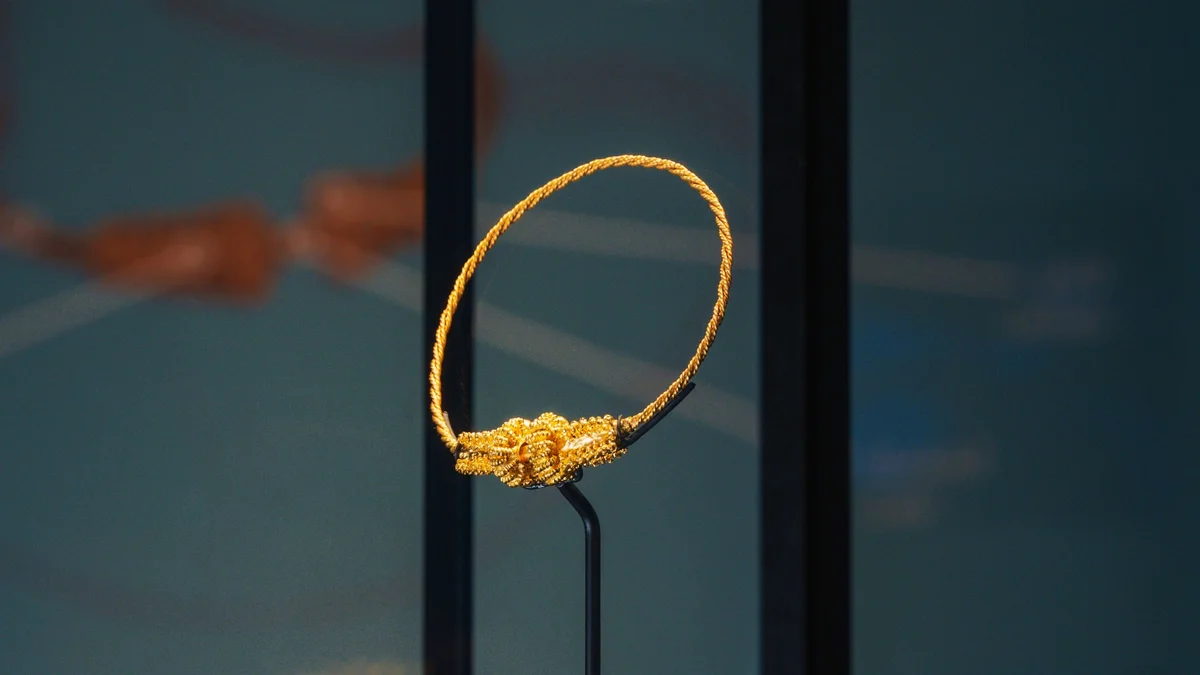
DUBAI: What can a gold necklace crafted more than 2,000 years ago tell us about the ingenuity and technical expertise of an ancient civilization?
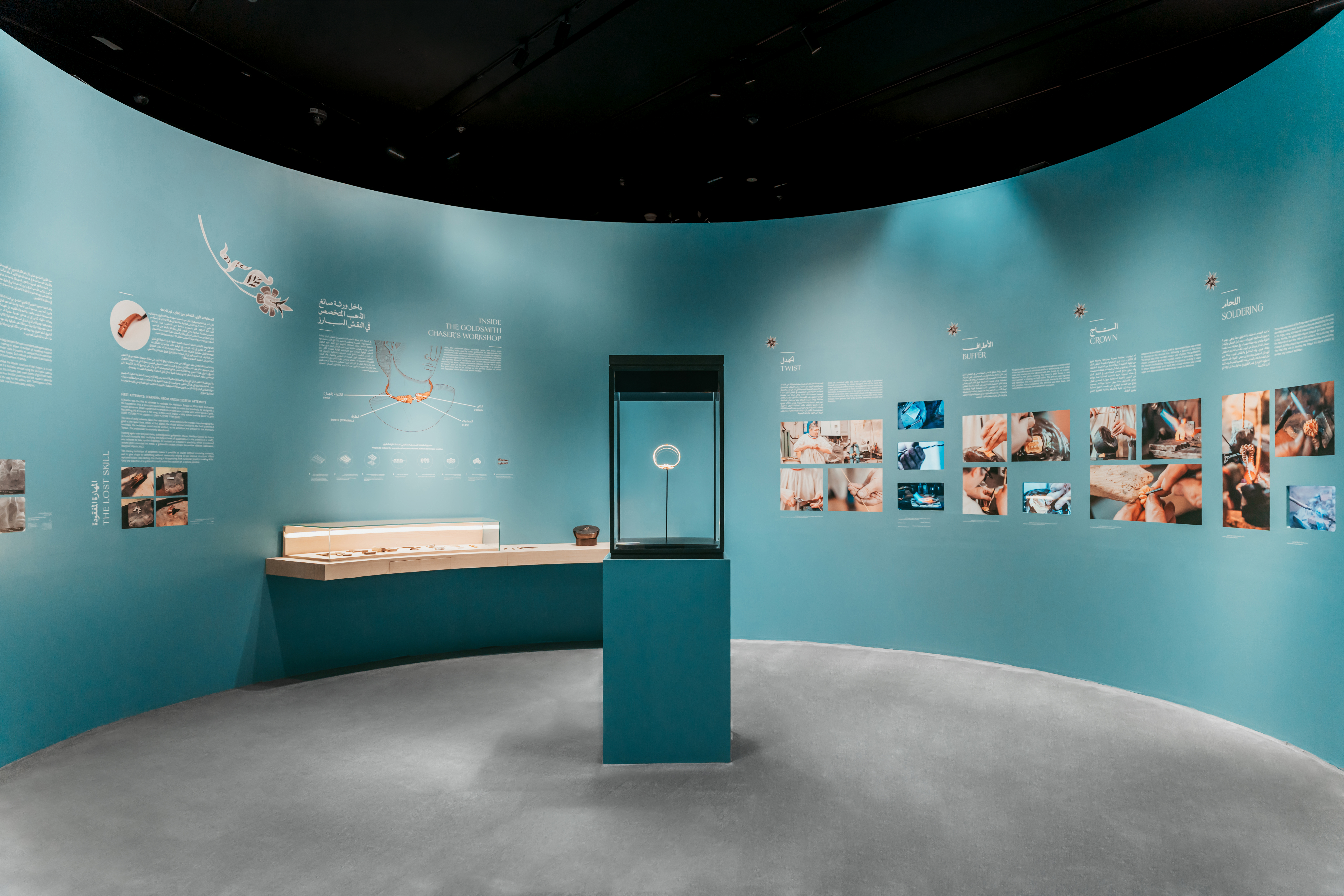
That is the question at the heart of “Recreating Gesture: Crafting a Gold Necklace from the Iron Age,” an exhibition at L’ECOLE Middle East, School of Jewelry Arts, in Dubai Design District, running until April 24, 2027.
Having previously been staged in Paris, Lyon, Seoul and Shanghai, the exhibition explores the findings of an experimental archaeology project centered on the Celtic Torque of Montans, a gold collar discovered in France in 1843 and dating back to the Second Iron Age (450-25 B.C.).
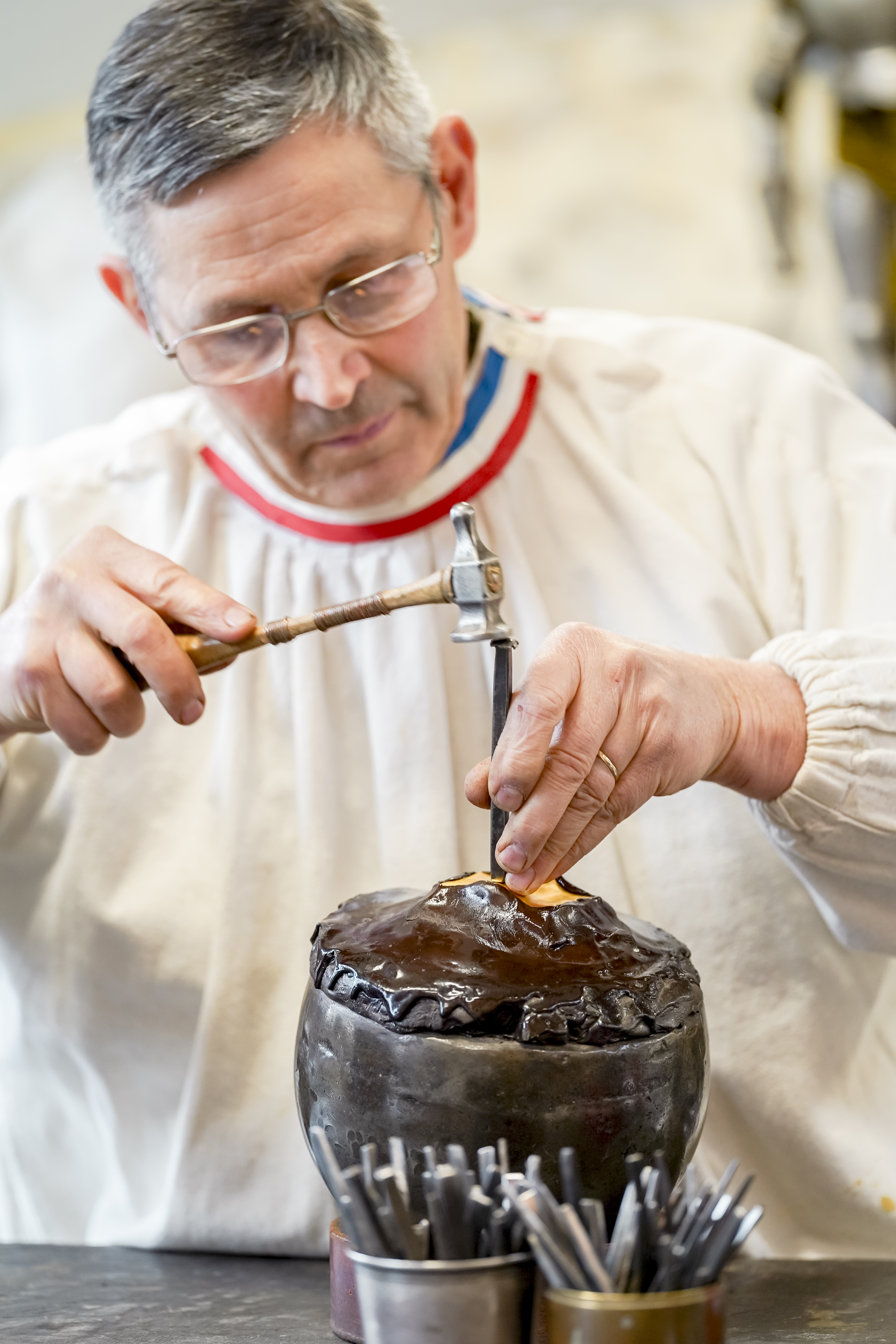
Rather than simply examining the artifact, researchers and master goldsmith Antoine Legouy recreated the piece using the tools and techniques available to its original makers.
“The recreation process relied on historical tools and techniques, factoring in the conditions of that era, which enables us to comprehend how a goldsmith manufactured this uniquely special artefact,” May El-Hage, art historian and lecturer at the institute, told Arab News.
Developed in partnership with the Centre Archeologique de Montans and France’s Musee d’Archeologie Nationale, the exhibition showcases the recreated 24-karat gold necklace alongside the tools and materials used in its production, as well as a documentary charting the research process.
The original piece, fashioned from twisted and hammered sheets of gold and featuring decorated floral terminals, also offers insights into the social significance of jewelry in Celtic and Gallic cultures.
“Up to the fourth century B.C., high-ranking figures were buried with torques. Additionally, Greco-Roman writings record that warriors wore gold torques in combat,” El-Hage said, adding that “following the mid-third century B.C., gold torques were no longer placed in graves, indicating they were worn by specific people and that this shift likely reflected their function as ‘paleocurrencies’ or social money denoting status.”
The Dubai edition of the exhibition extends the conversation beyond Europe, drawing parallels with archaeological discoveries in the Arabian Peninsula, particularly at Saruq Al-Hadid in Dubai.
Discoveries at these sites shed light on ancient metalworking techniques.
“Particularly across the Arabian Peninsula, including the territories of the modern-day UAE, its crafting represented luxury while also demonstrating advanced technical expertise and artistic skill,” El-Hage said of gold.
“Saruq Al-Hadid became a major hub for metalworking during the Iron Age II era, presently dated between 1,000 and 600 B.C. Site investigations uncovered high-status items, including ceremonial weaponry and jewellery.”