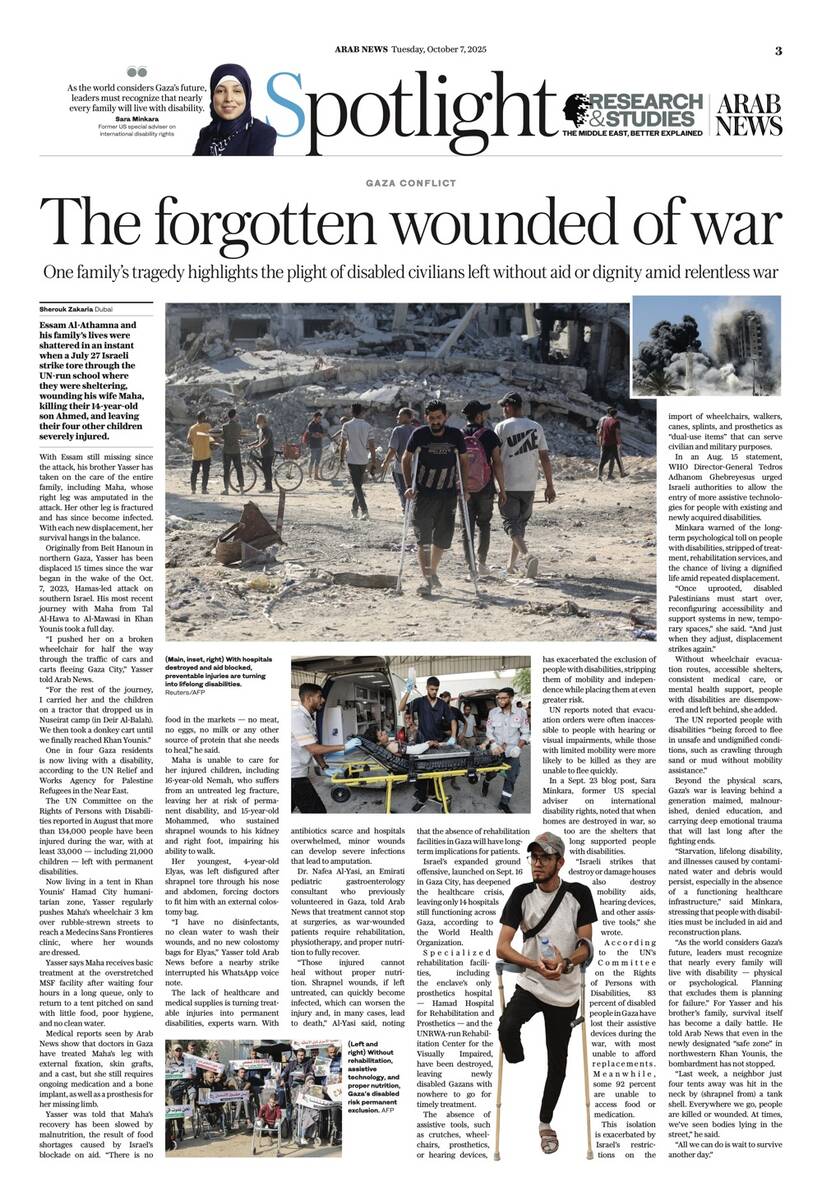

- With hospitals destroyed and aid blocked, preventable injuries in Gaza are turning into lifelong disabilities, amputations, and avoidable deaths
- UN experts warn that without rehabilitation, assistive technology, and proper nutrition, Gaza’s disabled face permanent exclusion and lasting trauma
DUBAI: Essam Al-Athamna and his family’s lives were shattered in an instant when a July 27 Israeli strike tore through the UN-run school where they were sheltering, leaving his wife Maha permanently disabled, killing their 14-year-old son Ahmed, and severely wounding their four other children.
With Essam still missing since the attack, his brother Yasser has taken on the care of the entire family, including Maha, whose right leg was amputated in the attack. Her other leg is fractured and has since become infected. With each new displacement, her survival hangs in the balance.
Originally from Beit Hanoun in northern Gaza, Yasser has been displaced 15 times since the war began in the wake of the Oct. 7, 2023, Hamas-led attack on southern Israel. His most recent journey with Maha from Tal Al-Hawa to Al-Mawasi in Khan Younis took a full day.
“I pushed her on a broken wheelchair for half the way through the traffic of cars and carts fleeing Gaza City,” Yasser told Arab News.
“For the rest of the journey, I carried her and the children on a tractor that dropped us in Nuseirat camp (in Deir Al-Balah). We then took a donkey cart until we finally reached Khan Younis.”
People with disabilities are among the most at risk amid the conflict — often unable to flee bombardments, cut off from aid, and with limited access to medical care.
One in four Gaza residents is now living with a disability, according to the UN Relief and Works Agency for Palestine Refugees in the Near East.
The UN Committee on the Rights of Persons with Disabilities reported in August that more than 134,000 people have been injured during the war, with at least 33,000 — including 21,000 children — left with permanent disabilities.
Rights groups warned that the besieged enclave is now home to the largest number of child amputees in modern history, with 10 children on average losing one or both legs every day by mid-2024.
Their plight is compounded by the collapse of Gaza’s healthcare system, famine, repeated displacement, and the unsanitary conditions of makeshift camps.
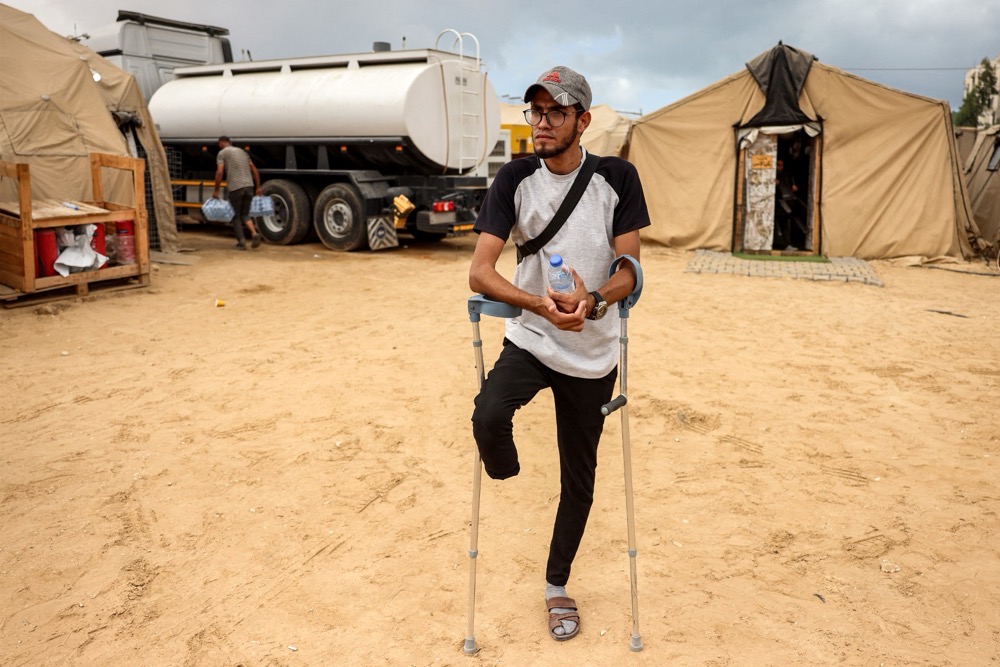
Now living in a tent in Khan Younis’ Hamad City humanitarian zone, Yasser regularly pushes Maha’s wheelchair 3 km over rubble-strewn streets to reach a Medecins Sans Frontieres clinic, where her wounds are dressed.
Yasser says Maha receives basic treatment at the overstretched MSF facility after waiting four hours in a long queue, only to return to a tent pitched on sand with little food, poor hygiene, and no clean water.
Medical reports seen by Arab News show that doctors in Gaza have treated Maha’s leg with external fixation, skin grafts, and a cast, but she still requires ongoing medication and a bone implant, as well as a prosthesis for her missing limb.
Yasser was told that Maha’s recovery has been slowed by malnutrition, the result of food shortages caused by Israel’s blockade on aid. “There is no food in the markets — no meat, no eggs, no milk or any other source of protein that she needs to heal,” he said.
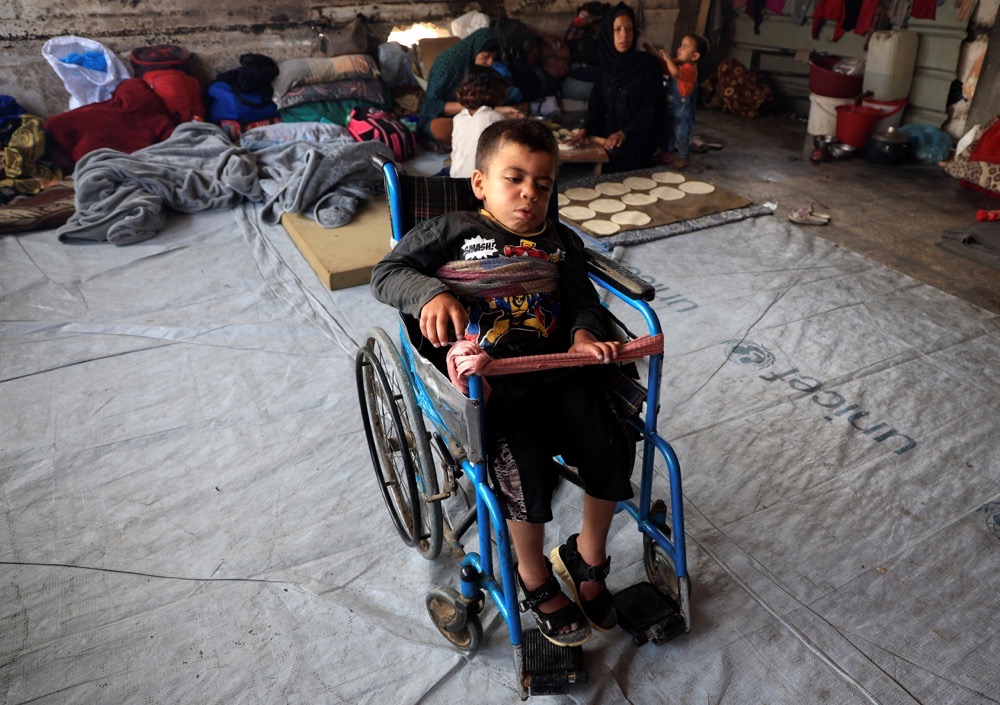
Maha is unable to care for her injured children, including 16-year-old Nemah, who suffers from an untreated leg fracture, leaving her at risk of permanent disability, and 15-year-old Mohammed, who sustained shrapnel wounds to his kidney and right foot, impairing his ability to walk.
Her youngest, 4-year-old Elyas, was left disfigured after shrapnel tore through his nose and abdomen, forcing doctors to fit him with an external colostomy bag.
“I have no disinfectants, no clean water to wash their wounds, and no new colostomy bags for Elyas,” Yasser told Arab News before a nearby strike interrupted his WhatsApp voice note.
The lack of healthcare and medical supplies is turning treatable injuries into permanent disabilities, experts warn. With antibiotics scarce and hospitals overwhelmed, minor wounds can develop severe infections that lead to amputation.
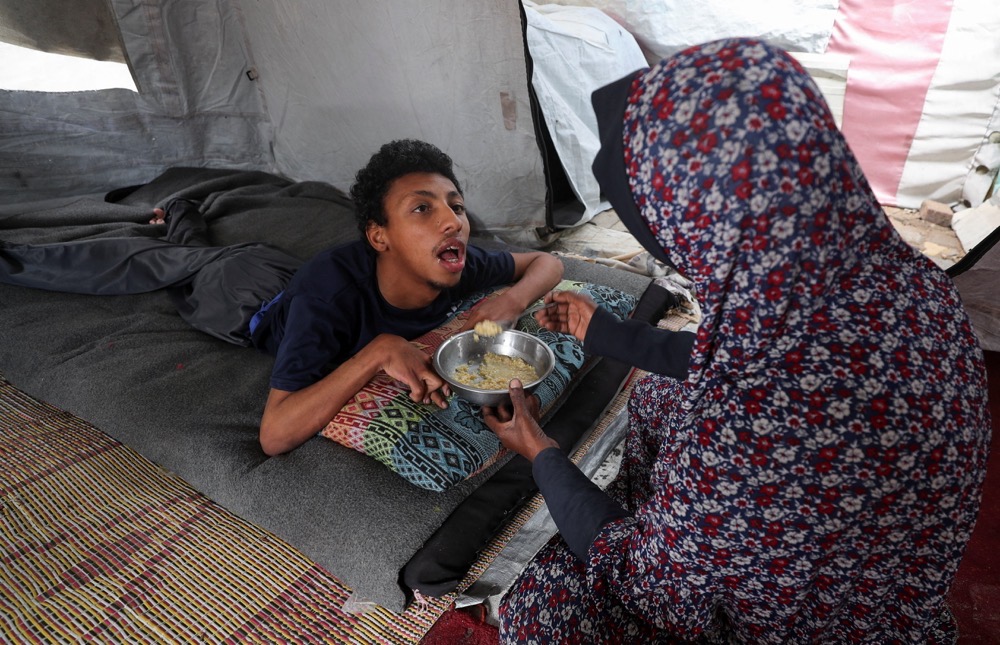
Dr. Nafea Al-Yasi, an Emirati pediatric gastroenterology consultant who previously volunteered in Gaza, told Arab News that treatment cannot stop at surgeries, as war-wounded patients require rehabilitation, physiotherapy, and proper nutrition to fully recover.
“Those injured cannot heal without proper nutrition. Shrapnel wounds, if left untreated, can quickly become infected, which can worsen the injury and, in many cases, lead to death,” Al-Yasi said, noting that the absence of rehabilitation facilities in Gaza will have long-term implications for patients.
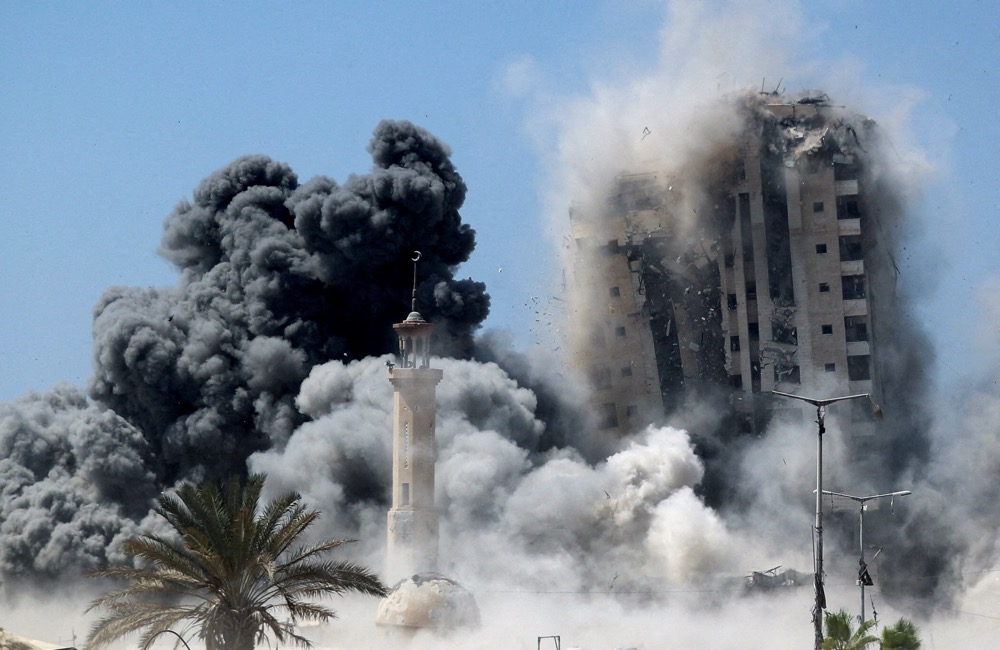
Israel’s expanded ground offensive, launched on Sept. 16 in Gaza City, has deepened the healthcare crisis, leaving only 14 hospitals still functioning across Gaza, according to the World Health Organization.
Eight of these are in Gaza City, three in Deir Al-Balah, and three in Khan Younis, with none operating at full capacity, the WHO reported on Sept. 26.
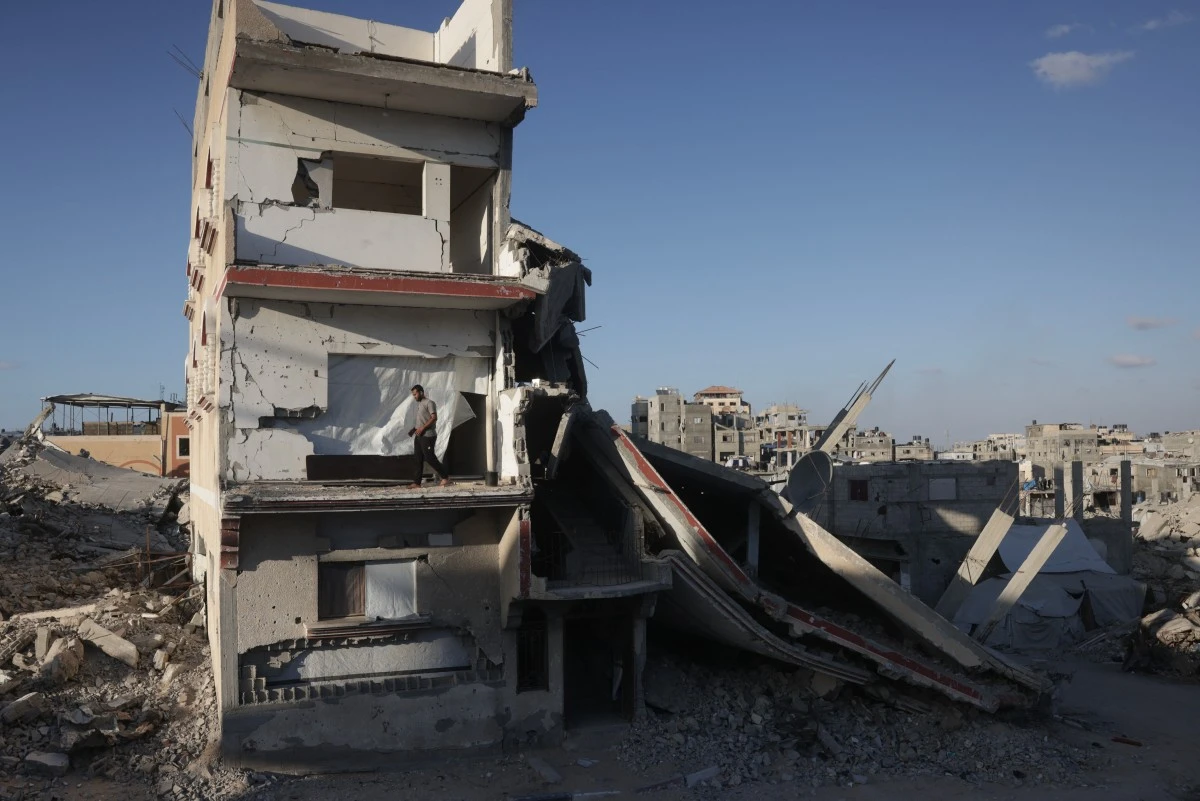
Specialized rehabilitation facilities, including the enclave’s only prosthetics hospital — Hamad Hospital for Rehabilitation and Prosthetics — and the UNRWA-run Rehabilitation Center for the Visually Impaired, have been destroyed, leaving newly-disabled Gazans with nowhere to go for timely treatment.
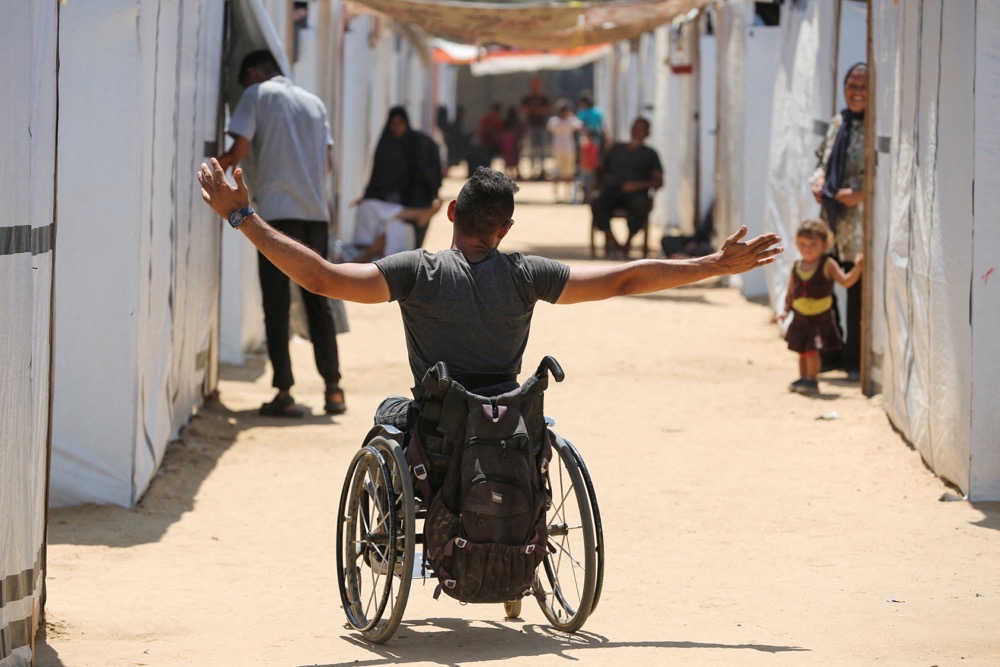
The absence of assistive tools, such as crutches, wheelchairs, prosthetics, or hearing devices, has exacerbated the exclusion of people with disabilities, stripping them of mobility and independence while placing them at even greater risk.
UN reports noted that evacuation orders were often inaccessible to people with hearing or visual impairments, while those with limited mobility were more likely to be killed as they are unable to flee quickly.
Meanwhile, people with mobility impairments who have no family or friends are often unable to collect food or other aid on their own, leaving them excluded from relief.
In a Sept. 23 blog post, Sara Minkara, former US special adviser on international disability rights, noted that when homes are destroyed in war, so too are the shelters that long supported people with disabilities.
“Israeli strikes that destroy or damage houses also destroy mobility aids, hearing devices, and other assistive tools,” she wrote.
According to the UN’s Committee on the Rights of Persons with Disabilities, 83 percent of disabled people in Gaza have lost their assistive devices during the war, with most unable to afford replacements. Meanwhile, some 92 percent are unable to access food or medication.
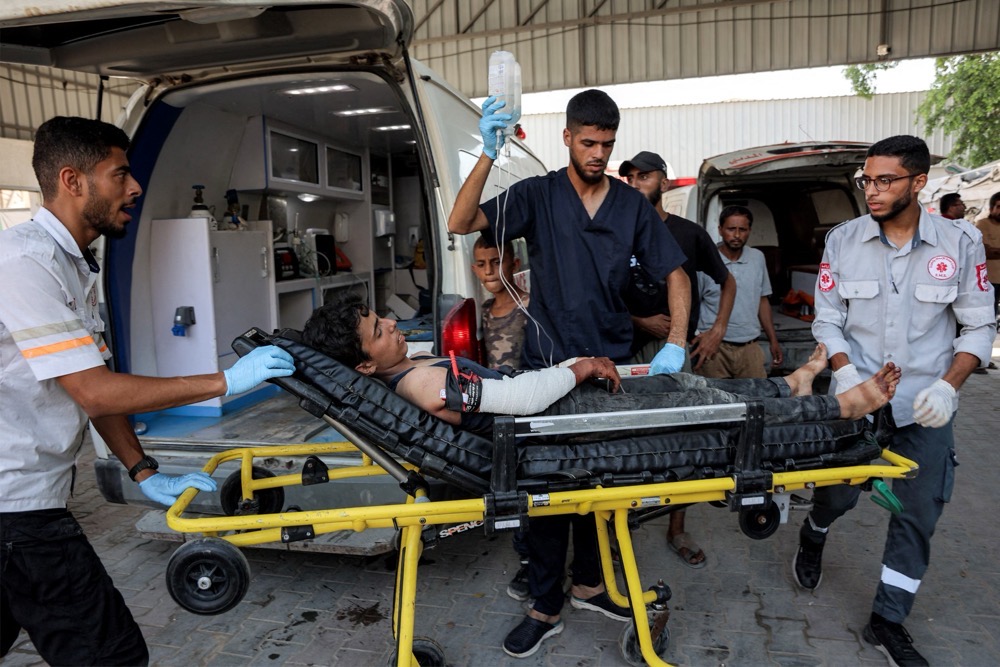
This isolation is exacerbated by Israel’s restrictions on the import of wheelchairs, walkers, canes, splints, and prosthetics as “dual-use items” that can serve civilian and military purposes, preventing these essential assistive tools from being included in aid shipments.
In an Aug. 15 statement, WHO Director-General Tedros Adhanom Ghebreyesus urged Israeli authorities to allow the entry of more assistive technologies for people with existing and newly acquired disabilities.
He also called for expanded medical evacuations to provide specialized, immediate care for the disabled, adding that such measures were vital until a permanent ceasefire is reached.
Minkara warned of the long-term psychological toll on people with disabilities, stripped of treatment, rehabilitation services, and the chance of living a dignified life amid repeated displacement.
“Once uprooted, disabled Palestinians must start over, reconfiguring accessibility and support systems in new, temporary spaces,” she said. “And just when they adjust, displacement strikes again.”
Without wheelchair evacuation routes, accessible shelters, consistent medical care, or mental health support, people with disabilities are disempowered and left behind, she added.
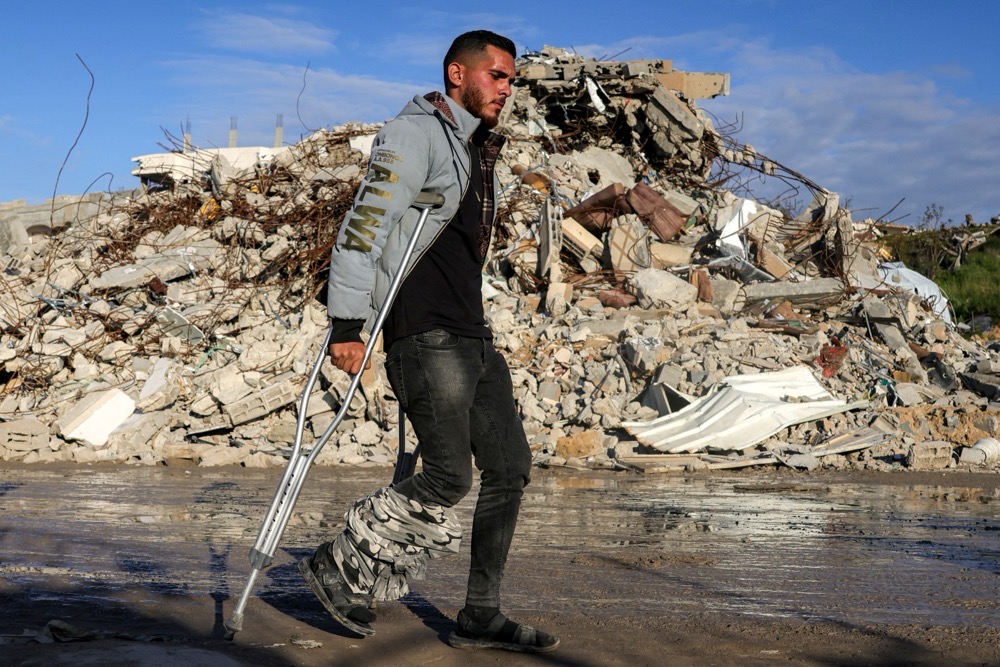
The UN reported people with disabilities “being forced to flee in unsafe and undignified conditions, such as crawling through sand or mud without mobility assistance.”
Beyond the physical scars, Gaza’s war is leaving behind a generation maimed, malnourished, denied education, and carrying deep emotional trauma that will last long after the fighting ends.
“Starvation, lifelong disability, and illnesses caused by contaminated water and debris would persist, especially in the absence of a functioning healthcare infrastructure,” said Minkara, stressing that people with disabilities must be included in aid and reconstruction plans.
“As the world considers Gaza’s future, leaders must recognize that nearly every family will live with disability — physical or psychological. Planning that excludes them is planning for failure.”
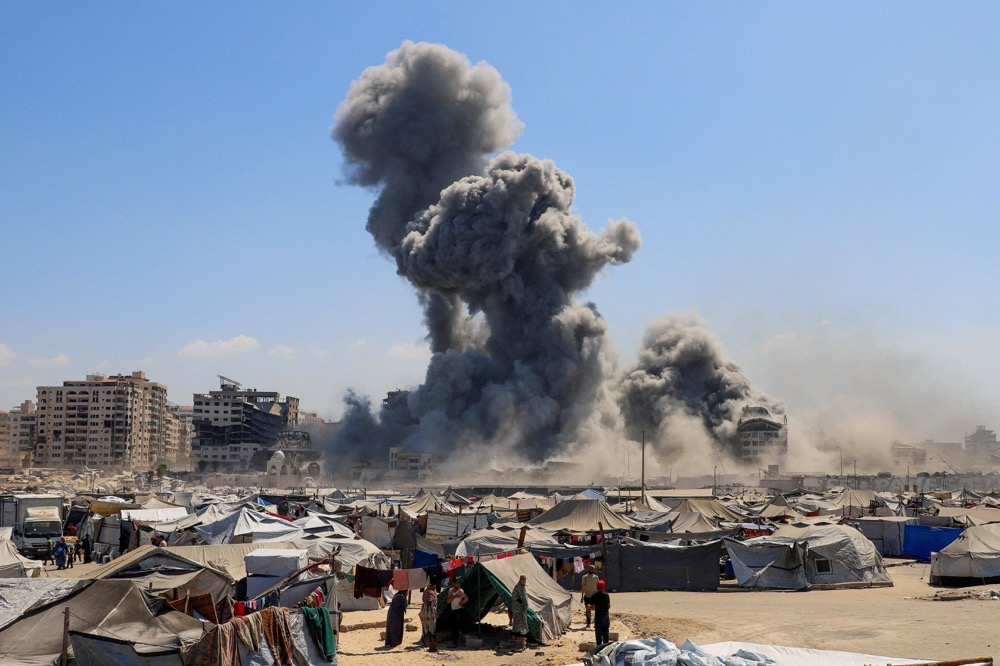
For Yasser and his brother’s family, survival itself has become a daily battle. He told Arab News that even in the newly designated “safe zone” in northwestern Khan Younis, the bombardment has not stopped.
“Last week, a neighbor just four tents away was hit in the neck by (shrapnel from) a tank shell. Everywhere we go, people are killed or wounded. At times, we’ve seen bodies lying in the street,” he said.
“All we can do is wait to survive another day.”