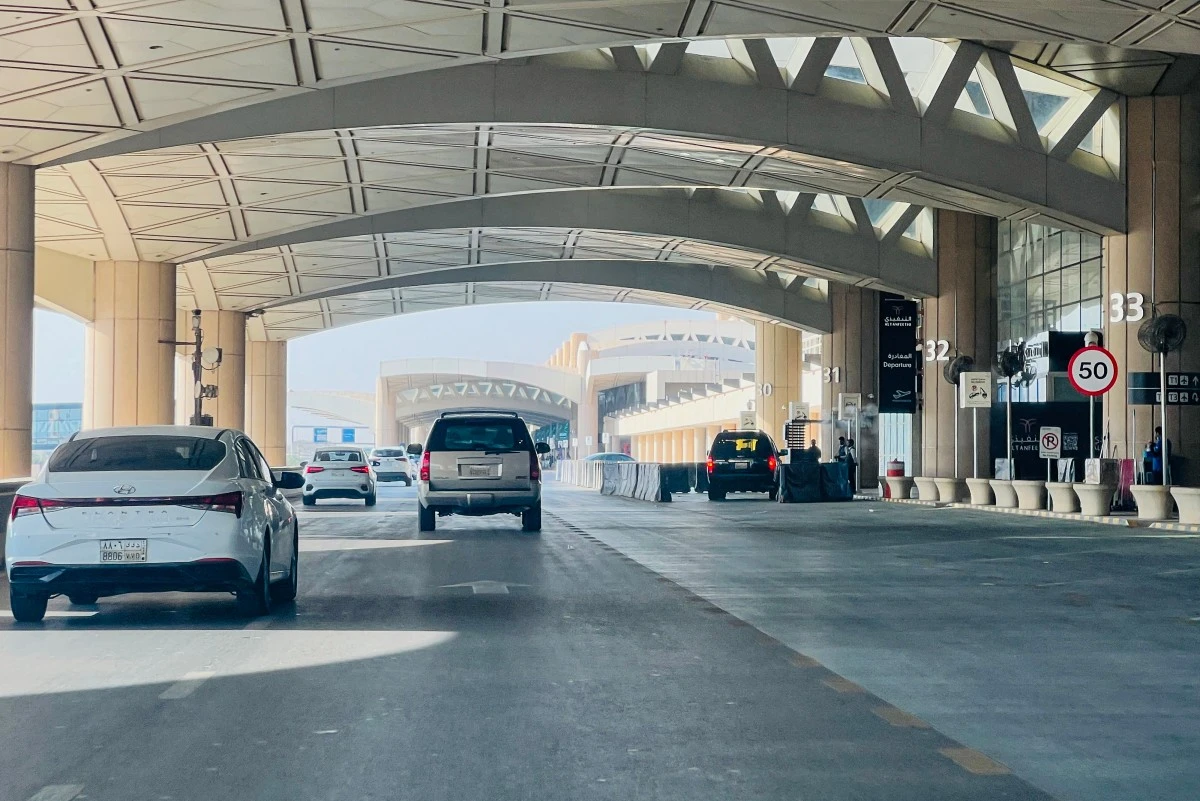
- Saudi initiative streamlines Hajj travel for pilgrims across Africa
- Elderly and disabled pilgrims praise Kingdom’s humanitarian Hajj services
RIYADH: Saudi Arabia’s Makkah Route Initiative is transforming the Hajj for thousands of pilgrims across Africa, highlighting the program’s humanitarian reach as Muslims worldwide prepare for the annual pilgrimage beginning on May 25.
Among the most poignant scenes reported by the Saudi Press Agency recently was that of a 100-year-old Moroccan pilgrim seen departing from Rabat-Sale International Airport, leaning on a walking stick as he quietly recited the talbiyah prayer before boarding his flight to Saudi Arabia.
Surrounded by Saudi Arabia staff providing special assistance, the centenarian completed passport procedures with ease, fulfilling what appeared to be a lifelong dream of performing Hajj after waiting for more than a century.
The Makkah Route Initiative, launched in 2017 under Saudi Vision 2030, allows pilgrims to complete immigration, customs and health procedures in their home countries before departure, enabling them to arrive in the Kingdom as though on a domestic flight.
At Dakar’s Blaise Diagne International Airport, Senegalese pilgrims described an atmosphere of joy and relief as the initiative made its debut in the West African nation this year.

Streamlined process
Mahmoud Harun Sala, imam of the grand mosque in the city of Velingara, said the streamlined process allowed pilgrims to focus on the spiritual significance of the journey rather than travel formalities.
“We are overcome with indescribable joy,” he said. “The mere thought of standing before the Holy Kaaba fills our hearts with elation.”
He added that easier access to the holy sites of Mina, Arafat and Muzdalifah strengthened pilgrims’ faith and renewed “the spirit of Islam.”
The initiative also handles luggage tagging and transportation directly to pilgrims’ accommodation in Saudi Arabia, while modern technologies have been deployed to speed up processing.
In Ivory Coast, teacher Khadija Traore said she viewed her role guiding pilgrims during the Hajj season as both a humanitarian and spiritual responsibility.
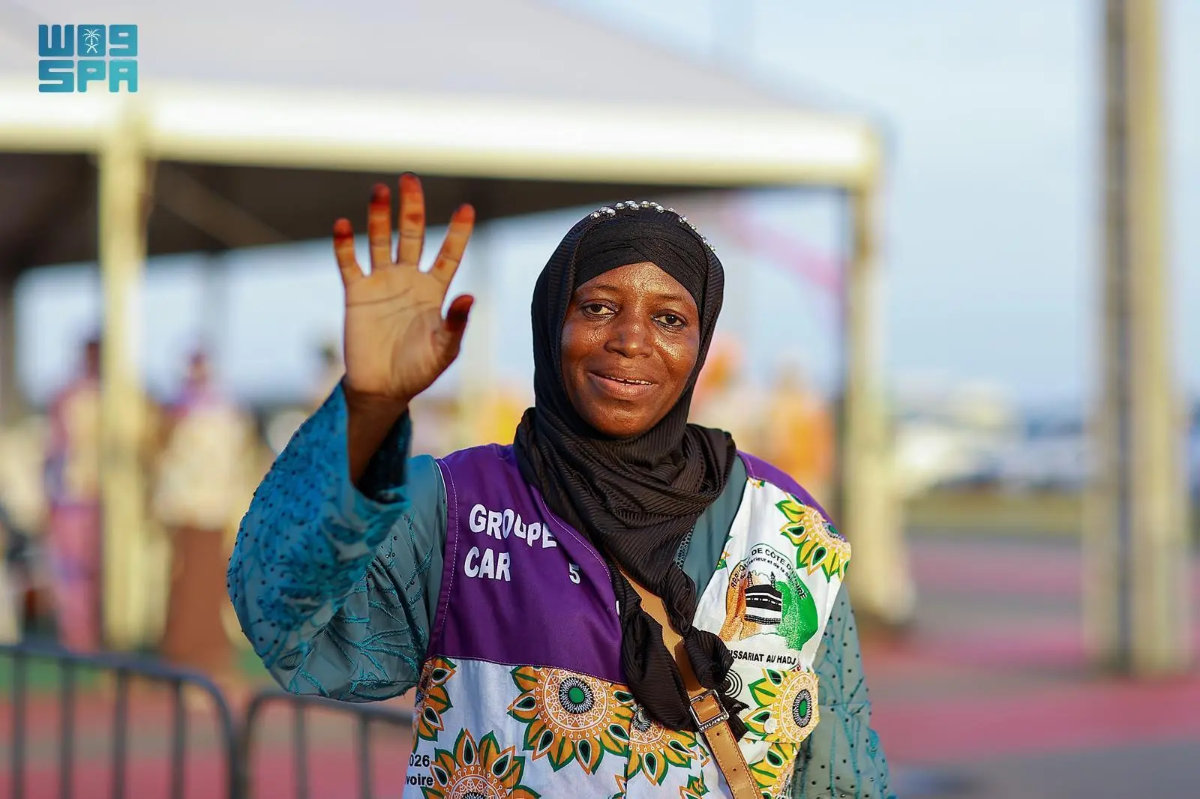
Using her teaching experience to assist travelers — particularly elderly pilgrims — Traore praised the services provided through the Makkah Route Initiative at Felix Houphouet-Boigny International Airport in Abidjan.
She said the dedicated terminal significantly accelerated departure procedures and ensured a smooth transition for pilgrims traveling to the Kingdom.
The “peace and joy on the faces of pilgrims” was the most rewarding part of the mission, she said.
Praise from pilgrims with visual impairments
Meanwhile, Moroccan pilgrims with visual impairments departing from Rabat-Sale Airport expressed gratitude for what they described as compassionate and highly organized assistance provided by Saudi teams participating in the initiative.
Saudi Arabia’s Ministry of Interior implements the initiative in cooperation with several government bodies, including the ministries of foreign affairs, health, Hajj and Umrah, and media, alongside authorities overseeing aviation, customs, data and digital services.
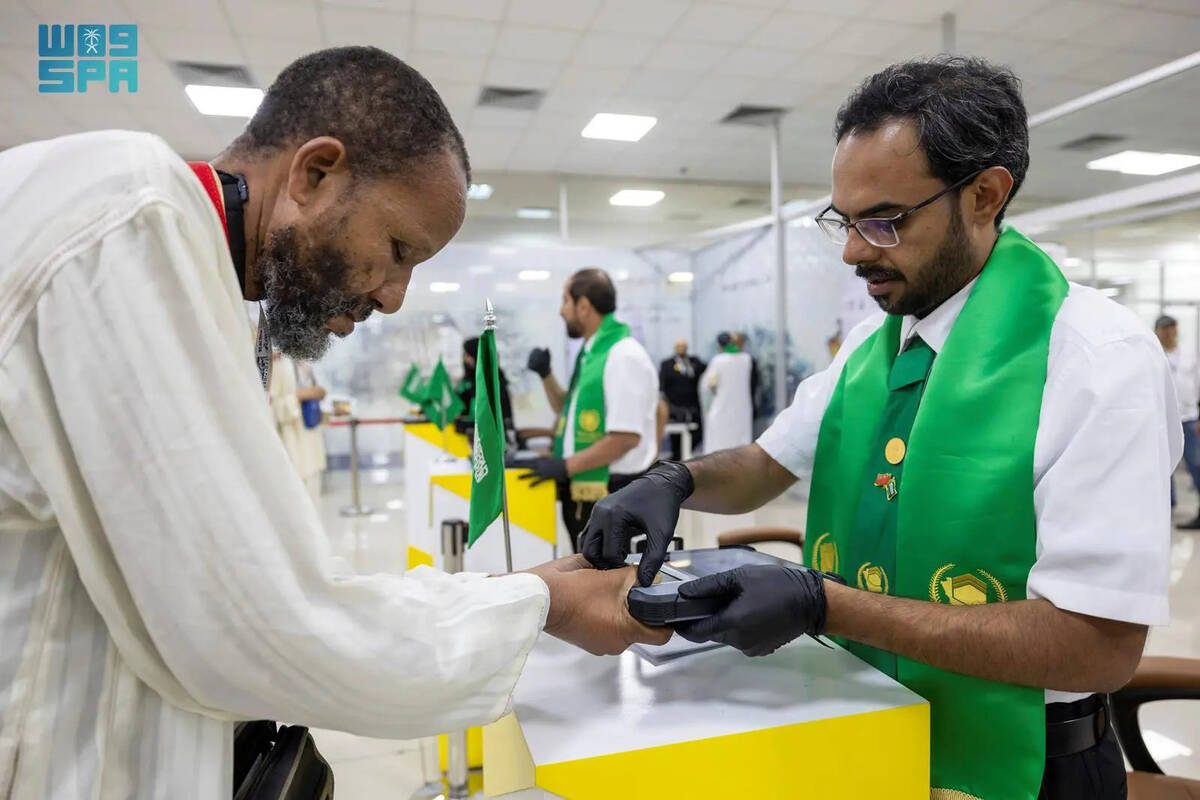
According to the SPA, the initiative has served more than 1.25 million pilgrims since its launch eight years ago.
Preparations for Hajj have intensified after the crescent moon marking the beginning of Dhul Hijjah was sighted on Sunday evening, officially setting the pilgrimage to begin on May 25.
The Day of Arafah — considered the spiritual pinnacle of Hajj, when pilgrims gather on the plains of Mount Arafat in prayer and repentance — will fall on May 26, while Eid Al-Adha will begin the following day.
Hajj, the fifth pillar of Islam, is a once-in-a-lifetime obligation for Muslims who are physically and financially able to undertake the journey.