- Hannah has a gift for blending meticulous historical research with deeply emotional storytelling
Author: Kristin Hannah
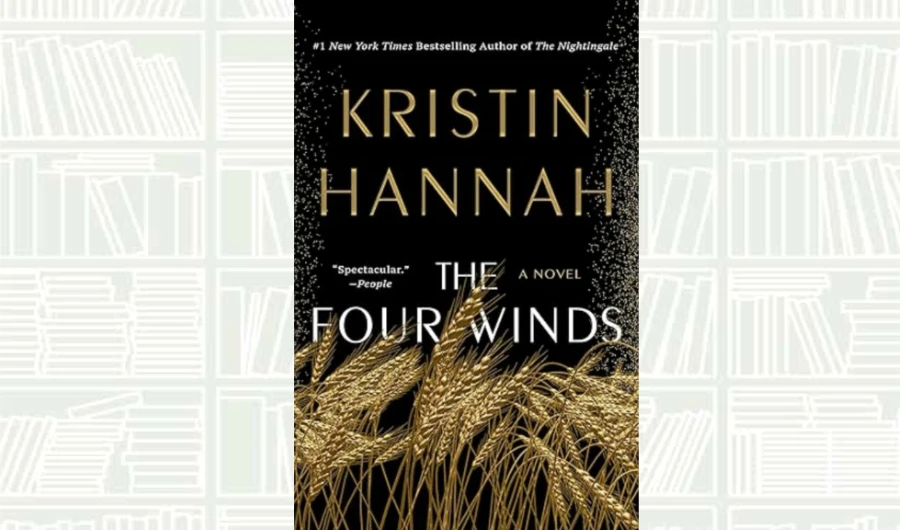
Kristin Hannah’s “The Four Winds” is one of those novels that quietly settles in your mind long after you turn the final page.
Set during the Great Depression and the Dust Bowl of the 1930s, it tells the story of Elsa Martinelli, a woman who has spent much of her life believing she is unworthy of love or happiness.
As drought, poverty and relentless dust storms devastate her family’s farm in Texas, Elsa is forced to make impossible choices to protect her children and search for a better future.
What struck me most was not the historical backdrop, although Hannah paints it vividly enough that I could almost feel the grit of the dust in every chapter. Instead, it was Elsa herself.
She is not introduced as a fearless heroine. She is quiet, uncertain and often overlooked, which makes her transformation all the more compelling. Watching her gradually discover her own strength felt authentic rather than dramatic, making it easy to root for her every step of the way.
Hannah has a gift for blending meticulous historical research with deeply emotional storytelling. The descriptions of the Dust Bowl and the migrant camps in California never feel like history lessons. They serve as a reminder that behind every economic crisis are ordinary people struggling to survive with dignity.
Reading the novel, I found myself thinking about how often history repeats itself, with families still leaving their homes in search of safety and opportunity.
The emotional weight of the novel is undeniable. There were moments that left me angry at the injustices the characters endured and others that brought me close to tears.
Yet “The Four Winds” never feels hopeless. At its heart, it is a story about perseverance, sacrifice and the extraordinary resilience of women who keep moving forward even when the odds seem impossible.
If I had one criticism, it would be that some scenes lean heavily into sentimentality, and the novel occasionally lingers longer than necessary on its tragedies. Even so, the emotional investment pays off because the characters feel so real.
For me, “The Four Winds” was more than a historical fiction novel. It was a reminder that courage is often quiet and that survival itself can be an act of defiance. It is an absorbing, heartfelt read that deserves its place among Kristin Hannah’s most memorable works.