
- UN’s humanitarian office warns critical operations could grind to a halt because of oil shortage, even as overall aid deliveries increase 33% in July
- Shelter supplies also inadequate as aid agencies mostly allowed only to deliver flimsy tents that do not last, even though most of the 2.1m population remains displaced
NEW YORK CITY: Repeated rejections by Israeli authorities of requests to bring engine oil into Gaza threaten to shut down critical operations at hospitals, water-pumping stations and bakeries, the UN’s Office for the Coordination of Humanitarian Affairs warned.
Even though overall aid deliveries increased in July, oil remains in short supply and hundreds of thousands of people are still denied durable shelter equipment.
OCHA said its humanitarian partners are still not receiving enough of the approvals they need to deliver oil and spare parts for engines, which humanitarian operations depend on to keep vehicles and backup generators running.
The insufficient quantities of quality lubricant oil entering the territory through the private sector are not enough to fill the gap in supplies, the office said, leaving hospitals and other essential services at risk of having to reduce or even halt operations.
Shelter supplies remain similarly restricted. OCHA said its humanitarian partners have mostly only been permitted to deliver flimsy tents that do not last long, even though most of the 2.1 million population of Gaza remains displaced and living in poor conditions nearly a year after the ceasefire agreement between Israel and Hamas.
The warnings came even as OCHA reported that the overall volume of aid supplies from the UN and its partners entering Gaza rose by 33 percent in July compared with the previous month, bringing quantities closer to the levels they were at before the war between the US and Israel began at the end of February.
About 60 percent of the shipments in July consisted of food, followed by shelter equipment, water, sanitation materials, hygiene supplies and healthcare items.
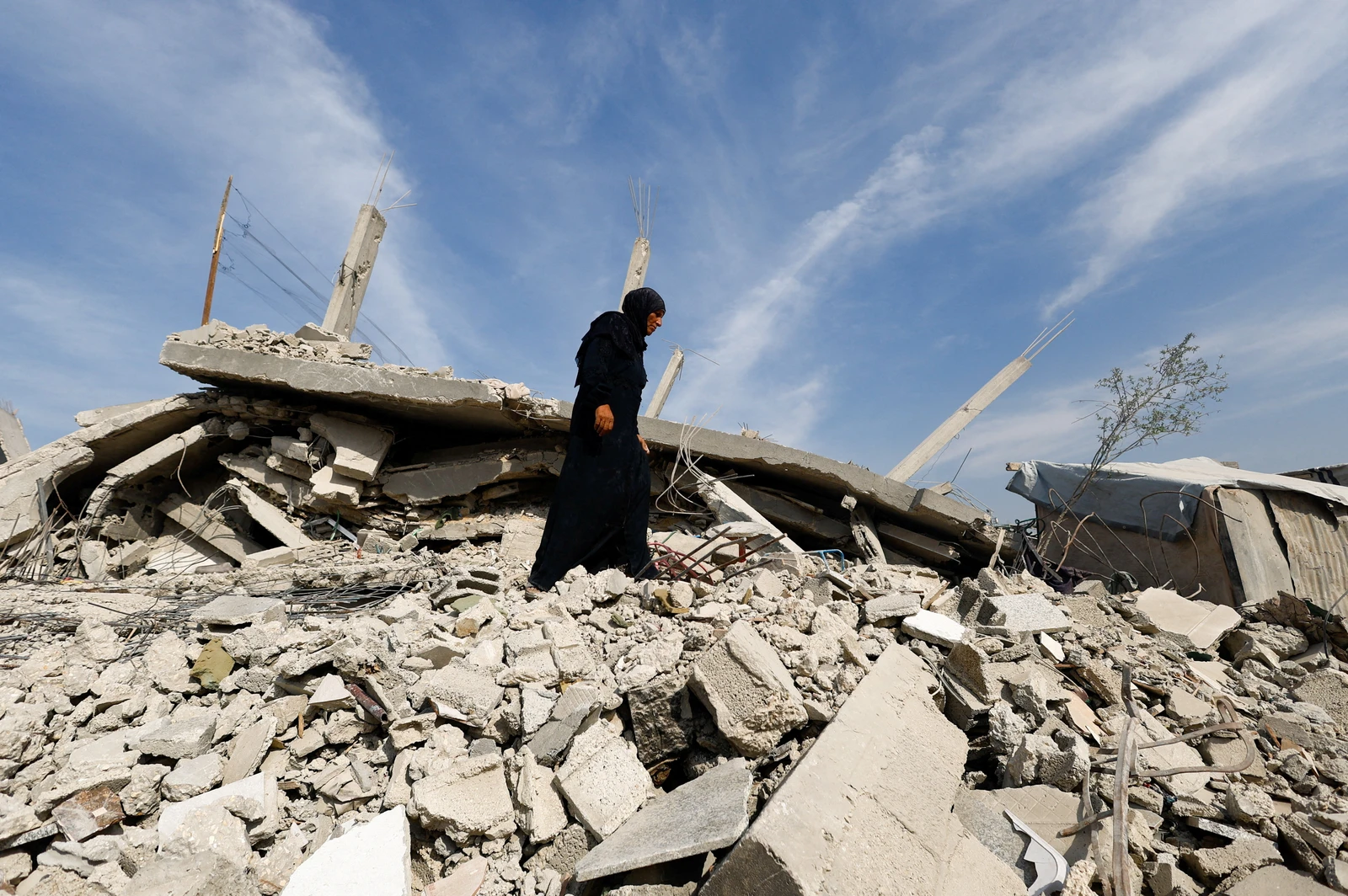
Despite the increase in aid deliveries, the destruction across Gaza continued to mount; the UN found that the number of structures destroyed in the territory has increased by 9 percent since the ceasefire was declared in October 2025.
Overall, OCHA said, about 82 percent of structures in Gaza, about 200,000 in total, are damaged to some degree, two-thirds of which were assessed as having been destroyed.
In the West Bank, meanwhile, humanitarian agencies said Israeli forces took over homes in the Qalandia refugee camp near Jerusalem during a two-day military operation this week, pushing families out and using their properties as interrogation centers.
More than 50 people reportedly were injured during the raid, and humanitarian teams documented widespread damage to homes and businesses, including broken doors, windows and furniture in dozens of buildings where Israeli forces were said to have spent time. Many families also reported significant financial losses, OCHA said.