- New, right-wing Colombian government officially recognizes ‘Israeli sovereignty’ over region captured by Israel in 1967
- Analysts note the move has no effect on legal status of the territory but warn it could set a precedent that encourages others to follow
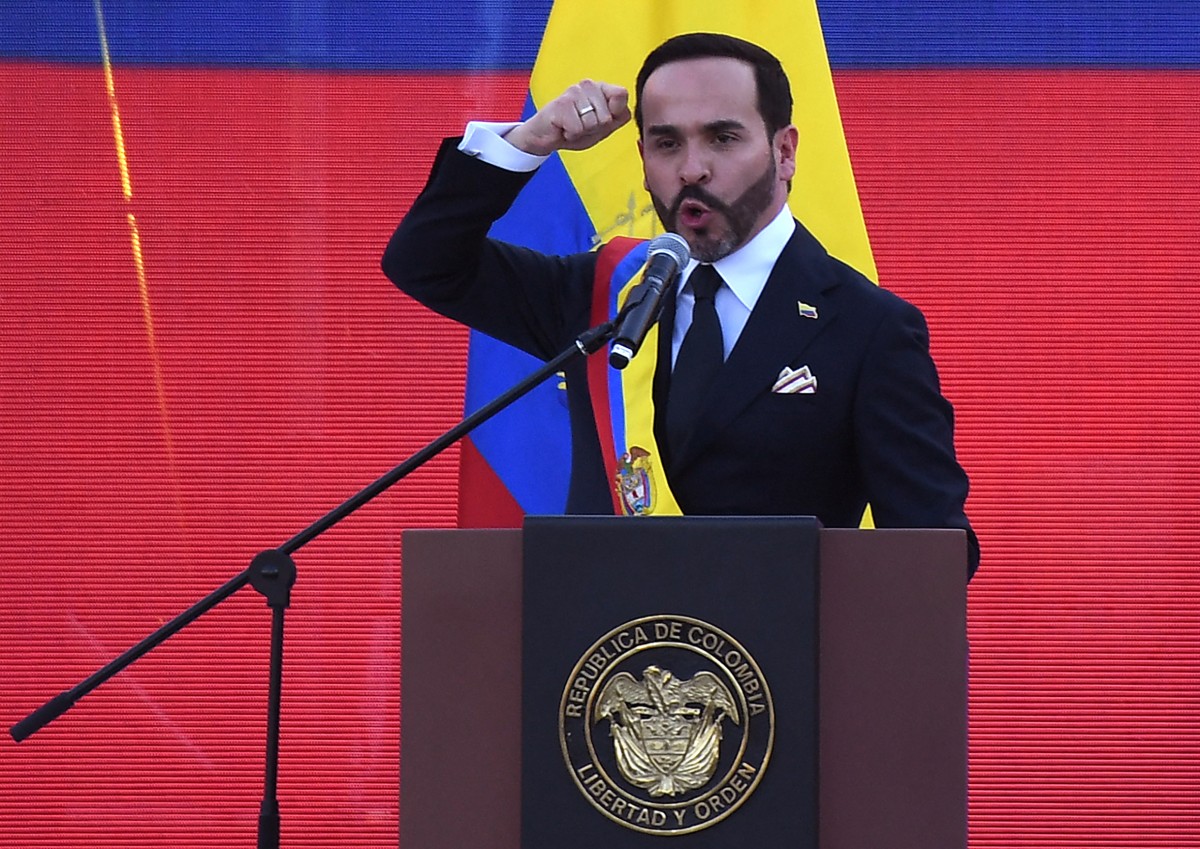
LONDON: Colombia on Monday recognized Israeli sovereignty over the Syrian Arab Republic’s Golan Heights. It is only the second UN member state to do so, after the US officially recognized Israel’s claim in 2019.
The announcement was one of the first major foreign-policy decisions by the country’s new president, Abelardo de la Espriella, after taking office on Friday. It was praised by Israel and drew condemnation from Syria, Saudi Arabia, Egypt and Qatar.
Israel captured the strategic plateau from Syria during the 1967 Arab-Israeli war and later annexed it, a move that is not recognized under international law. While Colombia’s decision does not alter the legal status of the territory, analysts warned that it might potentially set a diplomatic trend.
Samy Akil, senior adviser at online publication The Syria Report, told Arab News that Colombia’s announcement carried greater symbolic value for Israel than practical consequences on the ground.
Still, he added, “in the long term it is significant because it sets a precedent.”
The concern is that diplomatic pressure from the US and Israel could encourage other countries to follow suit, Akil said: “This may be particularly true of small states such as Palau, Micronesia or Nauru, which tend to have shifting policies on the Middle East.”
Nanar Hawach, senior analyst for Syria at International Crisis Group, agreed that Colombia’s decision “changes nothing about the Golan’s legal status but it lowers the cost for the next government that wants to follow.”
He told Arab News: “The weight of Colombia’s recognition lies in whether a pattern forms.”
Hussein Chokr, a Beirut-based policy expert, said the decision raised broader questions about the durability of the international rules intended to prevent territorial conquests. Recognition of sovereignty acquired through military force undermines the principles of territorial integrity and sovereignty that have guided international relations for decades, he warned.
“After decades of building the rules of international relations to reduce conflict and organize political life away from war and chaos — and mainly, above all, the recognition of states’ territorial integrity and sovereignty over their land — some states are now dragging us back into that very chaos,” Chokr told Arab News.
Such actions, he said, risked returning the world to “the law of the jungle” in which weaker states have little to protect them against the aggression of more-powerful neighbors. In such circumstances, UN documents and international recognition of borders might not be sufficient to prevent future attempts to alter territory by force, Chokr said, and a precedent of this kind could be particularly alarming for Lebanon.
He also highlighted the continuing expansion of Israeli settlements in the occupied West Bank as evidence that international agreements have failed to halt material changes on the ground.
If the international order was to shift further in Israel’s favor, he said, other states could eventually cite the Golan as a precedent to justify comparable territorial claims elsewhere.
“The chaos into which Israel is pushing us may place the entire international order at risk,” Chokr said. “Expansionist, colonial Israel is not only a threat to our region, it is a threat to the stability of the international system itself.”
Hawach said Israel’s recent approach toward the territory it has taken in Syria since the fall of the former president, Bashar Assad, in December 2024 could represent the development of elements comparable to its long-standing control over the West Bank.
“We are seeing the beginnings of a West Bank logic, though not yet a West Bank system,” he said.
“Israel is converting military control into an open-ended territorial arrangement through repeated operations, local surveillance and expanding infrastructure, and the comparison would become far stronger the moment civilian settlement or permanent Israeli administration extends beyond the occupied Golan into the territory taken since Assad fell.”
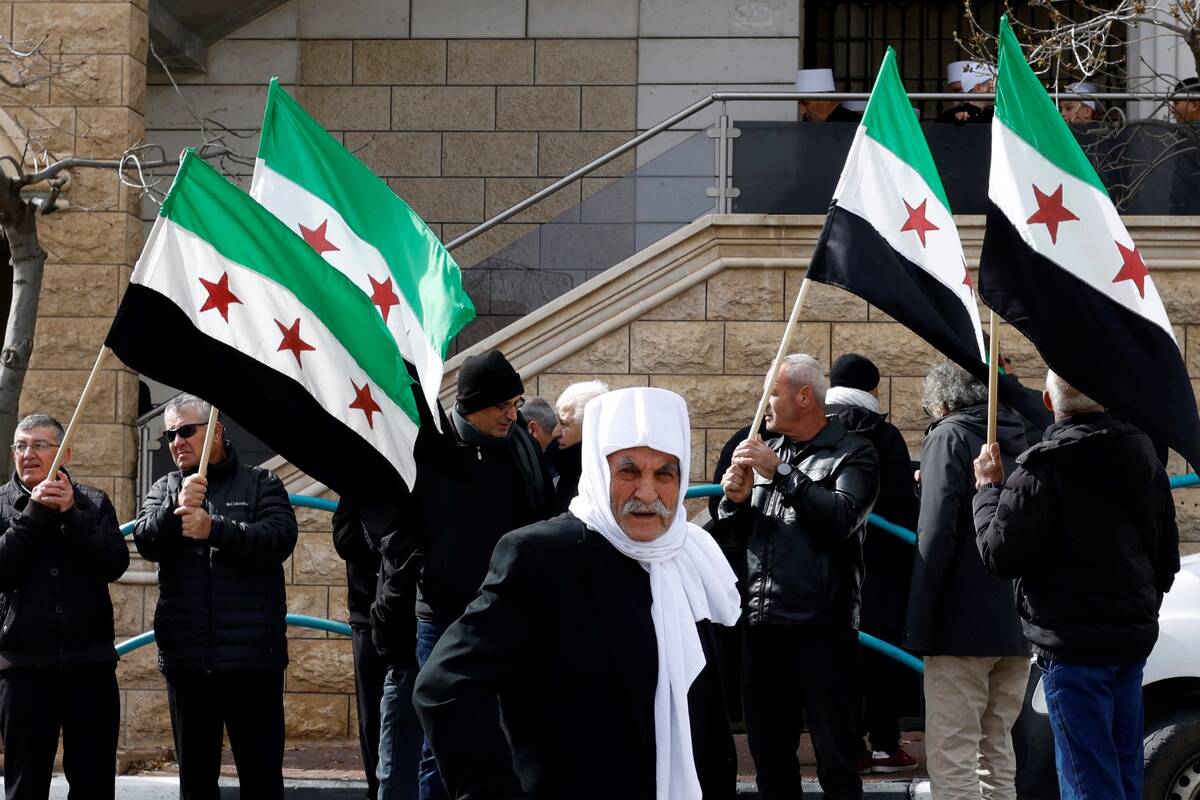
Akil, however, said that a full West Bank-style scenario in the Golan remains unlikely in the near term because the international consensus continues to regard the area as Syrian territory.
He cited recent comments by the UN secretary-general, Antonio Guterres, emphasizing that the Golan Heights remains part of Syria. The announcement by Colombia might therefore have been intended, under Israeli pressure, to counter that narrative, he said.
On Tuesday, Syria condemned Colombia’s recognition of Israeli sovereignty as a violation of international law and UN resolutions. Saudi Arabia issued a similar rebuke, warning that the move contravened international law and relevant UN decisions.
Harout Ekmanian, a public international law attorney in New York who specializes in cross-border disputes and international arbitration, said the Golan Heights continue to be considered occupied Syrian territory under the principles of international law.
“The acquisition of territory by force is prohibited under Article 2(4) of the UN Charter,” he told Arab News. This principle is reinforced by the long-standing prohibition on the acquisition of territory through war, he added, as stated in Security Council resolutions, including resolutions 242 (1967) and 497 (1981).
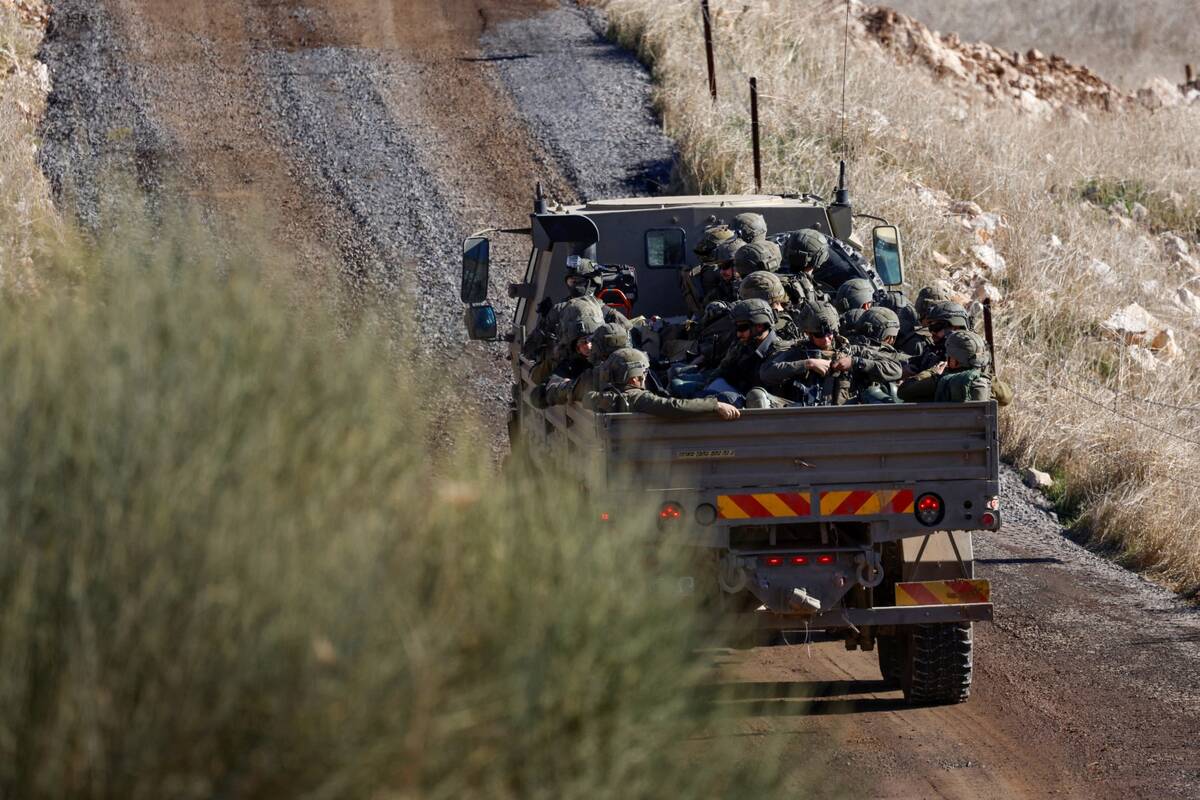
Still, recognition by individual states of Israeli sovereignty of the Golan Heights raises concerns not only about the prohibition of the use of force and the principle of territorial integrity, but also about the “duty of nonrecognition,” Ekmanian said.
Article 41(2) of the International Law Commission’s Articles on State Responsibility requires that states do not recognize as lawful any territorial situation created by a serious breach of a peremptory norm of international law, he explained.
While reiterating that such recognition by an individual state “does not alter the legal status of the territory under international law,” Ekmanian warned: “Any departure from these principles risks weakening legal rules intended to apply universally, regardless of the state or conflict involved.”
Ultimately, Akil said, the future of the Golan will depend on negotiations, security arrangements and the progress of talks between Tel Aviv and Damascus.
“The status of the Golan Heights will not necessarily be settled in those talks but they could lay the foundation for a future framework to resolve it,” he added.