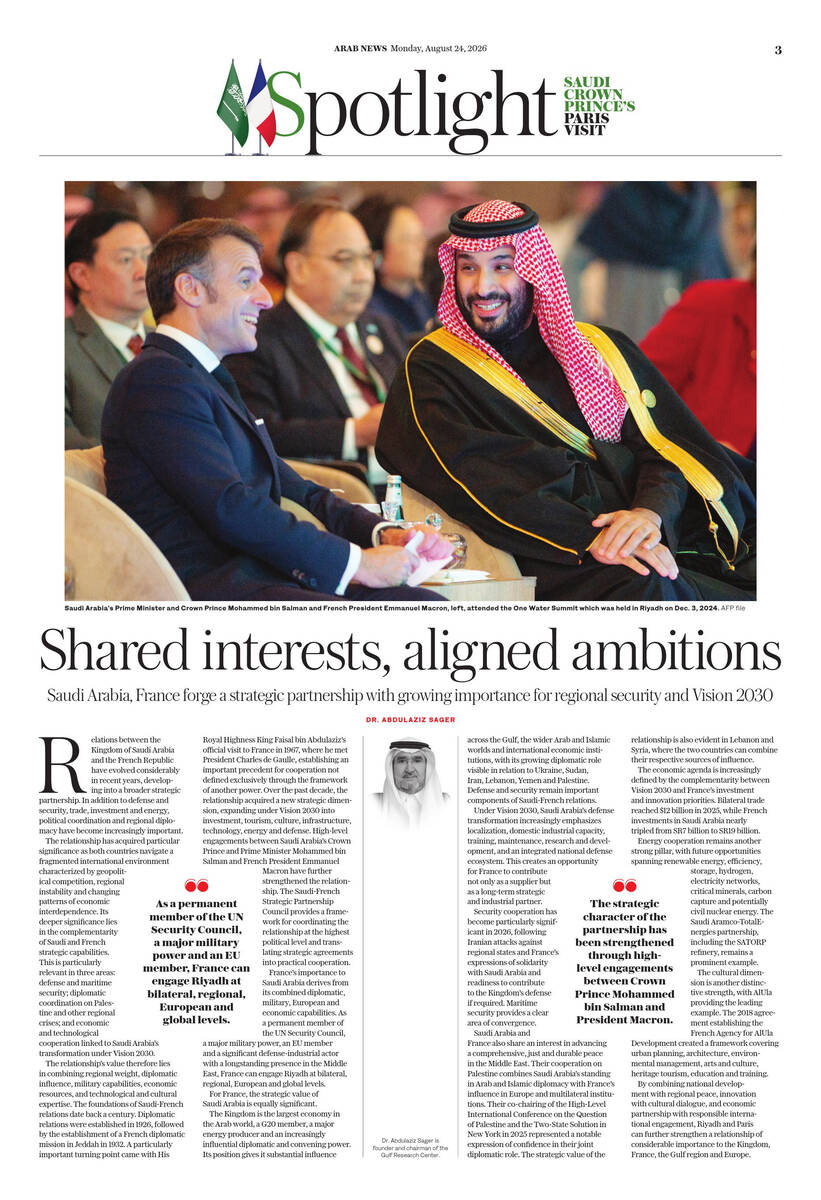
Relations between the Kingdom of Saudi Arabia and the French Republic have evolved considerably in recent years, developing into a broader strategic partnership. In addition to defense and security, trade, investment, and energy, political coordination and regional diplomacy have become increasingly important.
The relationship has acquired particular significance as both countries navigate a fragmented international environment characterized by geopolitical competition, regional instability, and changing patterns of economic interdependence.
The deeper significance of the relationship lies in the complementarity of Saudi and French strategic capabilities. The central question is no longer whether Saudi Arabia and France have developed a strategic partnership; they clearly have. The more important question is how this partnership can evolve.
Historical foundations
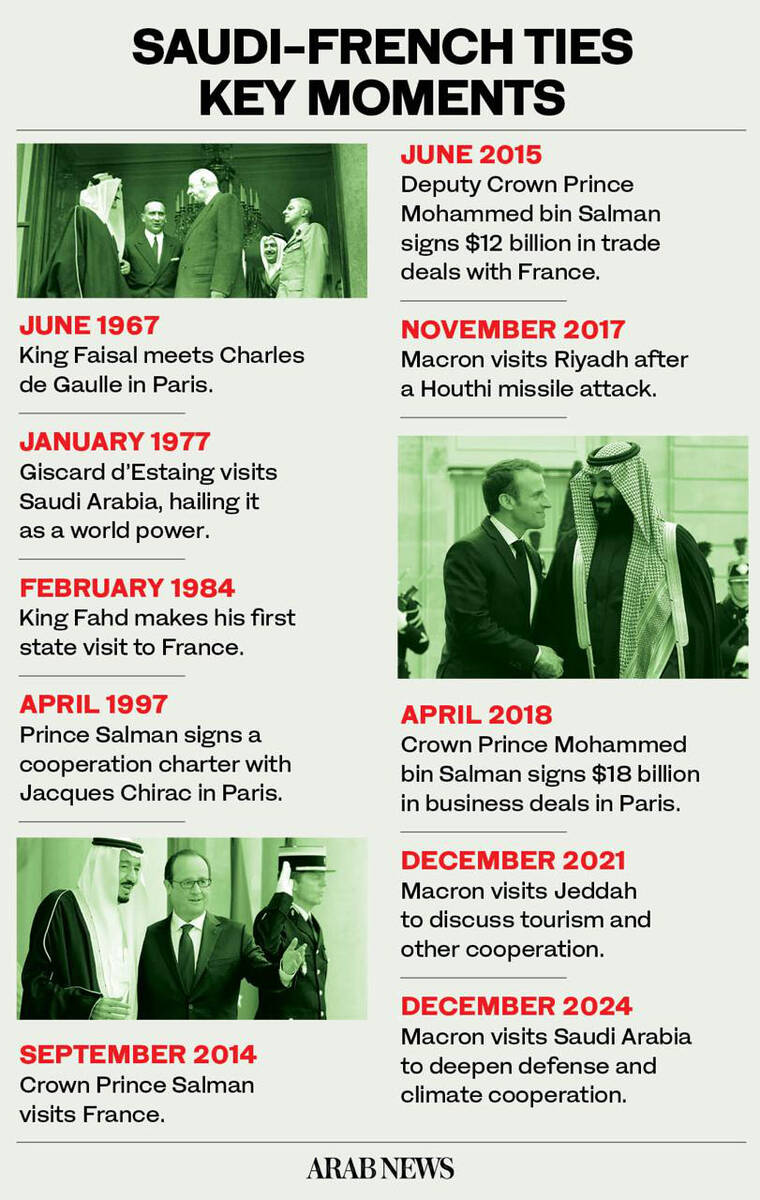
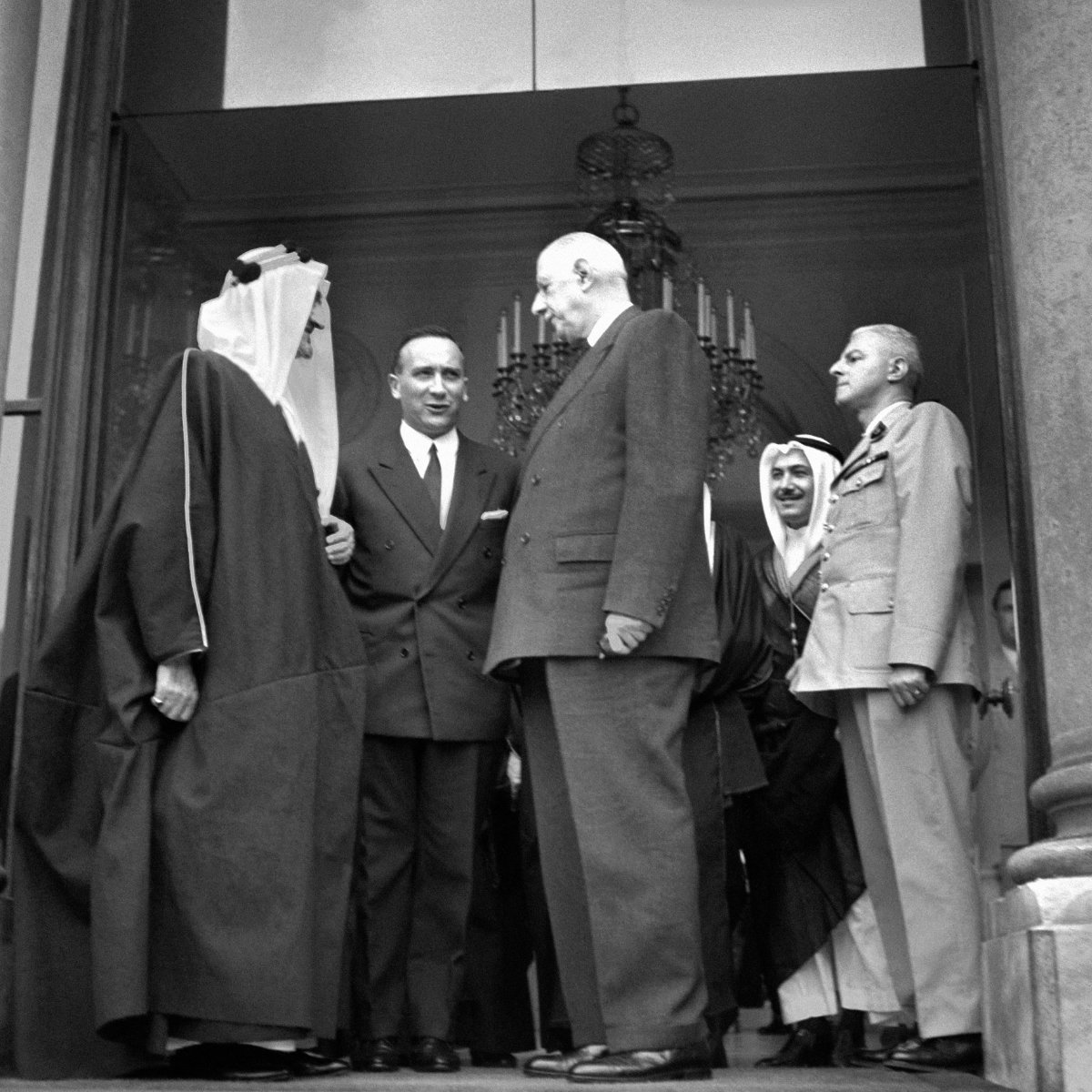
The foundations of Saudi-French relations date back a century. Diplomatic relations were established in 1926, when France appointed its first consul to the Kingdom, followed by the establishment of a French diplomatic mission in Jeddah in 1932. A particularly important turning point came with His Royal Highness King Faisal bin Abdulaziz’s official visit to France in 1967, where he met President Charles de Gaulle, establishing an important precedent for cooperation that was not defined exclusively through the framework of another power.
The relationship was subsequently reinforced through high-level visits and institutional exchanges, including HRH King Salman bin Abdulaziz Al Saud’s 1997 visit to France, during which he signed an agreement establishing cooperation and friendship between Riyadh and Paris. These initiatives contributed to a relationship in which cultural cooperation complemented state-to-state diplomacy.
Over the past decade, the relationship acquired a new strategic dimension, expanding under Vision 2030 into investment, tourism, culture, infrastructure, technology, energy, and defense. The strategic character of the partnership was strengthened through high-level engagements between Saudi Arabia’s Crown Prince and Prime Minister Mohammed bin Salman and French President Emmanuel Macron. As a result, bilateral ties have become less dependent on a single strategic issue and more deeply rooted across multiple sectors.
As a permanent member of the UN Security Council, a major military power, an EU member, and a significant defense-industrial actor, France can engage Riyadh at bilateral, regional, European and global levels.
Dr. Abdulaziz Sager
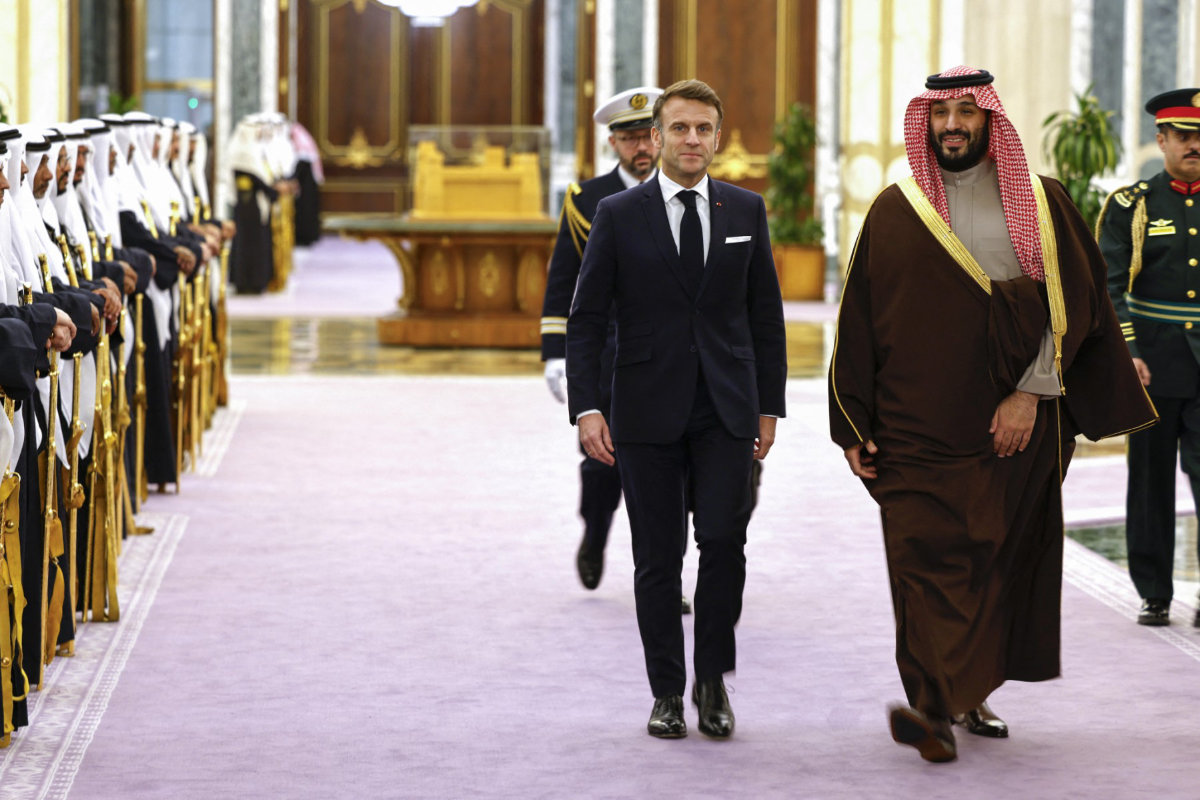
The Saudi-French Strategic Partnership Council, agreed to during President Macron’s December 2024 state visit to Saudi Arabia, further provides a framework for coordinating the relationship at the highest political level and translating strategic agreements into practical cooperation. The historical evolution therefore reveals an important pattern: Saudi-French relations have expanded horizontally across sectors while becoming simultaneously deeper in strategic terms.
The strategic importance
France’s importance to Saudi Arabia derives from its combined diplomatic, military, European, and economic capabilities. As a permanent member of the UN Security Council, a major military power, an EU member, and a significant defense-industrial actor with a longstanding presence in the Middle East, France can engage Riyadh at bilateral, regional, European, and global levels. This multidimensional role gives Saudi Arabia access to a partner capable of addressing defense and economic matters, participating in European discussions concerning the Gulf, exercising diplomatic influence through the UN Security Council, and supporting regional security objectives.
For France, the strategic value of Saudi Arabia is equally significant. The Kingdom is the largest economy in the Arab world, a G20 member, a major energy producer, and an increasingly influential diplomatic and convening power. Its position gives it substantial influence across the Gulf, the wider Arab and Islamic worlds, and international economic institutions, while its growing diplomatic role has been visible in relation to the crises in Ukraine, Sudan, Iran, Lebanon, Yemen, and Palestine. Saudi Arabia is therefore valuable to France not simply as a bilateral partner but as a regional and international actor capable of translating diplomatic initiatives into broader regional support.
Defense and security
Defense and security have long been among the most important components of Saudi-French relations, encompassing military equipment, training, security, and the development of the Kingdom’s land, naval, and air capabilities. Under Vision 2030, Saudi Arabia’s defense transformation has increasingly emphasized localization, domestic industrial capacity, training, maintenance, research and development, and an integrated national defense ecosystem.
This creates an opportunity for France to contribute not only as a supplier but as a long-term strategic and industrial partner through procurement, training, maintenance, operational readiness, exercises, interoperability, technology transfer, joint production, and research and development. The December 2023 executive plan between the two defense departments, followed by renewed commitments to expand cooperation in 2024, reflects the objective of making French and Saudi defense capabilities increasingly complementary rather than simply transactional.
Security cooperation has become particularly significant in 2026, following Iranian attacks against regional states and France’s repeated expressions of solidarity with Saudi Arabia and readiness to contribute to the Kingdom’s defense if required. Maritime security provides one of the clearest areas of convergence: Saudi Arabia has a direct interest in the security of the Gulf and the Red Sea, while France has naval capabilities, regional experience, European responsibilities, and an interest in safeguarding international navigation.
Cooperation through EMASoH, Operation AGENOR, and the EU’s EUNAVFOR ASPIDES operation demonstrates that maritime security has become a practical area of partnership, extending beyond naval exercises to maritime awareness, surveillance, intelligence-sharing, protection of critical infrastructure, mine countermeasures, search and rescue, port security, logistics, training, and interoperability. Thus, Saudi Arabia’s interest in secure Gulf and Red Sea routes complements France’s naval capabilities, European responsibilities, and commitment to freedom of navigation, creating opportunities for deeper coordination in maritime awareness, infrastructure protection, and regional stability.
Cooperation on Palestine
Saudi Arabia and France share an interest in advancing a comprehensive, just, and durable peace in the Middle East. Their cooperation on the Palestine issue combines Saudi Arabia’s standing in Arab and Islamic diplomacy with France’s influence in Europe and multilateral institutions. Both countries have emphasized the protection of civilians, humanitarian assistance, support for legitimate Palestinian institutions, and a two-state solution in accordance with international law and relevant UN resolutions.
Their co-chairing of the High-Level International Conference for the Peaceful Settlement of the Question of Palestine and the Implementation of the Two-State Solution, held in New York in July 2025 and resumed at the leaders’ level in September, represented a notable expression of international confidence in their joint diplomatic role.
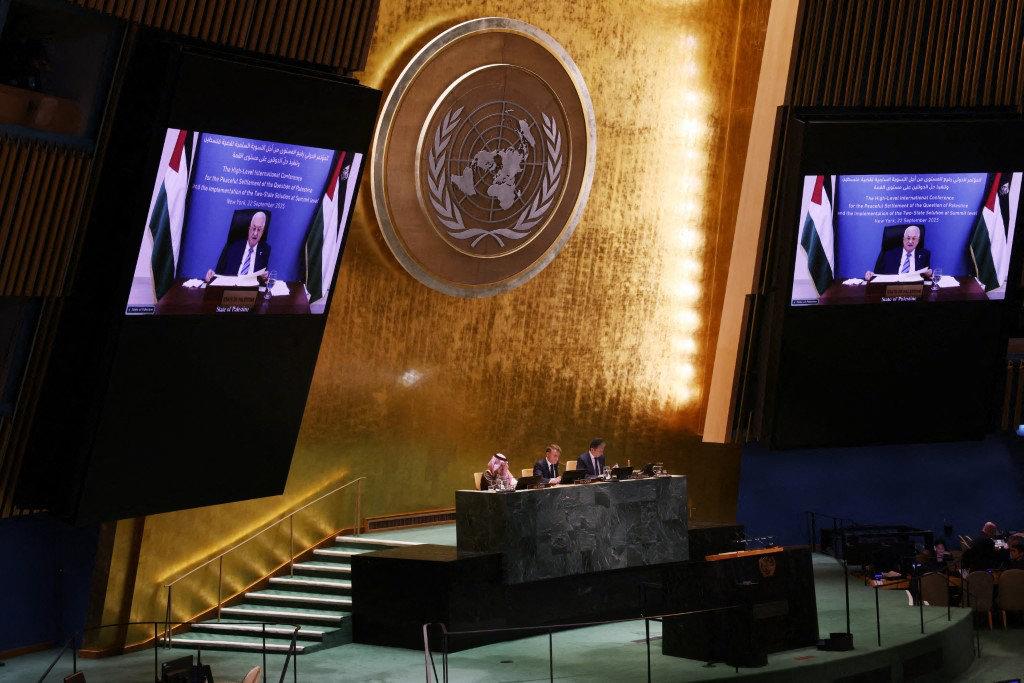
he resulting New York Declaration addressed ending the Gaza war, expanding humanitarian assistance, supporting reconstruction, strengthening Palestinian institutions, preserving the two-state solution, and preparing the ground for regional integration based on peace and mutual recognition.
The strategic value of the relationship is also evident in Lebanon and Syria, where the two countries can combine their respective sources of influence. Lebanon represents a longstanding area of French diplomatic engagement and an issue that is important to Saudi Arabia; both countries have supported the sovereignty and territorial integrity of the Lebanese state and the strengthening of its institutions. In Syria, Saudi Arabia and France likewise have complementary interests in supporting stability, sovereignty, and a political process, while addressing humanitarian and regional security concerns.
These cases reinforce a broader point: Saudi-French cooperation is most effective when the two countries do not attempt to replicate each other’s roles but instead combine their respective diplomatic, political, and regional influence. Saudi Arabia can contribute regional legitimacy and access, while France can mobilize European and multilateral support, allowing both countries to develop more coordinated approaches to peace and regional stability.
Investment innovation
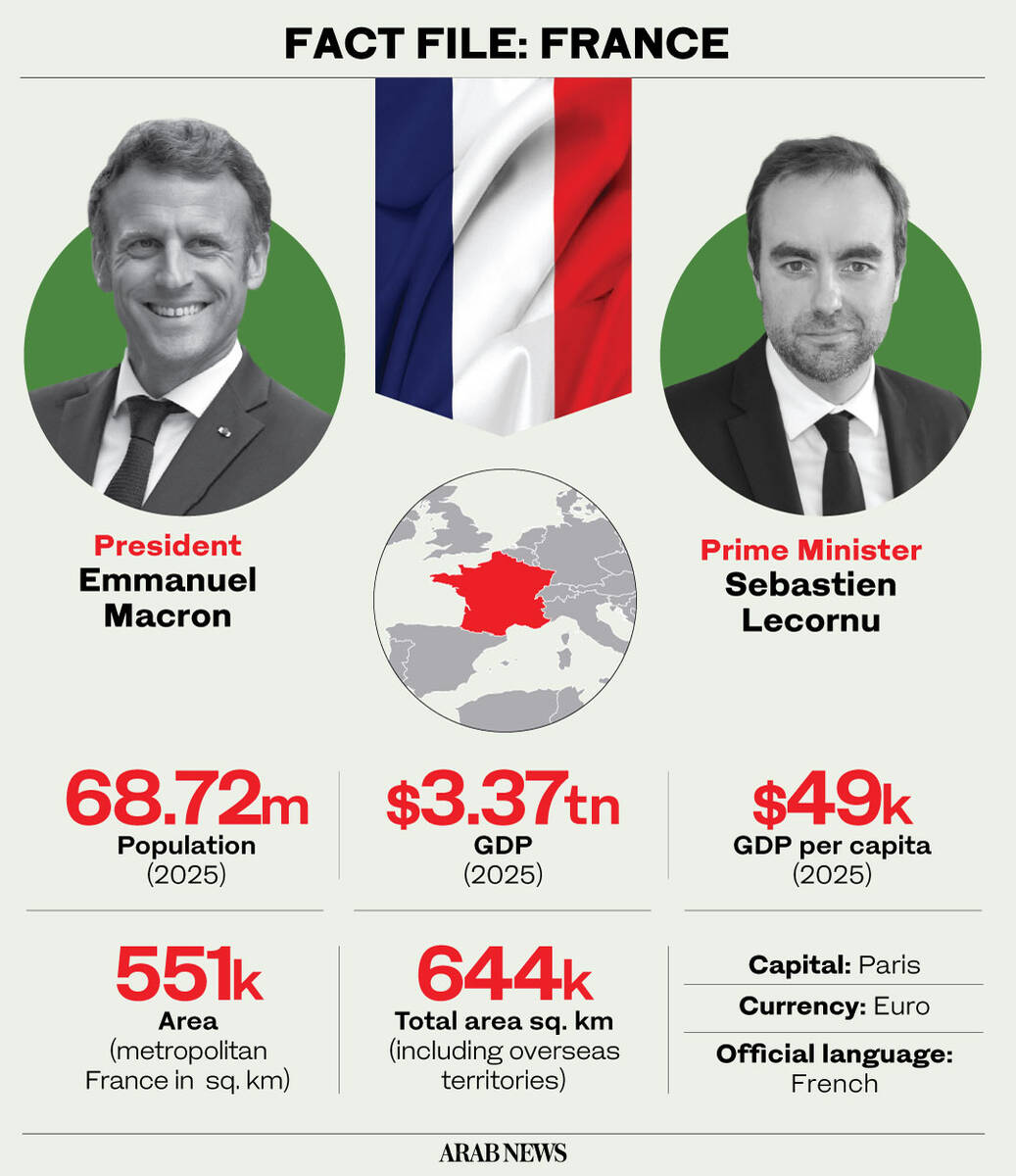
The Saudi-French economic agenda is increasingly defined by the complementarity between Vision 2030 and France’s investment and innovation priorities. Saudi Arabia is developing new sectors, strengthening its industrial base, expanding its tourism and cultural economy, improving the investment environment, and investing in technology and human capital. France can contribute specialized experience, while Saudi Arabia offers French companies and institutions access to one of the world’s most ambitious development environments.
The Saudi-French Investment Forum held in Riyadh in December 2024 demonstrated the breadth of this agenda, bringing together more than 800 participants and generating contracts, agreements, and memoranda across multiple sectors. Bilateral trade reached $12 billion in 2025, while French investments in Saudi Arabia nearly tripled from SR7 billion to SR19 billion. This creates opportunities for Saudi Arabia to strengthen domestic capabilities and for France to establish long-term commercial positions.
Lebanon represents a longstanding area of French diplomatic engagement and an issue that is important to Saudi Arabia.
Dr. Abdulaziz Sager
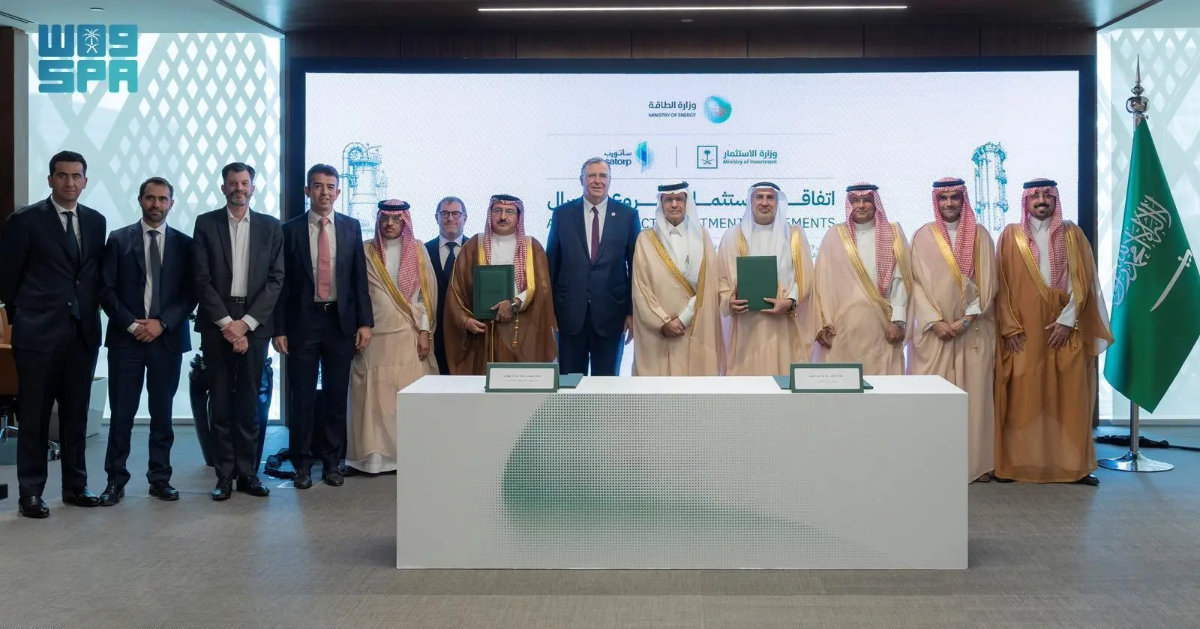
Energy cooperation remains another strong pillar of Saudi-French relations, reflecting Saudi Arabia’s importance in global energy markets and France’s technical capabilities in energy systems, industrial engineering, and low-carbon technologies. While cooperation historically focused on hydrocarbons, refining, petrochemicals, and electricity, the future relationship is likely to encompass renewable energy, energy efficiency, storage, hydrogen, electricity networks, critical minerals, carbon capture, and potentially civil nuclear energy. The Saudi Aramco-TotalEnergies partnership, including the SATORP refinery, remains a prominent example.
The partnership also extends to resilient supply chains, technology localization, research, training, artificial intelligence in energy planning, and space technology, with France’s CNES and broader aerospace ecosystem complementing Saudi Arabia’s growing capabilities. Together, these areas integrate investment with industrial localization and innovation while supporting secure access to critical inputs.
The cultural dimension is one of the most visible and distinctive strengths of Saudi-French relations, with the AlUla partnership providing the leading example. The 2018 intergovernmental agreement establishing the French Agency for AlUla Development (AFALULA) created a framework for cooperation in urban planning and architecture, environmental management, arts and culture, heritage tourism, education and training, and security.
The establishment of Villa Hegra has further deepened this shared cultural vision by connecting Saudi and French artists, researchers, architects, students, and cultural professionals. More broadly, cooperation in museums, archaeology, visual arts, film, education, research, and tourism demonstrates how the partnership can support Saudi Arabia’s transformation while strengthening cultural dialogue and international understanding. AlUla links heritage with sustainable development, creative industries, education, and the Kingdom’s emergence as a global cultural destination.
Conclusions
Saudi-French relations have strong historical foundations and an increasingly comprehensive strategic agenda. Their importance lies in the combination of political dialogue, economic complementarity, technological cooperation, defense and maritime engagement, and shared interest in regional and international stability.
The relationship builds on decades of trust while responding to the opportunities and challenges of a changing international environment. Saudi-French relations are therefore positioned to continue reaching promising horizons. By combining national development with regional peace, innovation with cultural dialogue, and economic partnership with responsible international engagement, Riyadh and Paris can further strengthen a relationship that is already of considerable importance to the Kingdom and France, as well as the broader Gulf region, and Europe.
• Dr. Abdulaziz Sager is founder and chairman of the Gulf Research Center.